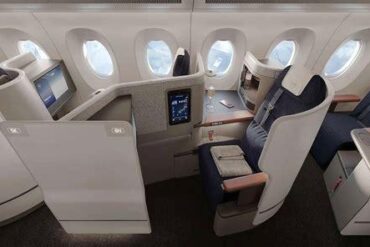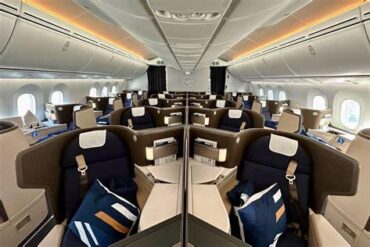
Lufthansa Allegris Business Class arrived after years of technical wrestling, certification bottlenecks, and the kind of corporate patience usually reserved for cathedral-building. The result is not just a seat refresh but a philosophical pivot. Long-haul business class is no longer a uniform product handed out in identical rectangles. It becomes a menu of personal environments at cruising altitude, each tuned to different bodies, travel styles, and rhythms of work and rest. This shift matters because most airline cabins still treat human variety as a rounding error. Allegris treats it as the design brief.
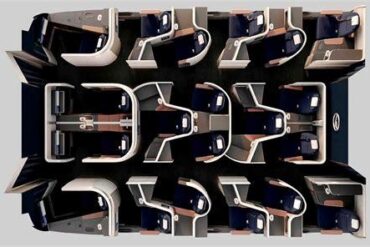
For transatlantic and transpacific travelers, the benefit is immediate. Every passenger gains direct aisle access, ending the awkward choreography of stepping over sleeping neighbors. The cabin abandons the old 2-2-2 layout in favor of a modern 1-2-1 and, in select rows, a striking 1-1-1 pattern that turns the nose of the aircraft into a small constellation of private sanctuaries. The psychological effect is subtle but real. The cabin feels calmer because personal space is respected by geometry, not negotiated by politeness.
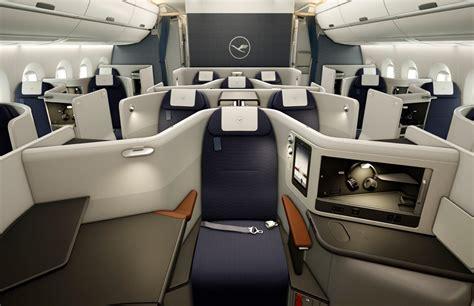
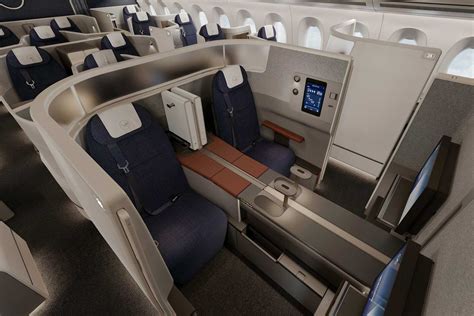
The investment behind this shift is vast, with more than €2.5 billion poured into hardware, engineering, and certification. That money shows up in details that quietly change the long-haul experience. A 27-inch 4K monitor dominates the visual field in the front-row suites, turning the seat into a private cinema with actual cinematic scale. Storage is abundant and intelligently placed, reducing the in-flight scavenger hunt for headphones, glasses, and documents. Power outlets and USB-C ports are positioned where hands naturally rest, not where engineers happened to have spare wiring channels. The cabin is less a row of chairs and more a collection of compact studios, each with its own personality.
Three paragraphs in, the design philosophy becomes clearer. Allegris is not trying to be one perfect seat for everyone. It is trying to be several very good seats for different kinds of people. The frequent flyer who works across time zones wants a workstation that behaves like a small office. The overnight sleeper wants a bed that respects side-sleeping anatomy. The couple wants proximity without claustrophobia. The nervous flyer wants walls that imply shelter. This is the first business class cabin built as a system of choices rather than a single compromise.
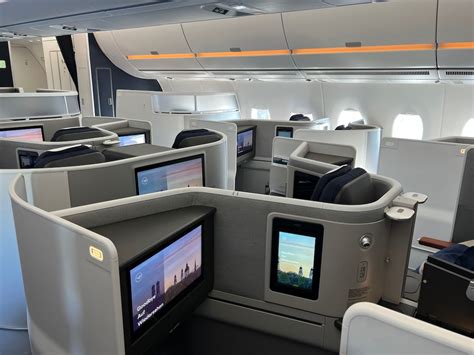
Inside the Allegris Cabin: Engineering Comfort at 35,000 Feet
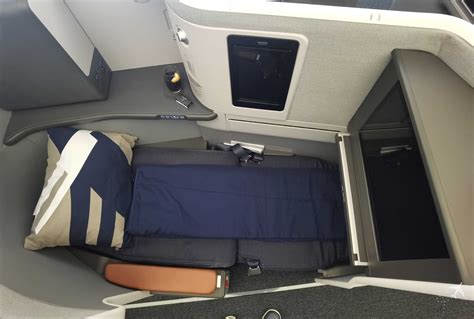
The headline benefit of Lufthansa Allegris Business Class is the way engineering meets ergonomics with unusual seriousness. The seat’s shoulder sink-in technology sounds like a marketing flourish until you try to sleep on your side at altitude. Traditional business class seats flatten into beds that ignore shoulder geometry, forcing side-sleepers into a slow negotiation with numbness. Allegris integrates a contoured recess that allows the shoulder to settle into the mattress surface, aligning the spine more naturally. The effect is small but cumulative, turning fragmented naps into something closer to real sleep on long overnight sectors.
The cabin introduces the world’s first seat heating and cooling system in business class. This is not a gimmick. Aircraft cabins are thermal compromises, with temperature set for the average metabolism of a few hundred people. Individual climate control lets a passenger tune micro-comfort without lobbying the crew or wrapping up like a polar explorer. Over a ten-hour flight, thermal comfort influences hydration, sleep quality, and even patience. The ability to fine-tune warmth or coolness quietly reduces the cognitive load of travel, freeing attention for work, rest, or simply staring out at the curvature of Earth like a reflective primate in a pressurized tube.
Visual ergonomics matter too. The 4K monitor is not merely larger; it is sharper at close viewing distances, reducing eye strain during long sessions of film, presentations, or map-staring. The cabin lighting system uses layered illumination that shifts through circadian-friendly tones, easing the biological whiplash of crossing time zones. Storage compartments are shaped to hold actual travel clutter rather than abstract objects imagined by designers who apparently never fly with chargers, notebooks, and noise-canceling headphones all at once. These details accumulate into a sense that the cabin was designed by people who studied how humans actually behave when locked in a metal cylinder for half a day.
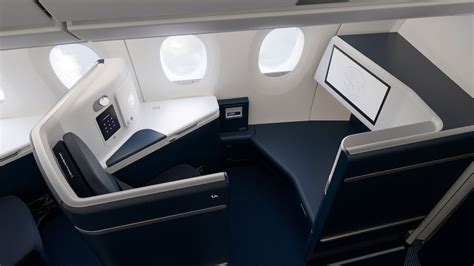
The quiet benefit is psychological sovereignty. Sliding doors in the front-row suites transform the social contract of business class. The cabin remains communal, but the personal boundary is clearer. That boundary changes how people move, speak, and settle. Privacy reduces social friction. Reduced friction lowers stress. Lower stress improves the entire arc of the journey, from boarding to arrival, especially for travelers who step off the aircraft into negotiations, meetings, or family reunions that carry emotional weight.
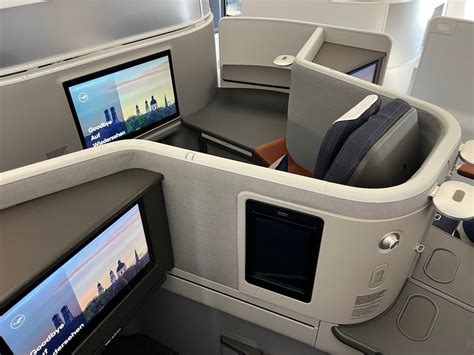
Seven Seat Types, Seven Travel Philosophies
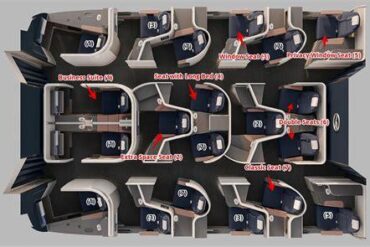
The Allegris cabin is an ecosystem of seven distinct seat types, each with different geometry, privacy levels, and spatial economics. This is where the product becomes genuinely new. Business class has historically been a single promise delivered in many rows. Allegris turns that promise into a set of options that map onto different travel intentions.
Front-row suites are the theatrical stars. Chest-high walls and sliding doors create a first class lite experience with a sense of enclosure rare in business class. A personal minibar and generous storage shift the seat from temporary perch to private domain. These suites reward travelers who want to disappear into their own orbit for twelve hours, working in silence or watching films with the mild decadence of being alone with a very large screen.
Privacy seats extend the sense of seclusion down the cabin, using staggered positioning and higher shells to shield sightlines. Extra-long bed seats stretch to 2.2 meters, a small miracle for tall travelers accustomed to negotiating footwell geometry like a game of Tetris with bones. Extra-space seats widen the personal footprint for productivity, trading some privacy for room to spread documents, devices, and thoughts. Double seats allow companions to share proximity without performing the shoulder-to-shoulder ballet of older layouts. Classic seats offer the baseline experience, still modern, still direct aisle access, but without the headline luxuries that turn heads in marketing photos.
This diversity is not abstract. Aircraft type shapes the experience. The Airbus A350-900, with its wider fuselage, makes the front-row center suites feel more expansive, while the Boeing 787-9 brings a slightly tighter geometry that nonetheless benefits from higher humidity and lower cabin altitude. The same seat type can feel subtly different across airframes, reminding travelers that comfort is a three-way negotiation between seat design, cabin volume, and pressurization philosophy.
The benefit of choice carries a cognitive tax. Booking Allegris is not a passive act. The cabin rewards those who study the deck plan and understand which seat aligns with their priorities. That learning curve is the price of personalization. For frequent flyers, the payoff is a seat that feels chosen rather than assigned, a small but meaningful shift in agency that changes how the journey feels before it even begins.
Personal Space as a Revenue Model, and Why That Still Helps You
Allegris does something culturally provocative in aviation. It unbundles business class itself. The product is no longer one thing with minor seat variations. It is a set of attributes with different price tags. Extra privacy, extra length, extra space, and suite access can carry seat selection fees that climb into the hundreds of dollars per segment. This has stirred predictable grumbling, yet the model produces a real benefit for travelers who care deeply about specific aspects of comfort.
The old system forced everyone into the same compromise. The new system allows someone who values sleep above all else to invest in an extra-long bed, while a road warrior who needs desk-like space can prioritize an extra-space seat. The airline monetizes preferences. The passenger gains the ability to express those preferences in metal and foam rather than hope the generic seat happens to align with their body and schedule.
Loyalty status in the Miles & More program tilts the equation. Elite members often receive preferential access to premium seats, reducing or eliminating surcharges. This creates a feedback loop where frequent travelers feel tangibly rewarded, not just with lounge access but with physical comfort that compounds over hundreds of hours in the air. For occasional travelers, the calculus is sharper. Paying for a premium business class fare and then paying again for the best seats can sting. Yet the baseline Allegris seat remains a significant upgrade over legacy configurations, delivering direct aisle access, modern ergonomics, and updated tech without additional fees.
The editorial truth is that this model mirrors broader shifts in premium travel. Airlines are learning to price personal space with surgical precision. The benefit to passengers is that the cabin now contains genuinely differentiated experiences. The risk is complexity. The reward is fit. In a world where time zones chew on human circadian rhythms like a bored cat on houseplants, fit is not a luxury. It is survival.
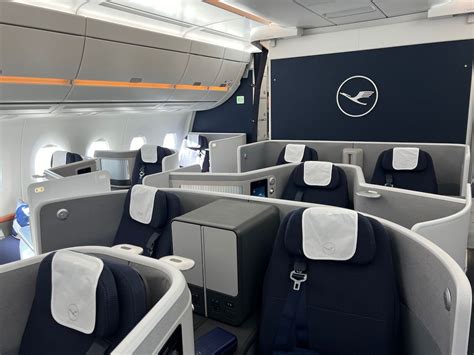
How Allegris Stacks Up Against Europe’s Heavyweights
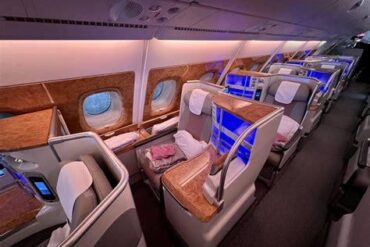
Europe’s premium cabins have entered a competitive renaissance, and Allegris steps into a ring already occupied by refined contenders. Air France has leaned into uniform elegance with its latest business class suites, offering sliding doors across the cabin and a consistent 1-2-1 layout. The experience is fashion-forward, cohesive, and theatrically private. What it lacks is the micro-engineered ergonomics of Allegris. The French product prioritizes aesthetic harmony and privacy as default virtues. Lufthansa’s product prioritizes customization and physiological comfort, even if the cabin feels less uniform as a result.
ITA Airways, now orbiting within the Lufthansa Group’s gravitational field, offers a boutique experience with striking blue-leather interiors on its Airbus A330neo and A350-900 fleet. The service culture feels warmer and more personal, and the Super Diamond seat is widely admired for comfort. The trade-off is scale and technical novelty. ITA lacks individualized climate control and the deeper engineering flourishes that make Allegris feel like a laboratory of human factors research. Connectivity through Frankfurt and Munich also tilts the practical benefit toward Lufthansa for travelers who value network reliability as part of comfort.
The comparison reveals three philosophies of premium travel. Air France sells consistent privacy and style. ITA sells character and intimacy. Lufthansa sells choice and technical control. For travelers, the benefit of Allegris is not that it wins every category. It wins the category of fit. It allows the traveler to buy the aspect of comfort that matters most to them, whether that is sleep geometry, thermal tuning, or spatial autonomy.
Operational Reality: The Joys and Frictions of a Grand Rollout
The Allegris rollout has been a marathon of certification and fleet integration. The Boeing 787-9 program in particular faced months of regulatory limbo before unlocking most of its seat inventory. This matters to travelers because availability shapes trust. The more aircraft in service with full certification, the less likely a carefully chosen seat evaporates due to equipment swaps. The so-called fleet lottery remains a risk during a multi-year transition, but each newly delivered or retrofitted aircraft narrows that window of disappointment.
Complex cabins bring operational learning curves. Crew training must match the complexity of seat controls, climate systems, and privacy features. Early reviews note that the software interface can feel dense, with layers of controls that reward a few minutes of exploration. The benefit is depth. The friction is onboarding. Once learned, the system becomes second nature, much like the cockpit of a car with too many buttons that eventually become muscle memory.
Density varies across cabin sections. Some rows feel cocooned and intimate. Others feel more open. This variability is part of the design, but it can surprise passengers who expected a uniform mood throughout the cabin. The editorial lens here is simple. Allegris trades uniformity for personalization. Uniformity reduces surprise. Personalization increases the chance of delight if the right seat is chosen. This is a gamble on human agency, and the house edge improves as the fleet standardizes and booking tools mature.
The Lufthansa Renaissance, Measured in Human Comfort
Lufthansa’s premium cabins once carried a reputation for competence without romance. Allegris marks a return to ambition, not in the form of velvet ropes and crystal glasses, but in the more radical ambition of designing for bodies, habits, and circadian rhythms. The benefits of shoulder sink-in technology, individual climate control, and suite-level privacy are not marketing flourishes. They change how long-haul travel feels in the small hours when the cabin lights dim and the human nervous system tries to decide whether it is night, morning, or a philosophical abstraction called time.
For travelers who care about sleeping well at altitude, the extra-long bed seats on the A350-900 are particularly compelling. For those who work across oceans, the extra-space seats behave like small offices with wings. For those who crave solitude, the front-row suites deliver a rare sense of retreat without crossing into first class pricing. The baseline Allegris seat remains a modern, comfortable default that improves the journey even when the premium options are out of reach.
The broader benefit is cultural. When a major carrier invests heavily in human-centered design, competitors respond. The ripple effect elevates the standard of premium travel across regions. The Lufthansa Group’s portfolio, including potential refreshes for sister airlines, stands to inherit this philosophy. As more Boeing 787-9 and Airbus A350-900 aircraft enter service with full Allegris certification, the product’s reliability will catch up to its ambition. The lottery fades. The fit remains.
Long-haul travel will never be effortless. Physics insists on cramped tubes and recycled air. Allegris does not abolish those constraints. It negotiates with them using engineering, choice, and a quiet respect for the weirdness of human bodies hurtling through the stratosphere. The benefit of flying Lufthansa Allegris Business Class is not just better seats. It is the restoration of agency in a context that usually strips agency away. The cabin becomes a set of tools for shaping one’s own small environment at 35,000 feet, and in that shaping, the journey becomes a little more humane.