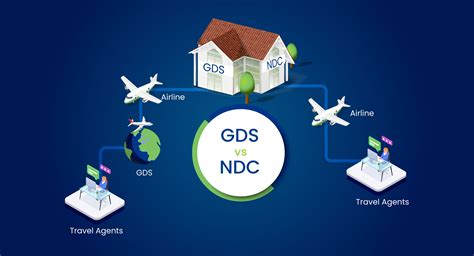
The aviation industry has entered a transformative era with the rise of NDC airfare, a revolutionary standard introduced by the International Air Transport Association (IATA). Short for New Distribution Capability, NDC fundamentally reshapes how airlines distribute airfares, products, and services. By enabling a direct connection between airlines and travel retailers, NDC bypasses the limitations of traditional Global Distribution Systems (GDS) and opens the door to personalized, flexible, and content-rich airfare offerings. This shift is not just technical—it signifies a paradigm change in how we shop for and experience air travel.
Understanding the Core of NDC Airfare
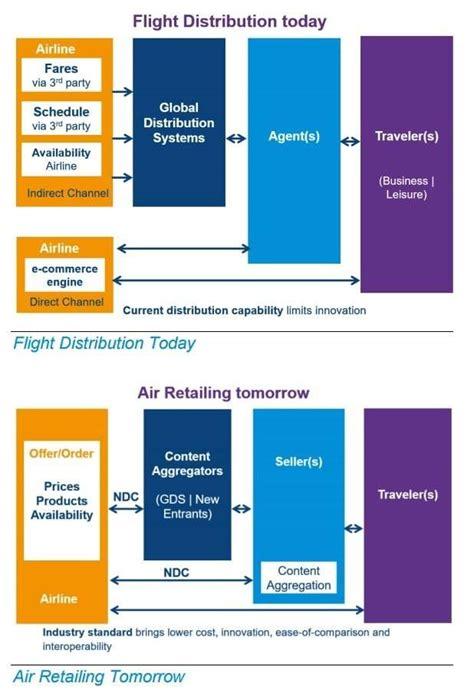
At its heart, NDC is a set of XML-based data transmission standards developed by IATA to modernize the way airline products are distributed. Traditional GDS channels, while historically indispensable, have often restricted airlines from dynamically pricing fares or showcasing branded content. NDC disrupts this model by allowing real-time, API-based communication between airlines and third-party sellers, including Online Travel Agencies (OTAs), Travel Management Companies (TMCs), and corporate travel platforms.
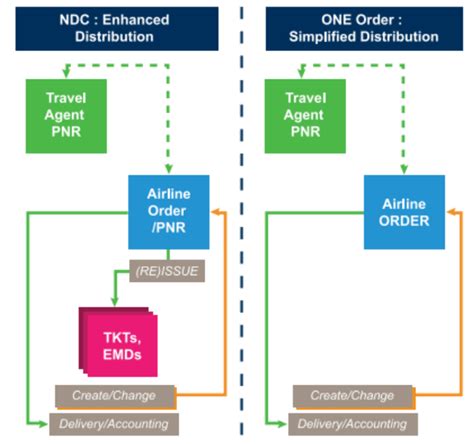
Rather than relying on third-party aggregators to control how their products appear in distribution channels, airlines using NDC can customize content presentation, pricing, and packaging. This level of control offers profound implications for revenue optimization, customer engagement, and competitive differentiation.
Direct Airline-to-Retailer Connectivity
The most critical element of NDC airfare is the direct connection it establishes. Instead of routing content through intermediaries, NDC lets airlines push up-to-date offers directly to sellers. This means:
- Real-time fare updates reflecting the latest inventory and prices.
- Dynamic pricing based on market demand, customer behavior, and loyalty tiers.
- Fewer data lags or outdated inventory errors, improving booking accuracy.
This streamlined connection benefits not only airlines but also travel retailers, who can provide their customers with more accurate pricing and greater product transparency.
Rich Content and Branded Fare Packaging
One of the most transformative features of NDC is its capacity to deliver enhanced content. This includes:
- Branded fare families (e.g., Basic Economy, Premium Flex, Business Saver).
- Seat selection visuals, including real-time seat maps.
- Images and descriptions of meals, amenities, baggage options, and more.
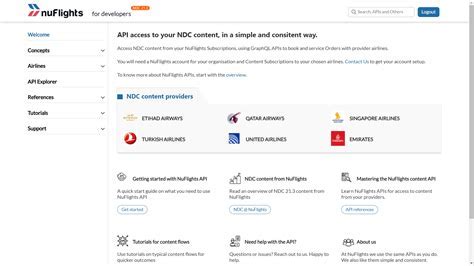
By showcasing these options clearly, NDC empowers consumers to make more informed decisions and select offerings aligned with their travel needs. For airlines, this means a better upsell potential and increased revenue from ancillary services.
Personalization and Offer Management
A defining feature of NDC airfare is personalization. Airlines can now use traveler data—like past purchase behavior, frequent flyer status, or corporate contract details—to generate tailored offers. Unlike GDS-based systems that show generic fare options, NDC allows for context-aware packaging, such as:
- Exclusive offers for elite loyalty members.
- Special discounts for corporate travelers.
- Pre-bundled ancillaries for families or long-haul fliers.
This customization enhances the customer experience and drives loyalty through relevance. It also shifts the airline-retailer relationship toward merchandising, rather than just inventory access.
The Economic Advantage: Cost and Control
One of the long-standing complaints from airlines has been the cost and inflexibility of traditional GDS platforms. Every ticket distributed through GDS incurs transaction fees, and the legacy technology often restricts how airlines can showcase their products. NDC changes the game in several key areas:
- Reduced GDS reliance and fees: Direct connectivity lowers distribution costs.
- Full control over product display: Airlines can brand, price, and modify offerings without third-party interference.
- Improved time-to-market: Airlines can introduce new fare products or bundles more rapidly.
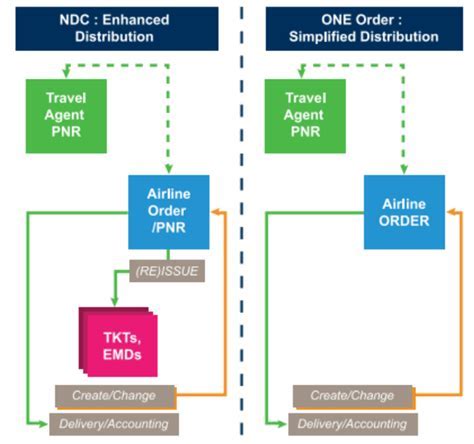
These factors contribute to a more efficient and responsive commercial strategy, especially for carriers aiming to compete on experience, not just fare.
Benefits for Travel Agencies and Retailers
While airlines may reap the most immediate rewards, NDC offers significant advantages to travel agencies and resellers as well. By integrating with NDC APIs, agencies gain access to:
- More comprehensive fare content, including previously unavailable ancillaries.
- Exclusive NDC-only content and promotions.
- Real-time inventory and personalized offerings for each traveler.
Agencies that embrace NDC can differentiate themselves in a crowded market and offer a richer, more tailored service to both leisure and corporate clients. Additionally, the ability to show complete trip costs upfront (including seat fees, baggage, and meals) can enhance trust and transparency.
How NDC Airfare Works in Practice
Implementing NDC requires several technological and operational components. Here is how it works in real-time environments:
- API Integration: Airlines and sellers connect through IATA-compliant NDC APIs.
- User Search: A traveler initiates a flight search through a connected platform.
- Offer Generation: The airline receives the request and returns personalized offers with dynamic pricing and ancillary content.
- Booking and Ticketing: The traveler selects an offer, and the platform confirms the booking via the airline’s system.
- Post-Booking Servicing: Changes, upgrades, and cancellations are handled through the same API framework.
This workflow replaces the rigid and generic process of traditional GDS platforms, offering greater agility and responsiveness.
Challenges and the Road Ahead
Despite its promise, NDC adoption remains uneven. Some major airlines have fully implemented NDC APIs and are pushing aggressively toward GDS independence. Others are still in pilot phases or limited deployments. Travel agencies, especially smaller ones, often face hurdles in integrating NDC due to technical complexity, cost, and lack of standardization.
Additionally, there are lingering concerns around:
- Servicing post-sale transactions, such as exchanges and refunds.
- Comparability of fare content between NDC and GDS.
- Consistency of shopping experiences across platforms.
IATA continues to refine the NDC standard, working with industry partners to ensure interoperability and broader support. As API capabilities expand and aggregators improve usability, adoption is expected to accelerate.
Strategic Implications for the Airline Industry
NDC is more than a technology upgrade—it is a strategic weapon in the fiercely competitive airline industry. By empowering airlines to control how, where, and at what price their products are sold, NDC supports:
- Revenue diversification beyond base fares.
- Brand differentiation through experience and service packaging.
- Market segmentation, especially across business, leisure, and premium travelers.
Airlines that master NDC can move from commodity sellers to retail-driven travel providers, shaping the passenger journey from discovery to post-trip engagement. The future of airfare isn’t just about price—it’s about packaging, presentation, and personalization.
Conclusion: A Clear Path Toward Intelligent Distribution
The rise of NDC airfare is not merely a technical evolution—it’s a transformative leap toward modern, intelligent travel distribution. By giving airlines control over their digital storefronts and offering richer, more relevant content to travel sellers, NDC opens the door to personalized travel at scale.
For airlines, it means lower distribution costs, improved customer relationships, and new monetization pathways. For agencies and travelers, it means more choice, more transparency, and a better overall travel experience.
As adoption grows and standards mature, NDC will become the backbone of modern airline retailing, signaling the end of generic airfare and the rise of tailored, customer-centric journeys.