The New Distribution Capability (NDC) is transforming the way we approach airline retailing, especially within the realm of corporate travel management. Developed by the International Air Transport Association (IATA), this XML-based data transmission standard enables airlines to distribute rich, personalized content directly to travel buyers, agents, and corporate platforms. But what makes NDC particularly relevant to the corporate traveller today? We explore the impact, benefits, resistance, and future of NDC in reshaping managed travel.
The demand for pricing transparency, personalized offers, and seamless booking is driving the adoption of NDC across the airline industry. Despite its slow and inconsistent rollout, the momentum is accelerating due to the convergence of technology investments, supplier pressure, and the evolution of business travel expectations.
What Is NDC and Why It Matters for Corporate Travellers
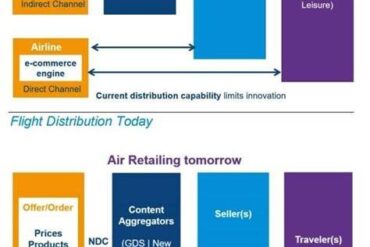
At its core, NDC is a communication standard that facilitates the transfer of real-time information between airlines and third-party travel platforms. Unlike traditional Global Distribution Systems (GDS), which have long dominated airline ticketing and ancillary sales, NDC empowers airlines to control their offers, bundle services, and display content in a visually rich and customized manner.
For corporate travel programs, this means:
- Richer content at the point of sale
- Customized bundles based on traveller profile or corporate contracts
- Real-time updates on seat availability, baggage policies, and lounge access
- Direct integration of ancillary services like Wi-Fi, meals, and preferred seating
In short, NDC aligns airline retailing with modern e-commerce expectations.
Key Benefits of NDC for Corporate Travellers
Tailored Offers Based on Traveller Profiles
One of the most compelling aspects of NDC is its ability to offer personalized travel options. If travellers opt to save their preferences—such as dietary requirements, seating choice, or frequent flyer status—these can be used to shape the flight offer.
For example, if Wi-Fi is covered under a corporate agreement with a specific airline, NDC will reflect this directly in the pricing. Conversely, a leisure traveller on the same flight may see an additional cost.
This level of customization enhances policy compliance and reduces the risk of surprise fees post-booking.
Streamlined Agent Support for Ancillaries
Under legacy systems, travel agents are often forced to leave the GDS platform to manually book extras like baggage, meals, or seat selection through airline websites. NDC eliminates this bottleneck by integrating ancillary booking capabilities into a single transactional interface.
As a result, agents can:
- Book, amend, and service trips from one platform
- Reduce transaction time
- Offer a higher degree of support with less friction
This end-to-end booking efficiency is particularly beneficial for high-volume corporate accounts managing multiple travel segments simultaneously.

Visual Shopping for Smarter Decision-Making
Another critical enhancement brought by NDC is visual merchandising. Airlines can now showcase photos and videos of cabins, lounges, meals, and seat layouts at the point of sale.
This content-rich interface allows corporate travellers and booking agents to make informed decisions beyond just price and timing. Knowing the difference between a standard and premium economy seat, or seeing the exact layout of a connecting flight’s lounge, enhances the ability to compare “apples with apples.”
It also fosters better supplier differentiation and clearer justification for fare discrepancies, which is crucial in travel policy enforcement.
Low-Cost Carrier Visibility
Low-cost carriers (LCCs), which traditionally operate outside the GDS environment, have posed a challenge for corporate travel programs looking to maintain spend visibility and policy compliance.
With NDC, many of these LCCs can now distribute their content to corporate buyers and travel managers without requiring direct consumer bookings. This opens the door to:
- Broader fare availability
- Tighter control over low-cost spend
- More holistic program visibility
The democratization of content from both full-service and low-cost carriers ultimately enhances booking flexibility.
Why Adoption Has Been Slow and Fragmented
Despite its many promises, NDC adoption has not been seamless. A few significant roadblocks have emerged:
- High implementation costs for both airlines and travel agencies
- Technological inconsistency, with varying NDC versions and capabilities
- Lack of standardization across platforms, hindering cross-airline comparisons
- Corporate hesitancy, as integration with expense tools and booking platforms remains a work in progress
These challenges explain why many airlines have opted for phased rollouts or pilot programs, rather than full-scale transformation.

Surcharges and Distribution Strategy Shifts
A notable tactic in the push for NDC adoption is the imposition of GDS surcharges by several major airlines. Lufthansa, British Airways, Iberia, and Air France-KLM have introduced additional fees for bookings made outside their preferred NDC channels.
This has forced travel management companies (TMCs) and corporates to reevaluate their distribution strategy. While some, like Flight Centre Travel Group, have signed multi-year NDC distribution deals to eliminate these surcharges, others are still navigating the transition.
In effect, these surcharges are a catalyst for wider NDC adoption—but also a source of tension in airline-TMC relationships.
The Role of Global Distribution Systems in the NDC Era
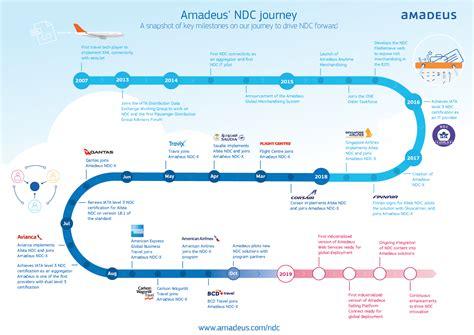
Interestingly, GDS providers themselves—Amadeus, Sabre, and Travelport—have now committed to supporting NDC. This represents a turning point, signaling that traditional systems are evolving rather than becoming obsolete.
These providers are now investing in NDC-enabled APIs and platforms, allowing agencies to access the same enriched airline content while maintaining workflow consistency.
The result is a hybrid model, where the best of legacy infrastructure combines with modern content delivery standards.
Future Outlook: Customization, Control, and Competitive Advantage
As FCM Travel Solutions and other major players launch pilot programs, the full scope of NDC’s potential is beginning to emerge. For corporations, the promise lies in:
- Greater customization of travel programs
- Improved cost visibility and control
- Enhanced traveller satisfaction and experience
- The ability to negotiate dynamic contracts tailored to business needs
In a marketplace shifting toward dynamic pricing and personalized bundles, companies that embrace NDC early may gain a competitive edge in managing air travel.

Conclusion: NDC Is No Longer Optional—It’s Strategic
The New Distribution Capability is not merely a technical upgrade—it represents a shift in philosophy from static, commoditized travel to intelligent, personalized journeys. For corporate travel buyers, it is imperative to understand, adopt, and optimize NDC integration across their programs.
Those who delay may find themselves locked into outdated models, missing out on cost savings, traveller satisfaction, and operational efficiency. As NDC continues its global rollout, its role in modernizing corporate travel procurement will only grow stronger.