Modern airline retailing represents a profound transformation in how airlines engage with passengers across the entire commercial lifecycle. From offer creation to order settlement, this new framework discards rigid legacy systems and embraces dynamic, personalized, and data-driven retail experiences. By centering on the traveler and deploying cutting-edge technology, airlines are now delivering seamless, tailored journeys while maximizing revenue opportunities. This marks a pivotal shift from the static fare-centric model to one that mirrors the modern e-commerce landscape. Below, we examine the intricacies and implications of this evolution in detail.
What Is Modern Airline Retailing?
Airline retailing refers to the strategies and systems airlines use to sell, manage, and fulfill flight products. Traditional retailing relied heavily on static fares and limited product differentiation. In contrast, modern airline retailing encompasses a flexible, offer-based system powered by dynamic pricing, personalization, and omnichannel distribution.
Under this model, the customer is the nucleus of every decision. Airlines aim to understand traveler behavior and intent, enabling them to present relevant, contextual offers at precisely the right moment. This approach increases satisfaction, builds brand loyalty, and ultimately improves airline profitability.
The Core Elements of the Offer and Order Life Cycle
The offer and order life cycle in modern airline retailing defines how products are created, sold, delivered, and settled. It includes a series of connected stages, each of which benefits from automation, personalization, and real-time decision-making.
Creating the Offer
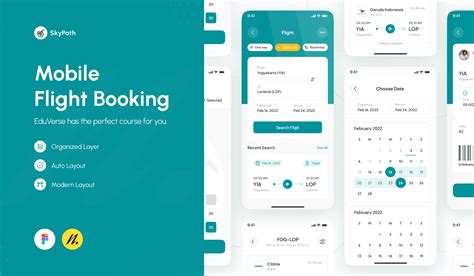
Airlines construct tailored offers by combining fare pricing, ancillary products, and personalized services. Using ATPCO’s global data infrastructure, which supports nearly 90% of airline offers, carriers can:
-
Dynamically adjust pricing using historical trends and real-time inputs
-
Bundle products to suit specific traveler needs
-
Visualize content with rich media such as seat previews or onboard amenities
These capabilities drive differentiation, allowing airlines to move away from commoditized fare displays toward value-based merchandising.
Distributing the Offer
Airlines must seamlessly distribute offers across both direct and indirect channels, including:
-
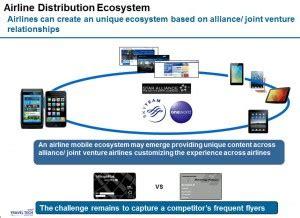
Airline websites and mobile apps (direct)
-
Global Distribution Systems (GDS) and Online Travel Agencies (OTA) (indirect)
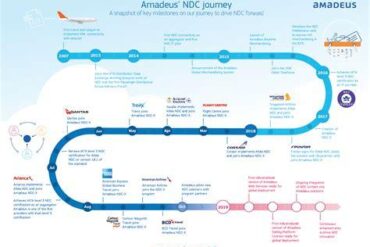
Modern distribution standards, like NDC (New Distribution Capability), enable carriers to provide consistent, enriched offers across these platforms. With ATPCO’s orchestration tools, distribution remains standardized yet flexible, ensuring content is synchronized across all touchpoints.
Presenting the Offer
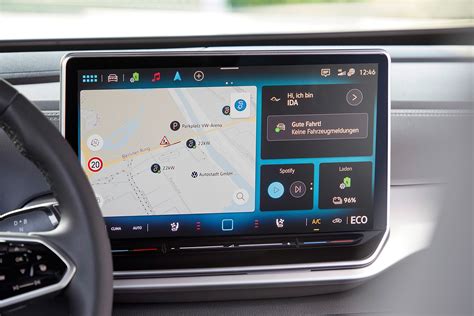
Offer presentation is no longer confined to plain text and price. Using ATPCO’s Routehappy content, airlines can embed:
-
360° cabin views
-
Comparison tools for fare classes
-
Video previews of in-flight services
Such enhancements support informed decision-making and replicate the best practices of digital retail. This improves conversion rates while reinforcing brand differentiation.
Servicing and Settling the Order
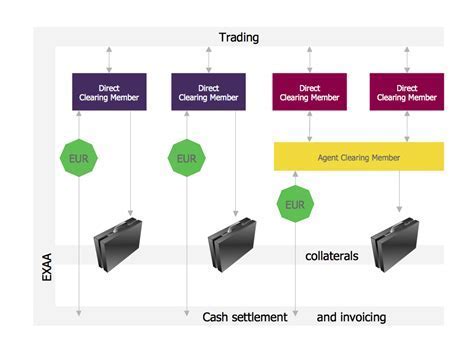
Once a purchase is made, the focus shifts to order servicing and settlement. This includes:
-
Handling itinerary changes, cancellations, and upgrades
-
Managing disruptions and re-accommodation
-
Accurately distributing revenue among involved parties
By automating these processes with data-driven technologies, airlines achieve faster resolutions, fewer errors, and improved cash flow.
Why the Shift to Modern Airline Retailing?
The industry’s shift toward modern airline retailing is driven by both technological innovation and changing customer expectations. Key benefits include:
Personalized Experiences
By leveraging customer data and AI, airlines can deliver tailored experiences that cater to specific preferences. A business traveler might receive a bundled offer that includes lounge access, fast-track security, and Wi-Fi, while a leisure traveler sees family seating and baggage discounts.
This level of relevance boosts engagement and strengthens the brand-consumer relationship.
Enhanced Revenue Potential
Traditional pricing models often leave money on the table. Dynamic retailing enables airlines to adjust offerings in real time, allowing for upsell and cross-sell opportunities that align with traveler intent. This maximizes revenue without increasing base fares.
Lower Distribution and Conversion Costs
By reducing reliance on intermediaries and optimizing content delivery, airlines can lower customer acquisition costs and improve overall ROI. More targeted offers also reduce shopping friction, improving conversion rates.
Strategic Offer Timing
Data-driven offer management allows for context-aware timing. Whether it’s during initial flight search or at a pre-departure check-in, presenting the right product at the right time dramatically improves likelihood of purchase.
The Role of ATPCO in Airline Retailing
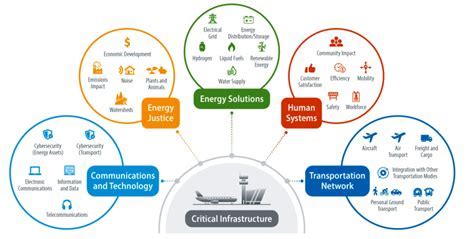
ATPCO (Airline Tariff Publishing Company) is central to the modernization of airline retailing. With its data powering the majority of global airline offers, ATPCO facilitates:
-
Standardization: Ensures consistency across industry platforms
-
Automation: Speeds up fare creation, validation, and distribution
-
Rich Content Delivery: Enables multimedia content like Routehappy visuals
-
Interoperability: Bridges the gap between legacy systems and modern APIs
As a trusted intermediary, ATPCO helps airlines scale their retailing efforts without compromising on accuracy or compliance.
Future Trends in Airline Retailing
The evolution of airline retailing is far from complete. Over the next decade, we expect to see several key trends reshape the landscape:
Hyper-Personalization with AI
Machine learning models will refine customer segmentation and behavior prediction. Offers will be hyper-personalized, adapting in real-time to user actions, preferences, and contextual signals.
End-to-End Offer/Order Systems
Legacy PSS (Passenger Service Systems) will give way to modular, cloud-based order management systems that support continuous pricing, dynamic bundling, and instant servicing.
API-First Architectures
Open APIs will become standard, enabling airlines to scale faster across channels, integrate with partners, and co-create value-added services.
Sustainability-Driven Merchandising
Eco-conscious travelers will be shown offers that highlight carbon offset options, sustainable catering, or fuel-efficient aircraft. Environmental responsibility will be a key differentiator in purchase decisions.
Challenges to Full Adoption
Despite the clear benefits, several barriers remain:
-
Legacy systems still dominate many airline IT stacks, slowing adoption.
-
Industry-wide standardization is essential for full interoperability.
-
Staff training and operational change management must be addressed.
-
Data privacy and compliance concerns require robust governance.
However, with growing consumer demand and a competitive mandate to innovate, the trajectory toward full-scale modern retailing appears inevitable.
Conclusion
Modern airline retailing is more than a technical upgrade—it is a strategic imperative. By aligning technological innovation with customer-centric thinking, airlines can unlock new revenue streams, improve operational efficiency, and deliver superior experiences. As leaders like ATPCO pave the way with data-rich solutions, the path to intelligent, intuitive, and immersive air travel commerce is becoming increasingly clear. The future of flight shopping is not just digital—it’s dynamic, intelligent, and personal.
FAQ
What is the difference between traditional and modern airline retailing?
Traditional airline retailing focused on static fares and rigid distribution through GDS. Modern retailing is dynamic, offer-based, and centered on personalization, allowing airlines to tailor products in real-time and distribute them through multiple direct and indirect channels with enriched content.
How does ATPCO support modern airline retailing?
ATPCO provides the data backbone for most airline pricing and retailing operations. Through tools for dynamic pricing, offer creation, multimedia presentation, and order settlement, ATPCO enables airlines to modernize while maintaining interoperability with global systems.
Why is personalization so important in airline retailing?
Personalization enhances customer satisfaction by delivering offers that are relevant to individual needs and contexts. It increases conversion rates and allows airlines to optimize yield by offering value-added services that align with traveler intent.