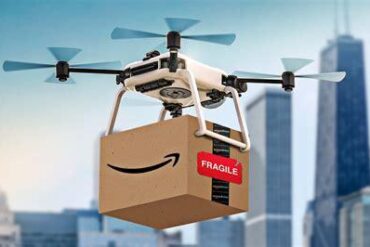
Delivery drones, also known as unmanned aerial vehicles (UAVs), are changing the landscape of logistics and e-commerce, offering unparalleled speed, efficiency, and sustainability. These advanced machines, capable of carrying packages, food, medical supplies, and other essential goods, are being used by major global companies such as Amazon, DHL, and FedEx. The technology behind drones has evolved significantly, and their potential applications span various industries, from healthcare to military resupply and retail. As these technologies continue to develop, the future of delivery drones appears promising, with a range of benefits and challenges that are shaping the logistics industry today.
The Emergence of Delivery Drones
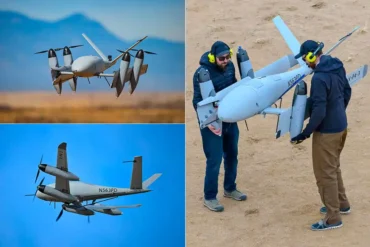
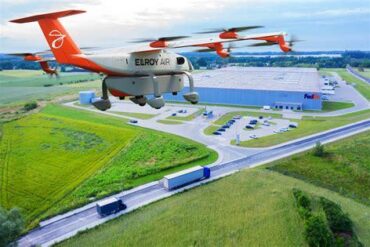
Delivery drones are changing the way we think about transportation and goods delivery. Initially, these vehicles were used for specialized tasks, but they are now being integrated into mainstream logistics systems. These autonomous and semi-autonomous devices are designed to carry goods from one point to another, reducing the reliance on traditional methods such as trucks or motorcycles. Autonomous drones can be controlled via onboard systems, whereas remote-controlled drones are operated by human pilots. The combination of fixed-wing and multirotor designs provides versatility in the types of drones used for different delivery tasks.
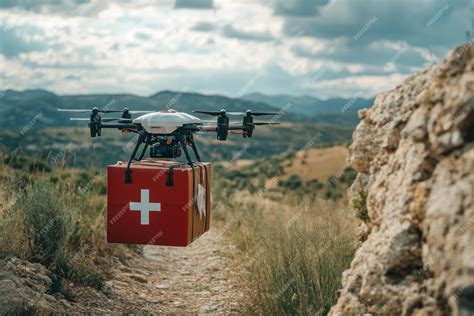
The rise of delivery drones has also introduced a range of advantages, particularly in emergency situations and remote locations. For instance, in countries like Rwanda and Ghana, drones have become essential tools for delivering critical medical supplies like vaccines, blood, and insulin to regions that are difficult to access due to geographic barriers. This capability was notably demonstrated during the global COVID-19 pandemic, when drones were used to transport medical supplies to remote areas in Africa and other underserved regions.
Key Applications of Delivery Drones
Delivery drones are quickly becoming integrated into various sectors beyond traditional retail, with the following notable applications:
- Healthcare Delivery: In many developing countries, drones have proven to be game-changers in delivering emergency medical supplies. Companies like Zipline have pioneered the use of drones for transporting blood, vaccines, and other vital medicines. Zipline, for instance, has completed over 1 million deliveries since its inception, a milestone that underscores the efficiency and necessity of drone technology in healthcare.
- Food Delivery: The food industry has also adopted drones for delivering meals and groceries. Companies like Domino’s and Uber Eats are testing the use of drones to expedite food deliveries. This innovation is particularly useful in urban areas with heavy traffic or in places where traditional delivery methods may be inefficient or too costly.
- Military Resupply: Military operations around the world are increasingly relying on drones for resupply missions, especially in conflict zones. Drones enable quick and safe delivery of supplies such as ammunition, food, and medical equipment, often reducing the need for convoys that are vulnerable to attack.
- E-Commerce and Retail: E-commerce giants like Amazon are investing heavily in drone delivery technology. Amazon’s Prime Air initiative aims to offer 30-minute deliveries using drones. As online shopping continues to grow, drones provide a faster, more efficient alternative to traditional delivery methods.
Benefits of Delivery Drones
The benefits of using drones for deliveries are clear and diverse. Some of the most notable advantages include:
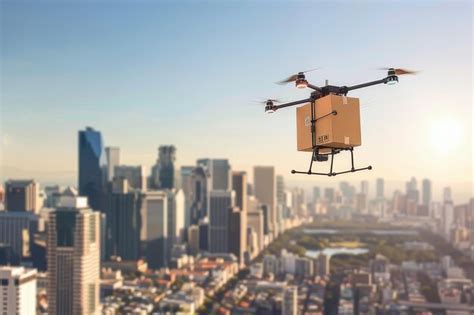
- Faster Delivery Times: Drones can significantly cut down delivery times, especially in urban areas or regions with heavy traffic. By taking off vertically and flying directly to the destination, drones avoid the congestion that affects ground-based transportation.
- Lower Carbon Emissions: Drones are electrically powered, which makes them a much greener option compared to trucks or other fossil-fuel-powered vehicles. In cities and areas where air pollution is a concern, drones can contribute to cleaner air and reduced traffic congestion.
- Cost-Efficiency: Over time, drones can reduce costs for companies by eliminating the need for human drivers, fuel, and maintenance associated with traditional delivery vehicles. Additionally, drones’ ability to navigate directly to delivery locations results in fewer delays and shorter delivery routes.
- Access to Remote Locations: One of the most significant benefits of drones is their ability to reach locations that are otherwise difficult or impossible to access by traditional means. Whether it’s delivering life-saving medical supplies to a mountain village or bringing packages to an isolated island, drones can bridge logistical gaps in hard-to-reach areas.
Technical Challenges and Safety Concerns
Despite the numerous benefits, the use of delivery drones comes with several challenges, particularly in terms of regulation, safety, and integration into existing infrastructures. The following are key issues facing the widespread adoption of drones:
- Airspace Regulations: As drones become more common in commercial airspace, establishing clear rules and regulations is crucial for preventing accidents. Current regulations vary by country, and in many places, drones are restricted to certain flight zones, especially near airports or crowded areas. International agreements are needed to standardize drone operations across borders.
- Battery Life and Payload Capacity: Although battery technology has improved in recent years, the range and carrying capacity of drones remain limited. The need for longer battery life and the ability to carry heavier payloads is a crucial area of development for drone manufacturers. Until these issues are addressed, drones may be limited to delivering smaller packages over shorter distances.
- Safety and Security: Drones are vulnerable to malfunction or hacking, raising concerns about safety and privacy. As drones operate autonomously, there is a risk that they could be involved in accidents if their systems fail or if they collide with other objects. Companies must invest in improving safety features to mitigate these risks.
- Public Perception and Acceptance: The idea of drones flying overhead in populated areas can be unsettling for some people. Concerns about noise pollution, privacy, and the potential for accidents need to be addressed to gain public acceptance. Educational efforts and the implementation of strict safety standards can help ease these concerns.
Leading Companies in Drone Delivery Technology
Several companies have already made significant strides in the development and deployment of delivery drones. Among the leaders in the field are:
- Zipline: This company has become a pioneer in drone delivery, especially for healthcare. Its drones have flown over 150 million miles and completed millions of deliveries, proving the effectiveness of using drones for medical supply delivery.
- Wing: A subsidiary of Alphabet (Google’s parent company), Wing has completed over 100,000 deliveries and has expanded its operations in various regions, including the United States, Australia, and Finland.
- UPS: UPS Flight Forward, a subsidiary of United Parcel Service, has begun using drones to deliver medical supplies and other packages. They are already working with the FAA to expand drone operations in the United States.
- Amazon Prime Air: As one of the most well-known players in the drone delivery space, Amazon is working toward launching a drone-based delivery system capable of completing deliveries in 30 minutes or less. Their focus on automation and efficiency has the potential to reshape the future of e-commerce logistics.
The Future of Delivery Drones
The future of delivery drones looks promising, with continuous advancements in technology, regulations, and public acceptance. As drone technology improves, the range of goods that can be delivered will expand, and the overall cost of drone operations will decrease. Companies will continue to invest in drones as a solution to address increasing demand for fast, efficient, and eco-friendly deliveries. However, for drones to become a standard method of delivery, substantial investments in infrastructure, safety, and regulatory systems will be required. The next few years will likely see further trials and regulations that will help establish drones as a mainstream delivery solution.
Conclusion
Delivery drones are not just a futuristic concept; they are already making an impact in the present day. From providing critical medical deliveries to revolutionizing e-commerce and retail, drones are changing the way goods are transported across the world. While challenges remain, such as safety concerns, regulatory hurdles, and public perception, the potential benefits of drones are undeniable. As technology continues to evolve, drones are poised to become a cornerstone of future logistics systems, transforming industries and improving lives in the process.