The Electronic Miscellaneous Document (EMD) has emerged as a cornerstone in the transformation of airline commerce, offering a standardized, fully electronic means for documenting ancillary revenue—those crucial transactions beyond base airfare. As airlines shift toward unbundled service models and look to streamline operations, EMD stands as a central enabler of this evolution, effectively bridging the gap between fragmented fee systems and seamless customer service delivery.
In the early days of electronic ticketing, the model was straightforward: a passenger flew from point A to point B, and the fare included taxes and perhaps a couple of checked bags or meals. That era of product bundling simplified billing but didn’t account for the increasingly nuanced pricing strategies that began to surface in the late 1990s and early 2000s.
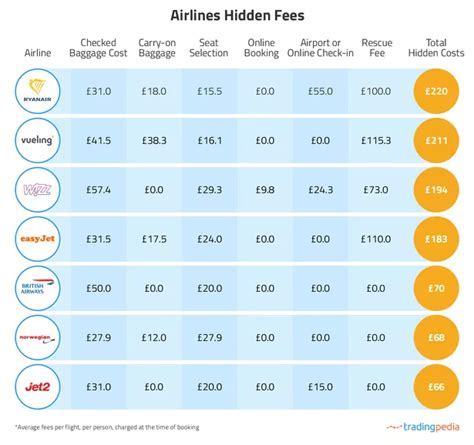
Economic pressures—from deregulation, rising fuel costs, and the rise of low-cost carriers like Ryanair—pushed airlines to reconsider their pricing structures. In response, they began unbundling services, offering each amenity as a separate, optional purchase. While this strategy drove new revenue streams, it created friction in customer transactions. Traditional e-tickets were not designed to handle additional services beyond the basic journey and fare.
This inadequacy led to inconsistent solutions: airlines relied on proprietary platforms, paper vouchers, and manual entries to manage purchases like extra luggage, seat upgrades, or lounge access. These methods not only hindered customer experience but also burdened operational efficiency. The need for a universal, electronic, and scalable system gave rise to IATA’s EMD standard.
The Role of EMD in Ancillary Revenue Management
EMD is an IATA-sanctioned solution developed to overcome the technical constraints of legacy e-ticketing frameworks. Its design enables airlines to document and process every form of ancillary transaction—including excess baggage, in-flight meals, priority boarding, and more—in a consistent, electronic format.
There are two types of EMDs under this framework:
- EMD-A: Associated with an electronic ticket, it is typically used for post-sale services related to an existing flight itinerary.
- EMD-S: A standalone document, independent of any flight segment, used to sell services that are not linked to a flight ticket.
These documents are recorded and processed across all distribution channels—whether through global distribution systems (GDS), online booking platforms, or direct airline customer service interfaces. The result is a uniform process that facilitates payment, fulfillment, and tracking in real time.
Integration With Modern Airline Infrastructure
IATA’s EMD initiative is part of its “Simplifying the Business” program, which aims to modernize and digitize air travel systems globally. Following a comprehensive implementation strategy, the IATA Board of Governors mandated the full transition to EMD-based transactions by late 2014. As a result:
- Virtual Miscellaneous Charge Orders (vMCOs) were discontinued in January 2014.
- Virtual Miscellaneous Multi-Purpose Documents (vMPDs) were phased out by November 2014.
From this point on, EMDs and e-tickets became the exclusive formats supported by the IATA Billing and Settlement Plan (BSP).
To support this transition, leading Computer Reservation Systems (CRS) and ticketing platforms integrated EMD capabilities, including:
- Amadeus CRS
- SabreSonic
- Travelport (Galileo, Worldspan, Apollo)
- SITA
- Mercator (by Emirates Group)
- TravelSky (used widely in China)
- Resiber (used by Iberia)
Additionally, technology firms like Hexaware developed custom EMD management tools, such as HexEMD, to streamline adoption among carriers and agencies.
Widespread Implementation and Global Adoption
By the end of 2014, over 180 airlines had successfully implemented the IATA EMD standard. Some of the notable milestones include:
- Finnair, credited with launching the first EMD in Europe, was an early adopter.
- Air China became the first Chinese airline to implement EMD in 2010, signaling the standard’s global reach.
IATA reported that by the close of 2014, more than 52 million EMDs had been issued, representing over $2 billion in ancillary revenue. The documents were processed across 82 IATA BSP markets, involving more than 130 airlines.

This large-scale adoption signifies a fundamental shift in industry operations, aligning with broader digital transformation goals and ensuring that airlines can innovate their service offerings without disrupting backend processes.
Enhancing Passenger Experience Through EMD
From a passenger’s perspective, EMD has dramatically improved the booking and travel experience. Previously, customers had to engage in multiple transactions or revisit the airline’s platform to purchase extras. Now, with EMD:
- All services are transparently priced and selectable at the time of booking.
- Travelers can manage and modify services digitally, avoiding last-minute surprises or in-airport delays.
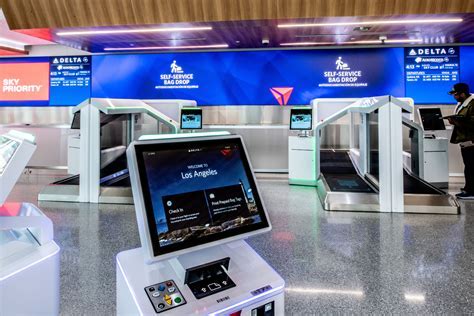
- Mobile apps and kiosks can seamlessly access EMD records, providing instant verification and fulfillment.
This frictionless experience strengthens customer satisfaction, encourages upselling, and supports airline branding as service-oriented rather than cost-obsessed.
Interline Capability: EMD Beyond Boundaries
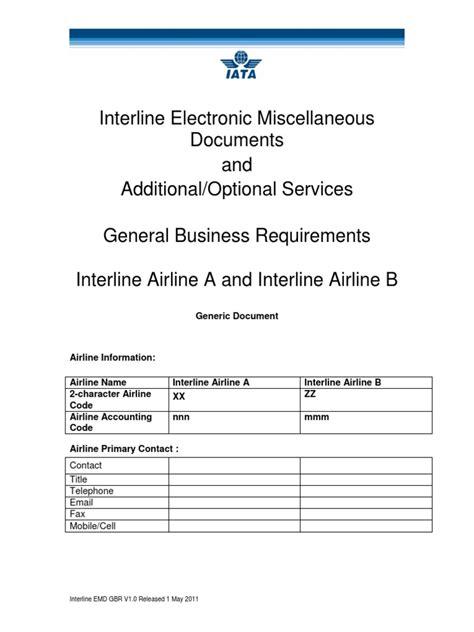
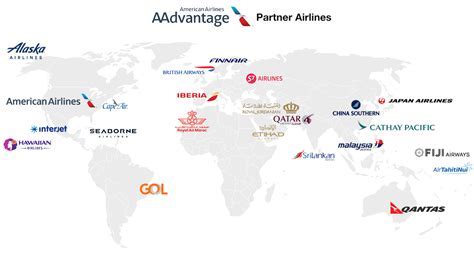
Just like e-tickets, EMDs support interline transactions, allowing ancillary services to be shared across codeshare or alliance carriers. This functionality is especially crucial in an era where connecting flights between partner airlines are the norm.
For example, a baggage fee paid to Airline A for a multi-leg journey can be honored by Airline B, thanks to shared EMD processing protocols. This alignment enhances interoperability, which is a strategic advantage for major alliances like Star Alliance, SkyTeam, and oneworld.
The Competitive Edge of EMD in Airline Commerce
In the intensely competitive aviation sector, EMD provides a distinct commercial advantage. It enables airlines to:
- Maximize ancillary revenue opportunities without backend complexity
- Offer modular pricing strategies in a highly flexible format
- Maintain compliance with global IATA standards
- Deliver real-time service fulfillment across all sales channels
Moreover, it supports ongoing innovation—whether through third-party integrations, real-time dynamic pricing, or AI-driven personalization of offers.
Looking Ahead: EMD and the Digital Airline Vision
As the airline industry continues its digital evolution, EMD will remain a central piece of the ecosystem. Paired with e-tickets, biometric verification, mobile wallets, and self-service platforms, it creates a cohesive, data-driven passenger experience.
We anticipate that future developments will further embed EMD into predictive analytics engines, enabling airlines to forecast service purchases and tailor offers with unprecedented precision. With over $100 billion in ancillary revenue projected globally in the coming years, EMD is not just a backend tool—it is a strategic revenue pillar.
Ultimately, EMD represents more than documentation; it is a framework for innovation, efficiency, and elevated service delivery in modern aviation.