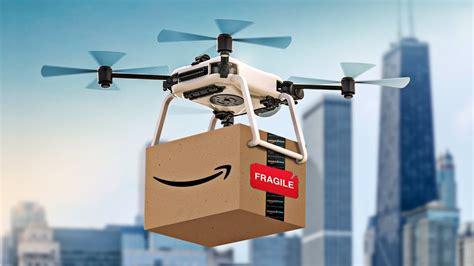
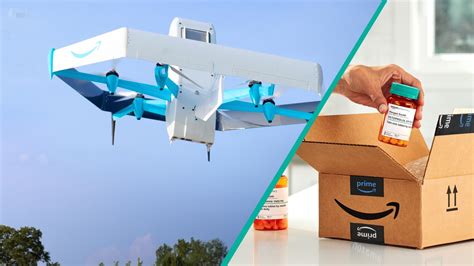
Amazon has redefined last-mile delivery with its latest drone technology, capable of delivering over 60,000 different items in 60 minutes or less. From smartphones to household essentials, Amazon’s Prime Air is not just a futuristic concept anymore — it’s operational and transforming logistics at an unprecedented pace. Here’s how Amazon simplified drone delivery to bring customers what they need faster than ever.
The Evolution of Amazon Prime Air’s Drone Delivery System
For over a decade, Amazon has invested in autonomous delivery systems, but recent advancements have drastically reshaped the service’s capabilities. By leveraging digital mapping and AI-driven flight control, Amazon eliminated the need for manual surveys and QR-code placements, allowing drones to autonomously select accurate delivery points. The focus: make the process as seamless for customers as possible.
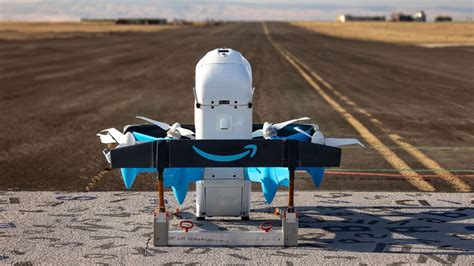
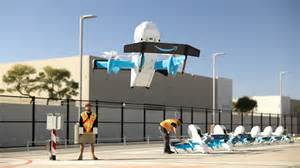
Instead of using human-placed markers, Amazon drones now depend on a complex network of satellite imagery, obstacle detection sensors, and customer-designated drop zones. The introduction of the MK30 drone marked a pivotal change, as its ability to autonomously locate drop points without physical aids streamlined operations dramatically.
Ordering with Drone Delivery: The Customer Journey Simplified
It begins directly within the Amazon Shopping app or on Amazon.com. Customers in eligible areas can now choose drone delivery as an option when checking out with items weighing five pounds or less. Recent FAA approvals expanded the list of deliverable products to include:
- Apple iPhones and Samsung Galaxy smartphones
- Apple AirPods and AirTags
- Ring doorbells
- Alpha Grillers Instant Read Thermometers
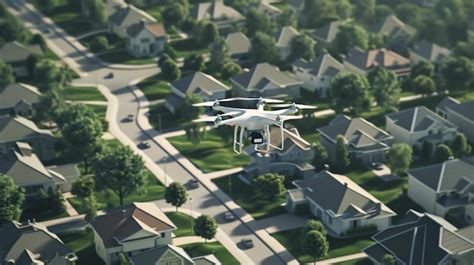
Once selected, customers simply confirm a delivery drop-off point at their residence. Whether it’s the backyard, driveway, or another clear area, this location becomes the automated target for future deliveries unless manually updated.
Precision Navigation and Near-Exact Delivery Times
The drone’s AI system analyzes the flight route immediately upon order placement, calculating a precise delivery time accurate to within five minutes. Should weather or other unforeseen conditions interrupt availability, customers are notified promptly, ensuring expectations remain managed and clear.
Obstacle Detection and Safety Prioritization
Approaching the delivery site, the drone hovers at approximately 13 feet above ground to evaluate safety conditions using its advanced perception system. Pets, vehicles, or humans within the landing zone trigger automatic postponements to prevent accidents. Only when the area is clear does the package release safely to the ground.
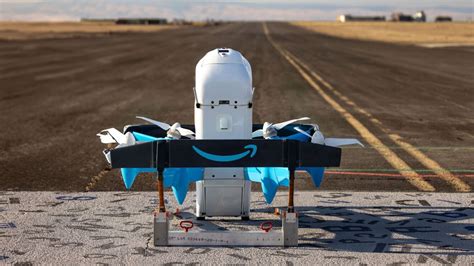
Amazon’s MK30 drones boast enhanced perception algorithms to detect real-world obstacles, not visible via satellite — such as newly parked cars or sudden environmental changes. This real-time adaptability ensures both speed and safety during every delivery.
Weather-Driven Decision Systems: Not Every Day Is Delivery Day
Unlike traditional couriers, drones face limitations posed by weather. Using a 75-minute forward-looking meteorological service, Amazon determines service feasibility before accepting orders. While light rain is manageable for the MK30, severe weather suspends drone availability automatically. This guarantees operational safety without compromising delivery integrity.
If conditions aren’t optimal, customers won’t even see the drone delivery option displayed at checkout, maintaining transparency without needing after-order notifications.
The Role of Delivery Zones and Points in Ensuring Success
A key success factor behind Prime Air’s speed is its pre-mapped delivery zones. By digitally designating areas devoid of hazards like dense trees or tall buildings, Amazon’s system overlays delivery points — precise locations deemed suitable for drops. This prevents drones from mistaking pools or reflective surfaces for flat, safe landing spots, a problem common in satellite-based navigation systems.
Each approved delivery point is carefully validated to ensure:
- Clear vertical and horizontal approach paths
- Flat, stable surfaces without interference
- Customer convenience in retrieving delivered items
From Order to Drop-Off: A Streamlined 60-Minute Experience
Once a customer taps ‘Place Order’, the backend sequence unfolds rapidly:
- Digital Maps & Navigation Systems: Automatically determine flight path and delivery feasibility.
- Real-Time Obstacle Analysis: Ensures drop-off safety in dynamically changing environments.
- Flight & Delivery Time Estimation: Provides near-exact ETAs based on route analysis and weather.
- Live Order Monitoring: Customers track drone dispatch and arrival via the Amazon app.
- Safety Checks Pre-Delivery: Last-minute scans of the delivery point guarantee safe package release.
All these operations typically conclude within 60 minutes, offering unparalleled convenience for urgent needs like batteries, chargers, or even forgotten gifts.
The Future: Expanding Reach and Item Categories
Amazon’s drone delivery isn’t just a pilot project anymore. With ongoing FAA partnerships, the number of eligible items and serviceable zones is projected to scale aggressively. Future developments may enable:
- Delivery of larger packages exceeding five pounds
- Night-time delivery capabilities
- Expanded rural coverage through improved obstacle detection systems
- Wider variety of high-demand consumer electronics and perishables
Moreover, Amazon’s commitment to sustainable logistics places drones at the forefront of eco-friendly delivery innovations, aiming to significantly reduce emissions compared to van or truck-based last-mile solutions.
Drone Delivery as a Reflection of Amazon’s Logistics Philosophy
Amazon’s use of drones mirrors its overarching ethos:
- Speed: From order to delivery in under 60 minutes.
- Accuracy: Deliver to precise locations, not just general addresses.
- Customer Control: Empower users to designate and adjust drop-off points.
- Safety: From obstacle detection to weather-based service controls.
Drones supplement rather than replace traditional delivery methods, working alongside Amazon’s e-bikes, vans, and even animal-powered delivery units in hard-to-reach global locales. This multi-modal logistics network ensures customers worldwide receive orders quickly, sustainably, and reliably.
Conclusion: A New Standard in Last-Mile Delivery
Amazon’s Prime Air drone service has established a new benchmark for last-mile delivery. By merging autonomous navigation, AI-driven obstacle detection, precise mapping, and responsive weather-monitoring systems, Amazon has streamlined the customer experience from start to finish.
The blend of speed, safety, and simplicity underscores a technological revolution that’s not merely experimental but operational at scale — with plans to keep expanding.
Whether customers need an Apple iPhone, emergency batteries, or essential medical supplies, Amazon’s drones stand ready to deliver at a moment’s notice — 60 minutes or less.