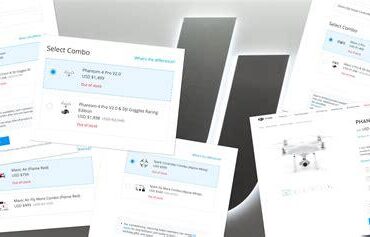
In a stunning turn of events for the global drone industry, DJI, the world’s dominant drone manufacturer, is facing a visible and tangible collapse of its retail presence across the United States. Once a staple in major electronics stores like Best Buy, the Chinese tech giant now finds its drones conspicuously absent from both physical shelves and digital storefronts, triggering speculation about a silent withdrawal from the American market. Yet, DJI insists: it’s not leaving.
DJI’s Drones Disappear from U.S. Shelves
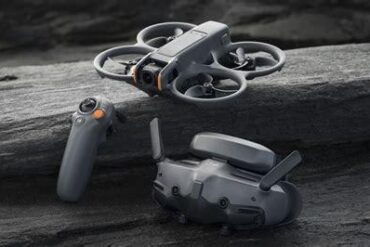
Just weeks ago, walking into a Best Buy meant being greeted by a glittering display of DJI’s flying marvels—from the Mavic Air series to the high-end Mavic 3 Pro. But today, that display is eerily barren. According to on-site reports, DJI’s products have vanished not only from shelves but also from inventory systems, signage, and even product lockers. All that remains are a few leftover gimbals and accessories.
The situation extends beyond Best Buy. DJI’s official U.S. webstore shows a near-complete absence of drone stock. Only older models or refurbished units—such as the Mavic 3 Pro or the 2022 DJI Avata—are sporadically available. Leading specialty retailers like B&H Photo and Adorama are also feeling the drought, with most listings either marked as “temporarily on backorder” or entirely unavailable.
DJI’s Official Stance: Committed, but Constrained
Despite the visible erosion of its retail footprint, DJI is adamant that it is not abandoning the U.S. market. In a statement to The Verge, DJI spokesperson Daisy Kong reiterated the company’s position: the current inventory issues stem from an unresolved issue with U.S. Customs and Border Protection (CBP), not a strategic withdrawal.
“DJI remains committed to the U.S. market. As we’ve previously shared, DJI has been working with U.S. Customs and Border Protection to resolve a custom-related misunderstanding. Unfortunately, this has impacted our ability to stock and import drones and parts.”
DJI did not provide further details on what has changed recently, or why its shelves have gone completely bare. The company has, for over eight months, blamed its troubles on delays linked to the Uyghur Forced Labor Prevention Act (UFLPA)—a law aimed at stopping imports tied to forced labor in Xinjiang, China.
The Shadow of the Uyghur Forced Labor Prevention Act
In October 2024, DJI reportedly informed partners that CBP was invoking UFLPA as a reason to stop imports of its drones. Allegations suggest DJI may have supplied drones used in surveillance of the Uyghur Muslim population. DJI, however, has denied manufacturing any products in Xinjiang and is not a listed entity under the UFLPA. Still, CBP has neither confirmed nor denied blocking DJI shipments, and their silence leaves the company’s claims largely uncorroborated.
The absence of official CBP statements has created a vacuum, allowing speculation to thrive. U.S. legislators and security agencies have long expressed concerns about DJI’s ties to the Chinese government, even prompting the Department of Defense to label DJI as a “Chinese Military Company“—a designation DJI is actively contesting in court.
Retailers Mysteriously Tight-Lipped
While DJI asserts its products are simply stuck in customs limbo, retailers provide little clarity. A Best Buy employee told a Verge reporter, “We’re not really carrying DJI drones anymore because of the U.S.-China thing.” However, a formal response from Best Buy’s press team denied any official removal of DJI products—without offering any explanation for the wiped shelves.
This ambiguity extends to DJI’s Amazon storefront, where current listings are often sold by third-party vendors, many of whom operate with uncertain inventory levels and marked-up prices. For serious drone users and hobbyists alike, the sudden scarcity is disruptive and expensive.
Price Hikes, Repair Delays, and Product Gaps
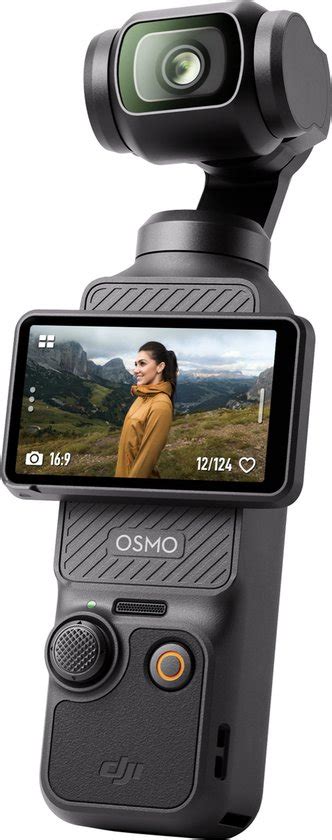
Meanwhile, existing DJI customers in the U.S. are beginning to feel the consequences. According to DJI’s own support site, repairs could now take 60 to 90 days, far longer than typical turnaround times. Compounding frustration, DJI has implemented multiple price hikes in rapid succession. The Osmo Pocket 3, a beloved action camera, jumped from $519 to $799 within two months.
While DJI attributes this to tariffs among other factors, the timing aligns with China’s recent export controls on drone-related components. U.S. buyers now face as much as a threefold increase in component prices, suggesting that geopolitical tensions are squeezing both ends of the supply chain.
A De Facto Ban Looms Large
If DJI’s current problems aren’t enough, a broader existential threat may soon force its hand. As of mid-2025, DJI has less than six months to comply with new U.S. legislation that could effectively ban the import of any new DJI products. To avoid this, the company must:
- Submit to a full U.S. government audit, and
- Prove beyond reasonable doubt that it does not pose a national security threat.
Both tasks are monumental. And in light of growing bipartisan hostility toward Chinese tech firms, the odds of clearing those hurdles seem slim. In anticipation, DJI is already hedging its bets.
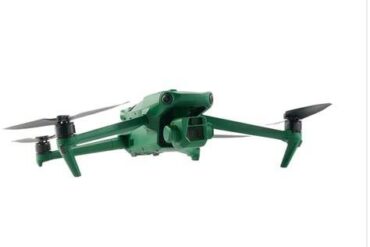
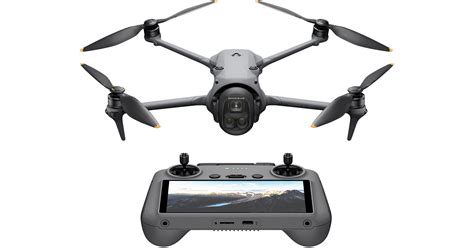
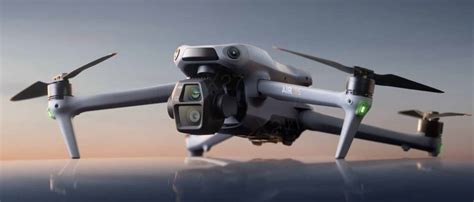
In May 2025, the company launched its most advanced drone yet, the Mavic 4 Pro, but deliberately skipped the U.S. market. It is the clearest indication yet that DJI may already be transitioning to a post-U.S. strategy.
Strategic Retreat or Silent Exit?
Whether DJI is staging a strategic retreat or orchestrating a silent exit, the optics are undeniable. Retail outlets are dry. Inventory is vanishing. Repair timelines are expanding. And most critically, new product launches are happening everywhere but here.
DJI’s continued refrain that it is merely facing a “misunderstanding” with customs rings increasingly hollow in the face of mounting evidence. The company’s non-answers and the U.S. government’s tight-lipped stance contribute to a climate of uncertainty—one in which DJI’s American future is anything but assured.
Conclusion: A Market on the Brink
The collapse of DJI’s U.S. retail presence may not be an official withdrawal, but for all practical purposes, it’s beginning to look like one. In a landscape dominated by national security tensions, economic protectionism, and geopolitical brinkmanship, DJI finds itself caught in the middle.
Until and unless the company can break the deadlock with U.S. authorities, the American drone market may need to prepare for a new reality—one in which the industry leader is no longer a guaranteed fixture. As DJI drones continue to vanish from shelves and new models avoid U.S. shores entirely, the clock is ticking on what may soon become a permanent absence.
One thing is certain: the drone wars are no longer just about technology—they’re now a matter of trade, trust, and territory.