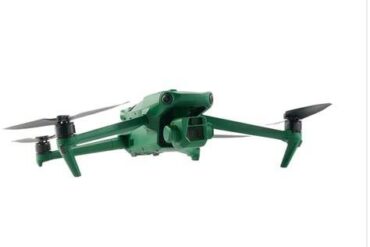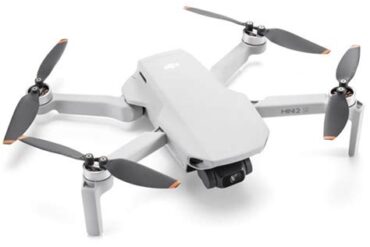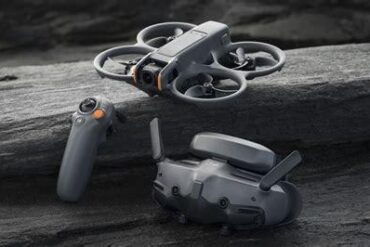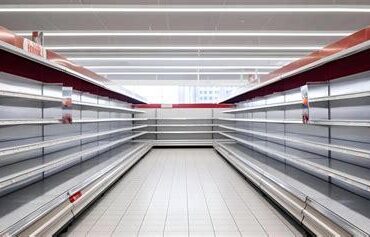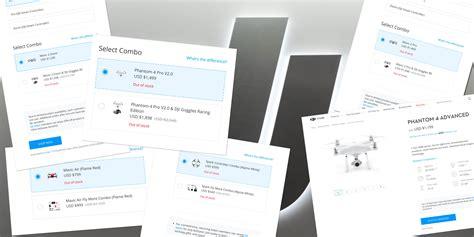
DJI, the world’s leading drone manufacturer, has found itself at the center of a volatile storm in the United States. In what appears to be a sudden and sweeping development, the entire DJI product line has been marked “out of stock” on the DJI Store (United States) website, sparking widespread speculation, political satire, and user frustration across online forums like Reddit’s r/dji. But this isn’t a typical stock shortage caused by high demand or logistical hiccups. What’s unfolding is a deeper, politically charged supply chain breakdown — and possibly the early signs of a regulatory crackdown that could reshape the consumer drone landscape in the U.S.
A Strategic Disappearance, Not a Typical Stockout
To the casual shopper, a website tag that reads “Out of Stock” might seem routine. But insiders and long-time DJI customers are interpreting this differently. As noted by Reddit user kensteele, the out-of-stock message is often a “friendly reminder to prevent you from ordering” — a frontend decision rather than a reflection of DJI’s actual warehouse inventory. In short, DJI may be intentionally restricting access to its U.S. inventory.
Industry whispers suggest that this maneuver is linked to recent escalations in U.S.-China trade tensions and growing regulatory scrutiny of Chinese tech firms with perceived ties to the Chinese Communist Party (CCP). DJI, headquartered in Shenzhen, has repeatedly denied any such links, but that hasn’t stopped policymakers and watchdog agencies from issuing warnings.
Tariffs, Lawsuits, and Suspensions: The Brewing Storm Behind the Blockade
As pointed out in user forums and echoed by industry sources, a key catalyst for this mass delisting could be a lawsuit filed by the U.S. federal government against DJI. The allegations — while not yet fully public — reportedly center on national security concerns, potential CCP affiliations, and violations of U.S. export control laws. DJI has been given a year to respond, but in the meantime, the company appears to be proactively limiting its exposure to potential penalties, possibly by reducing stock in the U.S. altogether.
Tariffs are also a major piece of the puzzle. With the Biden administration expanding Trump-era import duties, particularly on sensitive electronics and UAV technologies, DJI products could soon become prohibitively expensive to sell domestically. These costs, in combination with geopolitical heat, may have influenced DJI’s decision to clamp down on U.S. retail listings until the legal and diplomatic landscape clears.
Dealer Restrictions and Import Lockdowns
One of the most telling developments came from a Reddit user who claimed to work with enterprise drone dealers. According to their account, DJI issued a letter to all U.S. distributors demanding written confirmation that their products would not be resold to “war zones or unfriendly territories.” This might seem like a routine compliance measure, but the sudden enforcement and sweeping nature of the letters caught many by surprise.
What followed was more troubling: import/export access via Guam — a U.S. territory previously used as a workaround port — was reportedly revoked, cutting off a crucial logistics artery for DJI’s American operations. The results were immediate. Even previously unaffected dealers were forced to freeze orders, leading to a surge of consumer confusion and a flood of Reddit posts sharing rumors, memes, and outrage.
The Political Undertones: Trump Drone, Tan Suits, and Treason Jokes
The Reddit thread discussing DJI’s U.S. store shortage quickly morphed into a hybrid of satire and genuine concern. User comments like “You’ll have to wait for the Trump drone,” and “Painted gold” were thinly veiled jabs at the politicization of drone policy. Others joked about a fictitious “Trump Drone 47S”, supposedly launching in two weeks with “Freedom Patriot View” capabilities — a satirical dig at the culture war that now surrounds many tech import issues.
However comedic, these comments reflect a growing public awareness that DJI’s challenges in the U.S. are no longer just commercial — they’re political. The mention of Obama’s tan suit and Israel-related commentary may seem out of place, but they underscore how ideologically split this issue has become. Some users even hinted that criticism of DJI or discussions of its potential ban were stifled in online communities due to the political sensitivity.
Flying While Banned? Geofencing Updates and Firmware Fears
One area of ambiguity lies in what happens to existing DJI drones already in the hands of American consumers. Some Redditors suggested that DJI had removed geofencing for certain regions — ostensibly making their drones “technically easier to fly now.” One user claimed to fly next to a military airport with “zero input from any DJI firmware limitations.” But others contested this, stating newer firmware updates for drones like the DJI Neo still restricted operations near airports and would trigger automatic landing procedures.
This inconsistency has triggered firmware paranoia, with several users vowing to avoid updates altogether in case new restrictions get baked into future releases. Others noted that Canadian firmware variants may differ, leading to speculation that cross-border purchases could yield different flying capabilities.
Grey Markets and Global Workarounds: Where Buyers Are Going Now
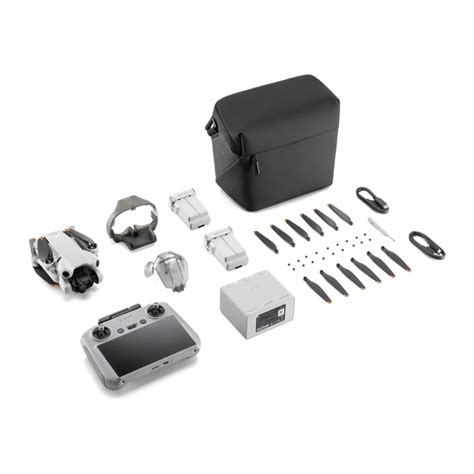
With the U.S. store hobbled, resourceful DJI enthusiasts are turning to third-party vendors and international stores. eBay, Amazon, and focuscamera.com were repeatedly mentioned as active sellers — though even those outlets began to dry up quickly. One user who ordered a Mini 4 Pro Fly More combo from Focus Camera said the stock vanished “shortly after purchase.”
Another reported success with djinyc.com, a DJI-authorized dealer, while others suggested sourcing from Canada, where inventory is more stable — for now. Yet even that strategy has risks, as one comment pointed out: “Don’t Canadian drones have worse RF performance?” Whether true or not, buyers are treading carefully.
There’s also talk of ordering directly from China, with one user noting successful delivery within two weeks despite tariff concerns. While this could save money, customs enforcement and future legislative bans could render that approach risky in the long term.
The Future of DJI in the U.S.: Temporary Disruption or Impending Blacklist?
Perhaps the biggest unknown is whether DJI drones are on the verge of a total U.S. ban. Users referenced speculation that within six months, even legacy DJI drones could become illegal to fly. While there’s currently no law to enforce that, the tone of enforcement — especially with lawsuits, import barriers, and political rhetoric heating up — has made it a plausible scenario.
This echoes the trajectory seen with Huawei, another Chinese tech titan whose phones and network equipment were once ubiquitous before a swift and total U.S. market ban dismantled its presence almost overnight. If DJI faces similar action, it won’t just impact hobbyists — it could disrupt agriculture, construction, public safety, and media industries that rely on DJI’s enterprise platforms.
Implications for the Drone Industry and U.S. Consumers
Should DJI become effectively blocked from the U.S. market, the ripple effects could be seismic. DJI controls over 70% of the global drone market, and no domestic or Western competitor offers the same range, affordability, or technical capability. In DJI’s absence, alternatives like Skydio, Autel Robotics, and Parrot might gain ground — but those brands often lag behind in camera quality, flight time, and AI assistance.
For consumers, the consequence is simple: drones are likely to get more expensive and less capable, at least in the short term. Moreover, innovation in the space could stall if the best-performing product line is axed due to geopolitical tension.
Conclusion: A Cautionary Tale in the Crossfire of Tech and Politics
The DJI “Out of Stock” label on the U.S. store is more than just a supply hiccup — it’s a flashpoint in the intersection of commerce, security, and ideology. It represents the fragility of global tech ecosystems and the real-world impact of international politics on consumer access. Whether this is a temporary freeze or the prelude to a full-on exit, one thing is clear: the DJI saga has become one of the most potent symbols of how complex and contested the future of drone flight in America has become.
For now, American drone pilots are caught in a holding pattern — grounded not by geofencing, but by geopolitics.