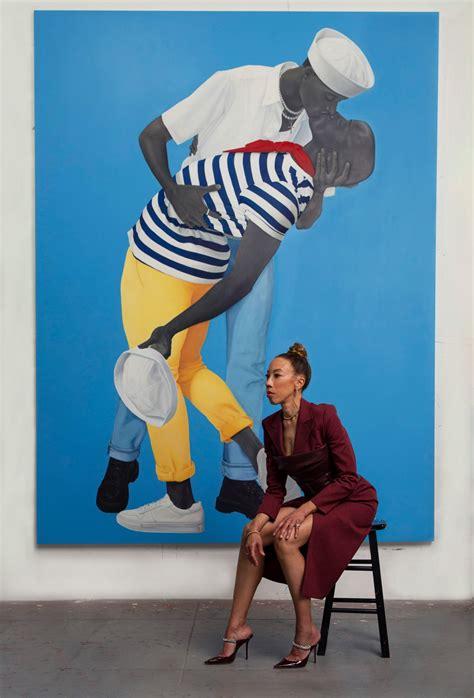
In a significant and controversial decision, the Smithsonian National Portrait Gallery has canceled the highly anticipated exhibition of Amy Sherald, a prominent contemporary artist known for her striking portraits that celebrate the African American experience. This cancellation comes amidst a backdrop of political debate surrounding one of her key works, “Trans Forming Liberty,” which addresses themes of identity and visibility within the transgender community. Sherald’s decision to withdraw the entire exhibition rather than alter its content reflects a larger cultural discourse about representation in art and the implications of federally funded institutions engaging with politically charged topics.
Amy Sherald has made her mark on the art world with a distinctive style characterized by vivid colors and poignant subject matter. Her most notable achievement includes the portrait of former First Lady Michelle Obama, unveiled in 2018, which not only highlighted her unique artistic approach but also marked a historic moment as the first official portrait of a First Lady painted by an African American artist. Sherald’s work often encapsulates themes of dignity and grace, challenging conventional narratives surrounding Black identity in contemporary art.
The painting at the center of this cancellation, “Trans Forming Liberty,” features a transgender woman adorned in a flowing blue gown and pink hair, holding a torch. This artwork was intended to symbolize freedom and the fight for visibility among marginalized communities. However, internal discussions at the Smithsonian raised concerns about the potential backlash from presenting such a politically sensitive piece in a federally funded gallery. Instead of compromising her vision by replacing the painting with a video presentation, Sherald opted to cancel the entire exhibition, emphasizing the importance of maintaining the integrity of her message and its themes.
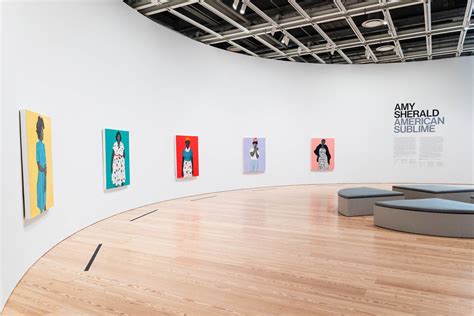
The implications of this cancellation extend beyond the walls of the gallery, affecting Washington D.C.’s tourism industry significantly. The exhibition was poised to attract a diverse audience, including art enthusiasts, historians, and those interested in the intersection of art and social issues. The Smithsonian museums are pivotal attractions in the nation’s capital, drawing millions of visitors each year. The absence of Sherald’s exhibition represents a lost opportunity for the city to showcase groundbreaking art that speaks to contemporary societal issues, particularly those concerning race, gender, and identity.
Moreover, the broader political and cultural tensions surrounding this cancellation may influence future programming decisions within Washington’s cultural institutions. Tourists seeking to engage with progressive and thought-provoking art may now feel a sense of loss, prompting questions about the direction of federally supported art exhibitions and their role in addressing complex social narratives.
Despite this setback, Washington D.C. remains a vibrant hub for art lovers and cultural tourists. The National Portrait Gallery continues to host significant American portraits, providing a rich tapestry of artistic expression that reflects the nation’s diverse history. Visitors can explore other exhibitions within the Smithsonian, such as the National Museum of African American History and Culture, which offers an immersive experience into the intricacies of Black American history and identity through a variety of artistic and historical artifacts.
For those drawn to contemporary art, Washington boasts numerous galleries and institutions that spotlight emerging artists and innovative works. Venues like the Hirshhorn Museum and Sculpture Garden and the Phillips Collection offer a wealth of exhibitions that encourage dialogue and exploration of modern artistic practices. While the cancellation of Sherald’s exhibition is undoubtedly disappointing, there remains a plethora of opportunities for travelers to engage with the rich art and culture that Washington D.C. has to offer.
Looking ahead, the future of Amy Sherald’s work is far from dim. This recent controversy may serve as a catalyst for further discussions on race, identity, and the importance of representation in art. Sherald’s portfolio is likely to continue evolving as she seeks new venues and platforms to share her powerful narratives, ensuring that her voice remains a critical part of contemporary artistic discourse. As she navigates this setback, opportunities will likely arise for her work to reach broader audiences in alternative spaces or through new exhibitions.
In conclusion, the cancellation of Amy Sherald’s exhibition at the National Portrait Gallery raises essential questions about the relationship between art, politics, and cultural representation. While it presents challenges for Washington D.C.’s cultural tourism, it also underscores the profound ability of art to provoke dialogue and challenge societal norms. For tourists planning to visit the nation’s capital, this situation serves as a reminder that museums are not merely sites for admiration but dynamic spaces where societal values are continually examined and reshaped. Art lovers can still find a wealth of meaningful experiences in Washington D.C., regardless of the controversies that may arise within the ever-evolving art world.