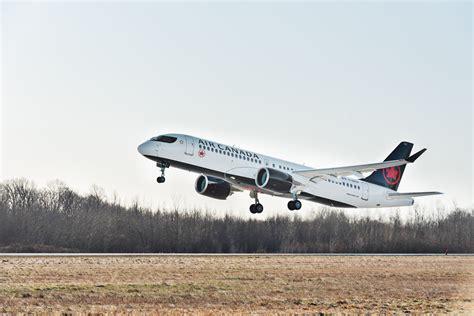
Air Canada is taking decisive action ahead of the winter travel season, announcing the suspension of five transborder routes to the United States from its primary hubs in Montreal (YUL), Toronto Pearson (YYZ), and Vancouver (YVR). This significant strategic shift comes as the airline grapples with plunging consumer demand, escalating geopolitical friction, and intensifying competition on key U.S. routes.
Air Canada’s Route Suspensions: A Calculated Cutback
The routes slated for elimination this fall include:
- Montreal to Detroit (DTW)
- Montreal to Minneapolis-Saint Paul (MSP)
- Toronto to Indianapolis (IND)
- Vancouver to Nashville (BNA)
- Vancouver to Tampa (TPA)
Each of these routes has faced varying degrees of operational or commercial challenge, prompting the airline’s decision to cease service. However, the underlying thread is unmistakably economic—a staggering 70% drop in forward bookings, coupled with growing resistance among Canadian travelers to cross the border.
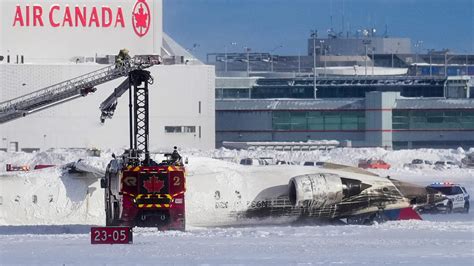
Rising Political Tensions Dampen Travel Sentiment
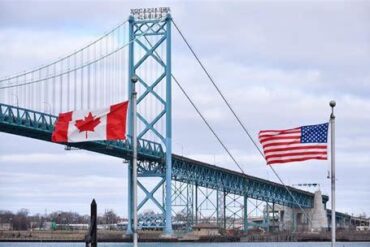
The airline’s retreat from these U.S. routes is not occurring in a vacuum. At the heart of the plunge in demand lies an increasingly volatile political climate. The Trump administration’s recent tariff escalations against Canadian imports and incendiary rhetoric—including offhand remarks about Canada becoming America’s “51st state”—have fueled a wave of nationalism and indignation north of the border.
Canadian travelers, particularly those in politically engaged urban centers like Montreal and Vancouver, have shown increased reluctance to vacation or conduct business in the United States. According to a March 2025 report by OAG, year-on-year demand for cross-border travel this summer is substantially lower than in 2024, with few signs of rebound as fall approaches.
Booking Trends Paint a Grim Picture
The statistics are stark. The OAG report notes that “bookings are down by over 70% in every month through to the end of September.” The implication is clear: even promotional fares and marketing campaigns are proving insufficient to rekindle interest. The turbulence of trade policies and diplomatic squabbles is now taking measurable form in airline passenger numbers.
Montreal Routes Face Stiff U.S. Competition
The first route to be axed is the Montreal–Detroit service, ending on September 30. Although Air Canada operated a daily flight, it faced overwhelming competition from Delta Air Lines, which offers three daily flights between the same cities. The economics of the route no longer add up, especially with current demand levels plummeting.
Similarly, the Montreal–Minneapolis service, where Delta also operates a daily flight, will be suspended on October 19. Air Canada’s presence on this route, while strategic in nature, was unable to sustain the operational costs amid declining load factors.
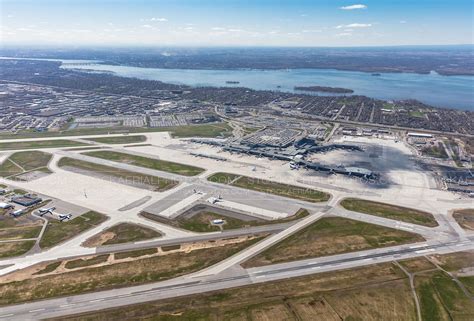
Toronto to Indianapolis: A Solo Route That Didn’t Pay Off
Air Canada’s Toronto to Indianapolis service is another casualty, with the last flight departing on October 19. Interestingly, Air Canada is the sole operator on this route, which might suggest a monopoly—but that advantage was clearly undermined by persistently weak demand. In contrast to other routes, this one’s suspension is not the result of direct airline competition, but rather the broader macroeconomic and political headwinds dampening Canadian interest in U.S. secondary cities.
Vancouver’s Seasonal Bets Don’t Pay Off
The decision to eliminate two seasonal U.S. routes from Vancouver—namely to Nashville and Tampa—is less surprising. Both routes had been flagged from the beginning as seasonal trials, aimed at capturing leisure travelers during peak demand. Air Canada confirmed that the Tampa service was operating only twice weekly, while the Nashville flights competed directly with WestJet, which still maintains seasonal connectivity on these routes.
In a statement provided to the Montreal-based travel publication Profession Voyages, Air Canada emphasized that these suspensions are not permanent. “The Vancouver-Nashville route was always intended to be seasonal, and the two weekly flights between Vancouver and Tampa have also always been seasonal,” a company spokesperson clarified. Still, the timing and scope of the cuts signal deeper concerns about transborder demand and profitability.
Air Canada’s Competitive Landscape Is Shifting
Air Canada is not operating in a vacuum. In the U.S.-Canada corridor, Delta, United Airlines, and American Airlines are all investing in frequency and pricing competitiveness, particularly in major business corridors like Montreal–Detroit. For a premium-positioned carrier like Air Canada, sustaining load factors above break-even points in a price-sensitive environment has become increasingly challenging.
Moreover, Canadian rivals like WestJet and Porter Airlines are aggressively expanding their U.S. footprints, often offering more flexible schedules or lower fare classes. In this context, Air Canada’s route rationalization appears less like retrenchment and more like a strategic repositioning for long-term profitability.
Passenger Impact and Alternatives
For travelers, the loss of direct connections will require rerouting through hub cities or switching airlines entirely. However, Air Canada reassures its customers that it will continue to serve the affected U.S. destinations indirectly. For instance, passengers looking to travel from Montreal to Detroit or Minneapolis will be rerouted via Toronto Pearson, which remains a robust transborder hub. The exception is Indianapolis, where Air Canada offers no current alternative.
The airline has already begun notifying passengers of the changes, offering full refunds or rebookings. Additionally, Air Canada stated that all five routes are currently scheduled for reinstatement in May 2026, pending demand recovery.

A Broader Commentary on Cross-Border Relations
These developments unfold against a backdrop of mounting friction in Canada-U.S. relations, extending beyond politics into cultural and commercial spheres. What was once one of the most seamless and lucrative aviation corridors in the world is now marred by protectionist policies, volatile trade dynamics, and increasingly complex immigration processes.
The airline industry, being acutely sensitive to macroeconomic and geopolitical currents, is often the first to reflect broader societal shifts. In this case, Air Canada’s strategic withdrawal from select U.S. markets underscores the tangible impact of fraying bilateral ties.
Looking Ahead: Strategic Patience or Risky Gamble?
While some may interpret these route cuts as a retreat, others see them as a form of strategic patience. By trimming underperforming routes, Air Canada frees up aircraft and crew capacity to be redeployed on higher-margin routes or in more stable international markets. The airline has already announced plans to increase frequencies to Europe and Asia, where demand has shown signs of recovery and political conditions are more favorable.
However, the bet that Canadian travelers will return in droves to these U.S. routes by 2026 carries risk. Should political conditions remain unstable—or worsen—Air Canada may find itself reassessing not just its route map, but also its broader transborder strategy.
Conclusion: Winds of Change in North American Aviation
Air Canada’s move to axe five U.S. routes is not just about numbers—it’s about navigating a rapidly evolving political and consumer landscape. With demand nosediving, competition rising, and nationalism reemerging on both sides of the border, North America’s once-bustling aviation bridges are showing cracks. Air Canada, by slashing underperforming routes and reaffirming its long-term intentions, is attempting to ride out the storm without capsizing. Whether this approach proves prescient or premature will become evident in the seasons ahead.