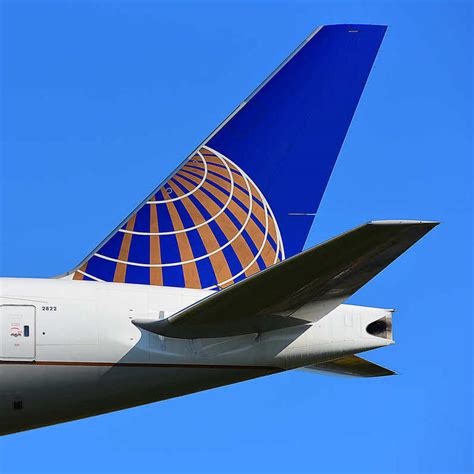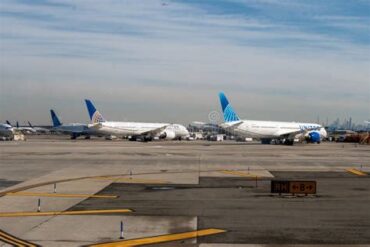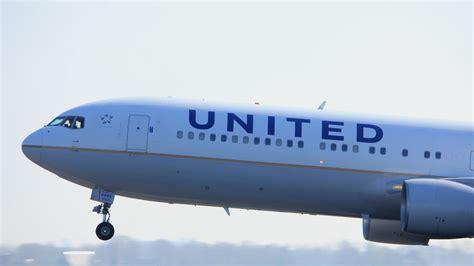
As geopolitical winds shift and passenger patterns evolve, United Airlines has announced its intention to suspend its sole remaining route to Cuba, marking a significant retrenchment in the airline’s engagement with the Caribbean nation. Starting September 2, 2025, the route between Houston George Bush Intercontinental Airport (IAH) and Havana’s José Martí International Airport (HAV) will be placed on hold, pending improvements in both political conditions and passenger demand.
The Political Backdrop: Hardline Policy Reversal
The move comes in the wake of a major foreign policy reversal under President Donald J. Trump, who signed the National Security Presidential Memorandum (NSPM) on June 30, 2025. This directive seeks to reassert Washington’s hardened stance on Cuba, undoing the previous thaw initiated during the Obama-Biden era. Trump’s memorandum specifically targets “restoring and strengthening” the U.S. government’s leverage over the Cuban regime, holding it to account for human rights abuses and demanding meaningful structural reforms.
This abrupt pivot to Cold War-era posturing has immediate ramifications for U.S. airlines. United’s Cuba operations, a symbolic foothold in normalized relations, have become collateral damage in a renewed political struggle.
United’s Historic Stake in Cuba
United Airlines’ interest in Cuba isn’t new. Back in 2016, in the wake of then-President Obama’s landmark decision to restore diplomatic and economic ties with Havana, United proposed multiple direct routes to Cuba. These included flights from Newark Liberty International Airport (EWR), Washington Dulles International Airport (IAD), Chicago O’Hare (ORD), and Houston IAH.
At the time, Steve Morrissey, United’s Vice President of Regulatory and Policy Affairs, emphasized the importance of non-Floridian access to Cuba. He highlighted the goal of facilitating people-to-people travel, a cornerstone of Obama’s travel liberalization strategy. United’s proposal was not only about tourism—it was about opening cultural channels for Americans far beyond the traditional Cuban-American stronghold in South Florida.
United’s re-entry into the Cuban market post-pandemic occurred in November 2022, with resumed commercial service from both Newark and Houston. However, the Newark leg was eventually phased out, leaving the Houston–Havana route as its lone Cuban connection.
Flight Details and Operational Scope
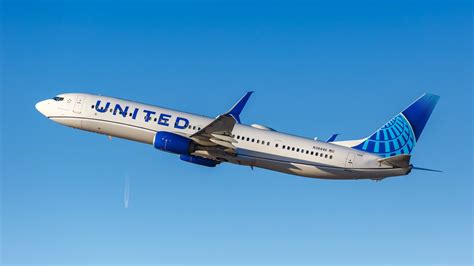
The currently suspended flights are operated on Boeing 737-800 jetliners, typically configured for short-to-medium haul travel and equipped with both economy and premium seating. Despite robust aircraft and logistical capabilities, the lack of consistent demand, coupled with policy headwinds, made the route economically unsustainable in the short term.
United’s final departure from Havana is slated for September 2, 2025, though the airline has stressed this is a suspension—not a termination. There’s a provisional clause allowing service to resume in summer 2026, contingent on improved bilateral relations and travel market conditions.
Cuban Thaw Now in Deep Freeze
The suspension is symbolic of how far relations have regressed since the so-called Cuban Thaw nearly a decade ago. The initial normalization of ties under the Obama administration had brought unprecedented enthusiasm from the aviation sector. The first commercial flight to Cuba in 55 years took off in August 2016, led by JetBlue, followed closely by American Airlines and United.
At the time, airlines scrambled to secure coveted landing slots at José Martí International Airport, while travel agencies braced for an influx of culturally curious U.S. travelers. Havana, Trinidad, and Cienfuegos became bucket-list destinations practically overnight.
But progress was uneven. Visa restrictions, payment infrastructure limitations, and weak internet access in Cuba created challenges. Political volatility also discouraged some U.S. carriers from overcommitting. United’s decision to concentrate on IAH–HAV was seen as a cautious but sustainable bet.
Shifting Demand and Tourism Trends
United’s rationale for suspending the route also stems from underwhelming demand. Post-pandemic recovery in Cuban tourism has been sluggish, exacerbated by fuel shortages, persistent inflation, and a lack of foreign investment. Moreover, American travelers are once again constrained by evolving federal guidelines on permissible reasons to visit Cuba.
The reinstated travel ban under Trump includes tighter restrictions on educational and cultural exchanges, dramatically shrinking the pool of eligible travelers. Casual tourism remains technically prohibited under U.S. law, limiting flights to those visiting for journalism, humanitarian, religious, or family purposes. This inherently suppresses demand, especially outside of South Florida, where the Cuban diaspora creates organic traffic.
The Havana Route in Context
United’s departure leaves a void in the network of non-Florida U.S. cities offering direct Cuban service. Flights from Miami, Fort Lauderdale, and Tampa still persist, largely operated by American Airlines, JetBlue, and Southwest. However, for travelers in the Midwest, Northeast, and South Central U.S., this suspension effectively isolates them from easy access to the island.
United’s charter service from Jacksonville International Airport (JAX) to Guantanamo Bay—an entirely separate operation primarily for U.S. government and military personnel—will continue unaffected.
This underscores a strange dichotomy: while governmental airlift to Cuba remains stable, commercial civilian service is retracting. The Havana connection, once a hopeful emblem of reconciliation, now serves as a casualty of conflicting agendas and fading interest.
American Airlines Also Feeling the Pressure
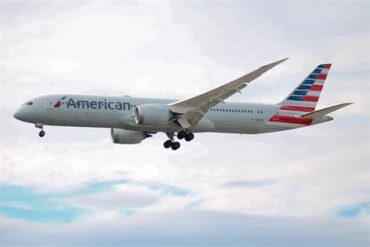
The challenges aren’t unique to United. American Airlines has also filed a request with the U.S. Department of Transportation for a waiver to reduce flights to certain Cuban cities like Santiago de Cuba, citing the need to reevaluate capacity under the new restrictions.
Though not yet confirmed, this reflects an industry-wide retrenchment from Cuba. The aviation sector, ever sensitive to regulatory headwinds, is once again playing a reactive role to foreign policy whims.

What This Means for Cuba’s Economy and Culture
This development represents more than just a canceled flight route—it signals the unraveling of a hard-won bridge between two ideologically distant nations. For Cuba, U.S. commercial air traffic is a crucial lifeline. It facilitates not just tourism, but also remittance flows, family reunification, cultural diplomacy, and humanitarian relief.
The Cuban economy, already battered by decades of sanctions, pandemic-related tourism collapses, and local mismanagement, now faces another setback. The removal of a major carrier like United diminishes the diversity of access points for Americans and limits the options for Cuban-American families seeking to connect with relatives.
United’s Broader Strategy in a Global Boom Year
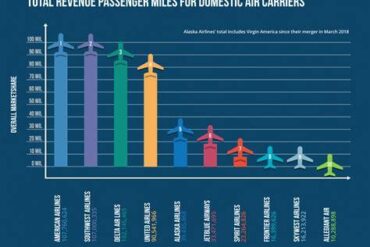
Ironically, United’s Cuba exit comes at a time when the airline is experiencing explosive international growth elsewhere. According to fleet data from Planespotters.net, United now boasts a staggering 1,040 aircraft—the largest of any U.S. carrier.
In summer 2025, United launched numerous new routes to Europe, Asia-Pacific, and even expanded in Africa, reflecting a pivot to high-yield international markets. New destinations like Osaka, Barcelona, and Accra have seen debut services, and seasonal demand is surging.
This raises an unavoidable contrast: while high-traffic, profitable routes flourish, low-demand politically fraught destinations like Cuba are axed. Airlines are businesses first, and Cuba, despite its romantic allure and cultural vibrancy, simply doesn’t stack up in the current regulatory climate.
A Nation Worth the Wait
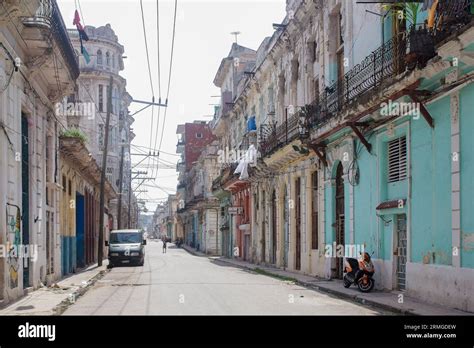
Despite the clouds of political hostility and economic stagnation, Cuba remains a cultural and natural jewel. From the timeless cobblestone streets of Old Havana to the rhythm of Casa de la Trova in Trinidad, from UNESCO Heritage sites to pristine beaches like Playa Azul, Cuba offers travelers a deeply unique and transformative experience.
Nature lovers flock to the Viñales Valley, where tobacco fields stretch under limestone cliffs, while wildlife enthusiasts marvel at endemic species like the bee hummingbird and the Mount Iberia frog. Cuisine here is as soulful as its music—mojo-marinated pork, yuca con mojo, and fresh lobster tail line Cuban dinner tables.
Cuba is also one of the safest nations in Latin America, with a remarkably low violent crime rate, and a population widely regarded as hospitable, educated, and resilient. It’s a place that demands not just attention but engagement—and hopefully, one day, reconciliation.
Outlook: A Temporary Pause or a Last Farewell?
United’s language makes it clear the door is not closed—just temporarily shut. The future of its Cuban operations rests on multiple variables: easing political tensions, rebounds in demand, and possibly a new shift in the White House after the 2026 midterm elections.
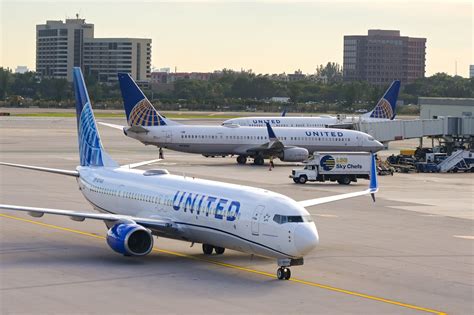
Until then, Havana will have to get by without United’s familiar blue and gold tailfins gracing its runways. For now, the dream of seamless U.S.–Cuba connectivity retreats into the clouds.