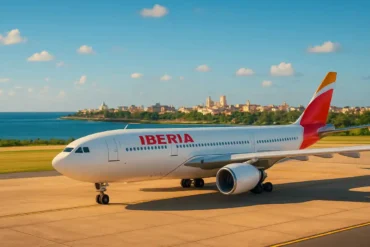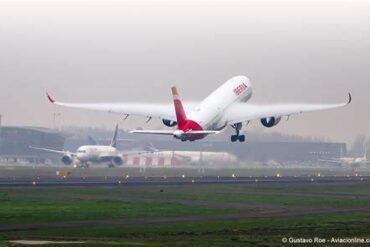
Cuba’s worsening fuel shortages have triggered another setback for international air connectivity, with Iberia temporarily abandoning its direct Madrid–Havana service for nearly five months. The suspension highlights the growing operational strain facing airlines attempting to maintain service to the Caribbean island amid shrinking fuel availability, weakening tourism demand, and mounting logistical complications.
Until late October, travelers hoping to fly directly between Spain and Cuba will lose one of Europe’s most recognizable long-haul links. The Spanish flag carrier halted operations between Adolfo Suárez Madrid–Barajas Airport and Havana José Martí International Airport beginning June 1, removing a major gateway that connected Cuba not only with Spain but with wider European markets through Madrid’s extensive hub network.
For Iberia, the decision was not sudden. The airline had already begun reducing frequency months earlier, gradually scaling the route down from three weekly flights to fewer rotations as operational realities deteriorated. Declining passenger demand compounded the challenge, reflecting broader instability within Cuba’s tourism ecosystem.
Cuba’s Fuel Supply Problems Are Reshaping Airline Operations
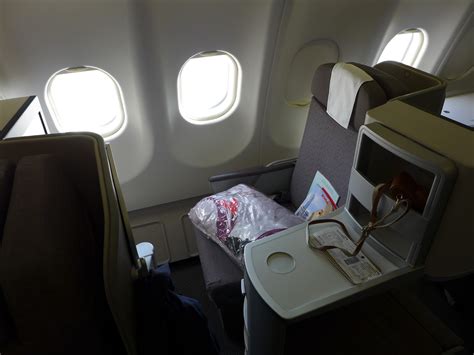
The immediate trigger behind the disruption lies in Cuba’s ongoing fuel constraints, a situation increasingly affecting transportation, infrastructure, and tourism. Airlines serving Havana have encountered practical obstacles that extend beyond economics. Aircraft require reliable refueling capabilities, and when local supply chains become uncertain, even established international routes face viability questions.
Iberia’s own operational adjustments revealed the seriousness of the problem. Since February, the carrier confirmed that return flights departing Cuba toward Madrid could no longer operate normally without additional planning. Aircraft were forced to make a technical refueling stop in Santo Domingo on return sectors, adding complexity, cost, and schedule inefficiency to a route designed for nonstop transatlantic performance.
Such measures may appear manageable on paper, but for airlines operating on narrow long-haul margins, extra fuel stops alter crew planning, increase operating expenses, complicate aircraft utilization, and weaken route profitability. When paired with declining booking demand, suspensions become increasingly difficult to avoid.
Passengers impacted by Iberia’s decision were offered rerouting flexibility through alternative gateways including Miami, Mexico City, Panama City, and Santo Domingo. However, travelers must independently manage onward transportation costs between substitute airports and final destinations, underscoring how operational disruptions often transfer logistical burdens directly onto passengers.
Europe–Cuba Air Travel Options Narrow as Airlines Reassess Risk
Iberia’s withdrawal carries weight because Madrid functions as one of Europe’s dominant aviation hubs. Losing a direct Iberia connection affects far more than point-to-point Spain–Cuba traffic. It disrupts itineraries for travelers originating throughout Europe, Africa, and parts of the Middle East that rely on Madrid’s connection ecosystem.
Yet Europe–Cuba air service has not disappeared entirely.
A limited collection of airlines continues operating routes linking European cities with Havana. Among the most notable participants is Air China, whose service between Beijing and Havana via Madrid creates an unconventional but strategically important connection. The carrier continues maintaining scheduled rotations utilizing its long-range Boeing 787 fleet.

Spanish carrier Air Europa remains active on the Madrid–Havana corridor, preserving another critical nonstop option between the two capitals. Meanwhile, Cuba’s national airline, Cubana, continues operating a mix of direct and multi-stop services using the distinctive Ilyushin Il-96, an aircraft type rarely seen in mainstream Western long-haul operations.
Elsewhere in Europe, Italian airline Neos maintains Cuba connectivity from Milan and Rome, routing selected operations through La Romana using Boeing 787 aircraft.
The shrinking but persistent network demonstrates that airlines are not uniformly abandoning Cuba. Instead, operators are recalibrating exposure, testing whether specialized demand, diaspora travel, leisure flows, or strategic market positioning can sustain service despite operational uncertainty.
Why October Marks Iberia’s Planned Return Window
Iberia’s announced restart date of October 25 is closely tied to aviation scheduling mechanics rather than arbitrary timing.
The global airline industry operates under seasonal planning frameworks established by the International Air Transport Association (IATA). Late October marks the transition from the summer schedule to the winter schedule, a period when carriers traditionally redesign frequencies, adjust aircraft deployment, and reopen seasonal routes.
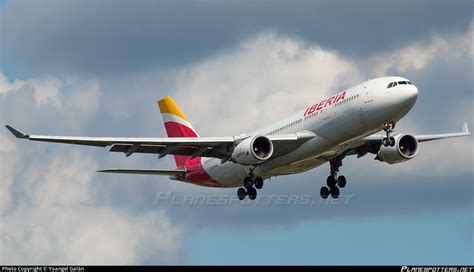
Within that structure, Iberia currently plans to restore service using its Airbus A330 fleet. Scheduling data indicates an intended return featuring multiple rotations beginning in late October, followed by continued winter operations through November and December.
However, these plans remain provisional. Aviation schedules are fluid instruments shaped by economics, geopolitics, infrastructure reliability, and consumer demand. If Cuba’s fuel availability fails to stabilize or if market demand weakens further, the planned winter comeback could face revision.
Cuba’s Tourism Industry Faces a Growing Connectivity Challenge
Behind flight suspensions lies a broader economic concern: tourism access.
International airlines function as essential infrastructure for island economies. Reduced air service means fewer seats, fewer inbound travelers, lower hotel occupancy, diminished tourism spending, and weaker foreign currency inflows.
Cuba’s tourism sector has already navigated years of turbulence marked by pandemic disruption, economic strain, and shifting travel patterns. The latest airline pullback introduces another pressure point.
Iberia’s suspension is therefore more than a timetable adjustment. It reflects how geopolitical pressure, fuel limitations, operational complexity, and market behavior can converge to reshape international aviation networks. As carriers continue evaluating the risks of serving Cuba, the future of Europe-Caribbean connectivity may depend not simply on passenger demand, but on whether airlines can reliably keep aircraft fueled, schedules stable, and routes economically sustainable.