Iberia, Spain’s flagship airline, has unveiled an ambitious roadmap for the future, introducing its long-term strategic vision known as Flight Plan 2030. With a monumental investment of €6 billion, Iberia aims to enhance profitability, expand its fleet and global network, advance sustainability initiatives, and elevate the passenger experience—all while playing a crucial role in Spain’s economic growth.
Driving Profitability Through Sustainable Expansion
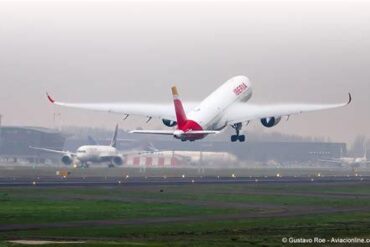
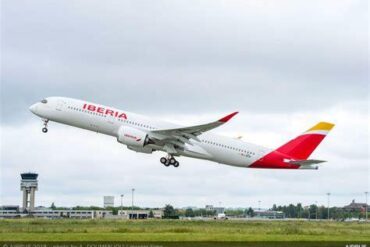
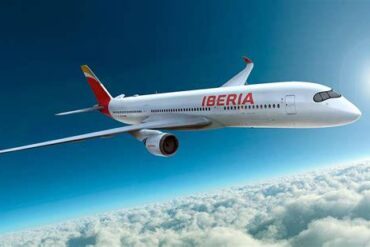
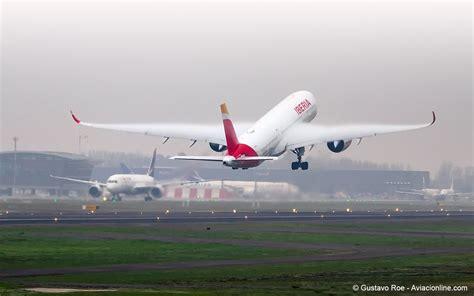
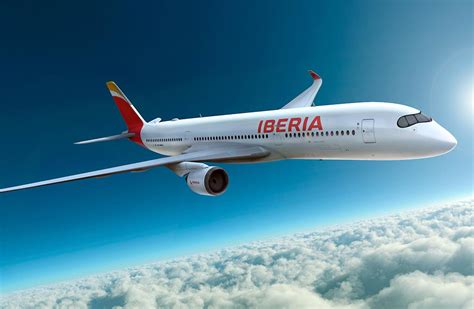
At the heart of Flight Plan 2030 lies Iberia’s commitment to achieving an annual profitability margin between 13.5% and 15%. This financial target will underpin the airline’s reinvestment strategy, allowing for a comprehensive fleet renewal, digital innovation, customer service upgrades, and infrastructure expansion. A significant portion of this investment will be dedicated to expanding Iberia’s long-haul fleet from 45 to 70 aircraft. The airline plans to incorporate next-generation widebody models such as Airbus A350s, A321XLRs, and potentially A330NEOs. These additions are part of a broader IAG order and are expected to improve operational efficiency, passenger capacity, and environmental performance.
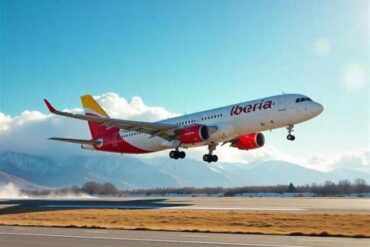
Simultaneously, Iberia will replace its aging short- and medium-haul aircraft with Airbus A320 and A321 NEO models. These aircraft offer lower emissions and fuel consumption, reinforcing Iberia’s long-term environmental goal of achieving net-zero emissions by 2050. This dual approach of fleet expansion and modernization reflects the airline’s unwavering commitment to sustainability while enhancing its competitive edge in the aviation sector.
Turning Madrid-Barajas into a Global Aviation Hub
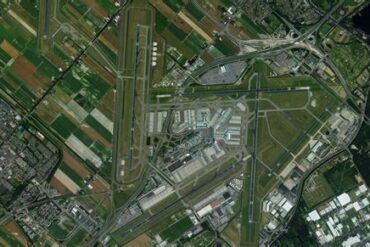
Flight Plan 2030 positions Madrid-Barajas Airport as a future powerhouse among Europe’s leading aviation hubs. With the planned increase in long-haul aircraft and strategic route development, Iberia is set to elevate Barajas’ global connectivity, linking Spain to emerging international markets. The airline’s expanding route map will include new transatlantic destinations such as Toronto, Philadelphia, and Monterrey, significantly enhancing connectivity with North America. These cities will join the recently announced routes to Orlando in the United States and Recife and Fortaleza in Brazil.
Iberia’s commitment to strengthening its presence across the Atlantic signals a broader strategy to compete with leading transatlantic carriers, attracting tourism, business, and trade between Europe and the Americas. This expansive vision not only aims to boost the airline’s profitability but also to position Madrid as a vital hub in the global aviation landscape.
Reimagining Passenger Comfort with Fully Upgraded Cabins and Lounge Experience
Customer experience stands as a central pillar of Iberia’s transformation under Flight Plan 2030. The airline will revamp 100% of its long-haul cabins, introducing more comfortable seating, improved inflight entertainment, and enhanced connectivity options. On short-haul flights, newly installed overhead XL compartments will increase carry-on luggage capacity, ensuring a more pleasant travel experience for passengers.
On the ground, premium travelers will benefit from a brand-new Premium Lounge at Terminal 4 in Madrid-Barajas. This lounge promises a sophisticated, spacious environment that reflects Iberia’s evolving luxury experience, making the airline more competitive in the premium travel segment. Furthermore, the integration of Artificial Intelligence and advanced digital technologies will offer personalized and streamlined experiences—from booking and check-in to customer service and post-flight engagement, creating a seamless journey for travelers.
Building Ciudad Iberia in La Muñoza as a Center of Excellence
Iberia’s strategic expansion includes the development of Ciudad Iberia in La Muñoza—an innovative aviation campus that will serve as the airline’s new headquarters and a hub for technological advancement. Located adjacent to Madrid-Barajas Airport, this new complex will combine administrative functions with operational, training, and research facilities, establishing a powerful ecosystem for innovation.
This ambitious project aims to become one of Europe’s leading centers for aeronautical development, driving synergies across engineering, digital systems, and aviation services. The establishment of Ciudad Iberia reflects Iberia’s long-term commitment to remain at the forefront of industry innovation and sustainable operations, positioning the airline as a leader in the global aviation market.
Supporting Spain’s Economy with Employment and GDP Contributions
With the scaling of its operations, Iberia plans to hire approximately 1,000 new employees annually over the coming years. This steady growth in employment will support the airline’s expanding fleet, routes, and infrastructure, generating significant social and economic benefits across Spain. According to projections, Iberia is on track to contribute €19 billion annually to Spain’s GDP by 2033—up from its current contribution of €13.86 billion. The airline also aims to support 250,000 direct, indirect, and induced jobs, representing a 42% increase from today’s figures.
This substantial economic impact positions Iberia as a vital engine of growth within Spain’s broader tourism, trade, and transportation sectors, highlighting the airline’s critical role in fostering economic resilience and job creation in the post-pandemic landscape.
Launching Iberia Foundation Ahead of 2027 Centenary
In a bid to reinforce its positive social footprint, Iberia will introduce the Iberia Foundation in 2027, coinciding with its centennial celebration. This foundation will focus on maximizing the airline’s social impact by supporting education, sustainability, and community development initiatives across its network. The foundation’s work will reflect Iberia’s corporate values and its intention to not only drive economic performance but also to contribute meaningfully to society in Spain and abroad.
With Flight Plan 2030, Iberia charts a bold and forward-thinking course for the next decade. From doubling down on sustainable fleet expansion and international route growth to enhancing the passenger experience and fostering socio-economic development, the airline is preparing to play a more prominent role on the global aviation stage. As it approaches its 100th anniversary, Iberia is not just looking back at a rich legacy—it’s accelerating into a dynamic and impactful future.