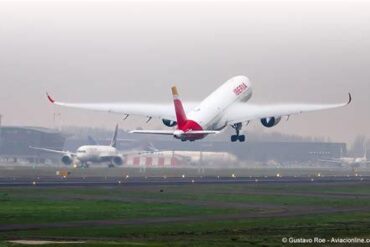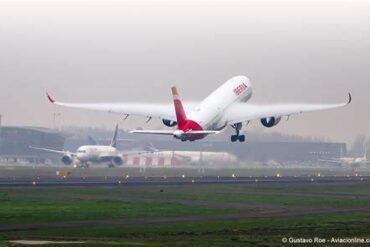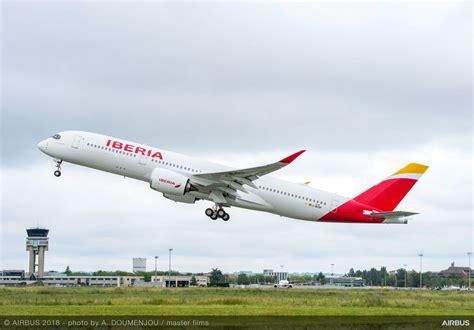
Iberia, the Spanish flagship airline, is embarking on a bold expansion strategy that encompasses a staggering €6 billion investment aimed at fortifying its presence in the competitive transatlantic aviation market. This ambitious initiative is part of its 2030 Flight Plan, which targets long-term growth through strategic route enhancements and fleet modernization. By focusing on key cities such as Orlando, Toronto, Philadelphia, and Monterrey, Iberia is not only looking to increase its flight frequency but also to enhance the overall customer experience, ensuring that it remains a preferred choice for travelers.
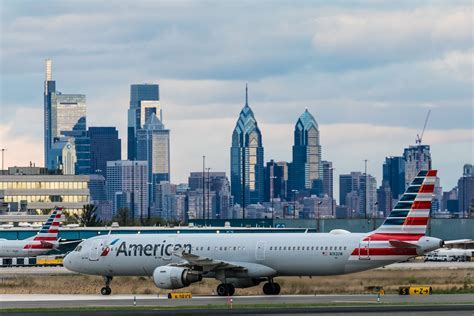
The airline’s commitment to expanding its international network is evidenced by the introduction of new routes. One of the most significant additions will be the service to Philadelphia International Airport (PHL), marking a pivotal step in Iberia’s ambitions within the United States. Although details surrounding this new route are still emerging, it symbolizes Iberia’s intent to deepen its ties with the North American market. Additionally, services to Toronto Pearson International Airport (YYZ) and Monterrey Airport (MTY) are also on the horizon, showcasing Iberia’s focus on high-demand markets in North America. The airline is also contemplating increasing its flight offerings to San Francisco International Airport (SFO), reflecting the rising demand for transatlantic services.
At the heart of Iberia’s expansive growth is the strategically planned €6 billion investment under the 2030 Flight Plan. This substantial financial commitment aims not only to broaden the airline’s network but also to maintain a robust annual profitability target ranging between 13.5% and 15%. To facilitate this growth, Iberia intends to bolster its fleet by adding 15 long-haul aircraft, thereby enhancing its capability to serve increasingly popular international routes. Madrid Barajas Airport (MAD) is set to benefit significantly from this expansion, positioning itself as a premier hub for Iberia’s operations throughout Europe. Alongside this long-haul growth, Iberia is also implementing upgrades to its short-haul fleet, ensuring a balanced and comprehensive enhancement of both regional and international routes.
One of the cornerstones of Iberia’s investment strategy is a strong emphasis on customer experience. As part of the €6 billion plan, the airline will undertake a complete renovation of all long-haul cabins, incorporating modern amenities designed to cater to the needs of contemporary travelers. Furthermore, plans are underway for the opening of a new premium lounge at Terminal 4 of Madrid Barajas Airport, which will elevate service offerings for high-value customers. The commitment to innovation extends beyond cabin upgrades; Iberia is heavily investing in digitalization to improve operational efficiency, optimize customer engagement, and streamline the overall passenger journey. Additionally, a new, modern corporate headquarters is slated for construction to support the airline’s ongoing growth and evolution.
The economic implications of Iberia’s expansion are profound, particularly for the Spanish economy. As the airline scales its operations, it anticipates hiring approximately 1,000 new employees annually, directly supporting over 250,000 jobs across various sectors. This growth trajectory is expected to generate more than €19 billion for the Spanish economy, marking a 42% increase in Iberia’s economic footprint. With an expanded workforce and improved operations, the airline aims to foster long-term revenue and profitability growth.
Looking ahead, Iberia is poised to not only launch new destinations but also increase the frequency of flights on some of its most popular routes. Recent announcements have already confirmed new services to Orlando International Airport (MCO), Fortaleza International Airport (FOR), and Recife International Airport (REC). Further new routes, including those to Philadelphia, Toronto, and Monterrey, are anticipated to follow suit. To meet the burgeoning demand on these routes, Iberia plans to deploy its Airbus A330 aircraft for long-haul flights, while also considering the use of Airbus A321XLR jets for select North American destinations. Moreover, the airline is actively exploring opportunities to enhance its services to other high-demand markets, including Santiago International Airport (SCL) and San Juan International Airport (SJU).
Iberia’s aggressive expansion strategy underscores its commitment to solidifying its position in the transatlantic market. With significant investments directed towards both fleet expansion and customer experience enhancements, the airline is well-positioned to meet the growing demand for international air travel. The bold initiatives undertaken by Iberia—including the introduction of new routes, increased flight frequencies, and comprehensive service enhancements—are set to ensure its long-term success and profitability in an increasingly competitive aviation landscape. As the airline progresses towards its goals outlined in the 2030 Flight Plan, stakeholders can expect a dynamic evolution in Iberia’s service offerings and market presence.