United Airlines is preparing for one of the most significant expansions in its history with plans for a massive new flight training center near Denver International Airport (DEN). The proposed campus is expected to transform Denver into an even more important aviation training hub while potentially supporting up to 6,000 jobs by 2030. The development reflects United’s long-term strategy to prepare for rapid fleet growth, increasing pilot demand, and the changing needs of modern commercial aviation.
The project follows approval to rezone approximately 114 acres of land near Denver International Airport, allowing United to move forward with a new training campus that could eventually exceed one million square feet. Construction is expected to begin in 2027, with operations targeted for around 2030. Instead of replacing United’s existing Denver Flight Training Center, the new facility will operate alongside the current campus, creating one of the largest airline training networks in the world.
The timing of the investment is closely connected to United Airlines’ aggressive fleet expansion plans. The carrier expects to add roughly 700 new aircraft by 2033, including advanced models such as the Airbus A321neo, Airbus A321XLR, and Boeing 787 Dreamliner. Each additional aircraft requires qualified pilots, simulator training, instructors, and operational support teams, making expanded training infrastructure essential for United’s future growth.
United Airlines’ Denver Training Campus Expansion Supports Future Fleet Growth
United’s planned Denver training center represents a major increase in aviation infrastructure at a time when airlines worldwide are facing growing demand for qualified pilots. Modern aircraft are becoming more efficient and technologically advanced, but they also require highly trained crews capable of operating increasingly sophisticated systems.
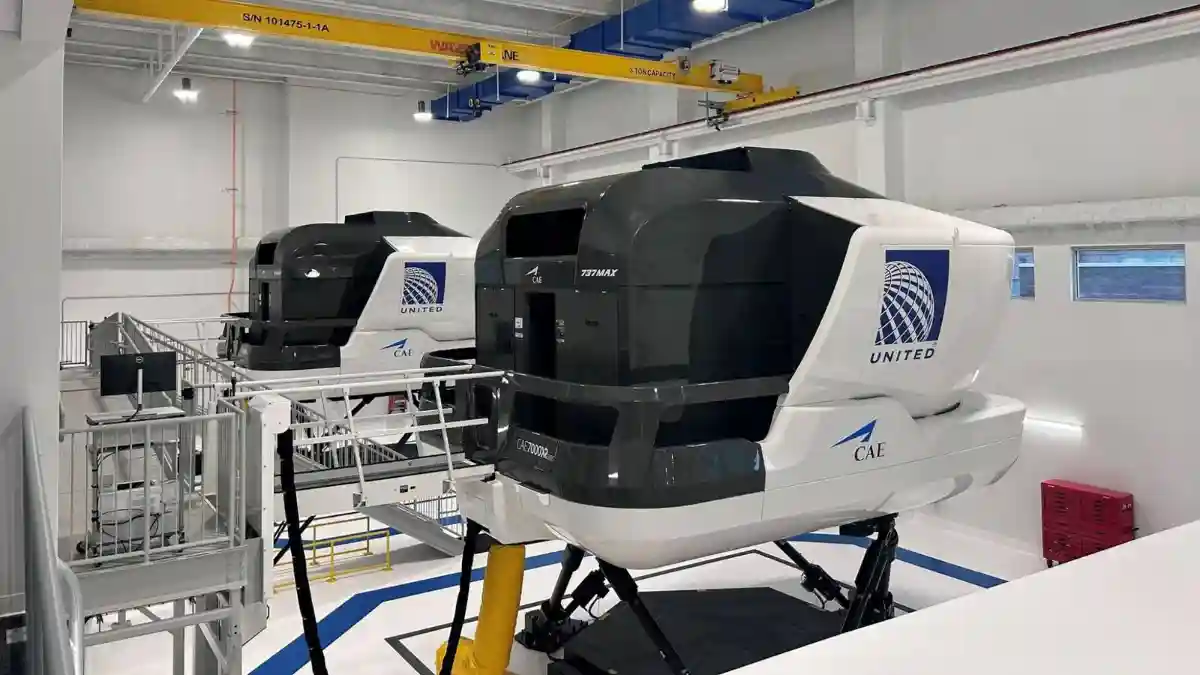
The new campus is expected to include dozens of additional full-flight simulator bays, classrooms, office facilities, and employee spaces. Current plans indicate the site could eventually accommodate up to 60 full-motion simulator bays across four separate buildings, significantly increasing United’s ability to train pilots at scale.
The airline has stated that its expanding fleet will require a “significant increase in flight training center capacity.” Simulator availability has become one of the most important limitations in airline growth because pilots must complete regular recurrent training sessions before returning to commercial operations.
Unlike traditional classrooms, airline training facilities function as complex operational environments. They require advanced simulator technology, maintenance teams, training specialists, scheduling departments, safety experts, and instructors who replicate real-world flight conditions. The new Denver campus will therefore create opportunities across a wide range of aviation-related professions.
Denver Remains the Center of United Airlines Pilot Training Operations
Denver has already become the foundation of United’s global pilot training network. The airline’s existing Denver Flight Training Center is among the largest aviation training facilities operated by any airline, and the new project will further strengthen the city’s role in commercial aviation.
In 2024, United opened a 150,000-square-foot simulator building at its existing Denver campus. The expansion increased the facility’s total size to more than 700,000 square feet across eight buildings. The current complex houses 46 full-motion simulators, with capacity for 52, and can support more than 32,000 training events annually.
Every United pilot, including the airline’s more than 18,000 flight crew members, must return to Denver for recurrent simulator training multiple times throughout their careers. This creates tens of thousands of annual visits to the city and supports local businesses, hotels, transportation providers, and aviation service companies.
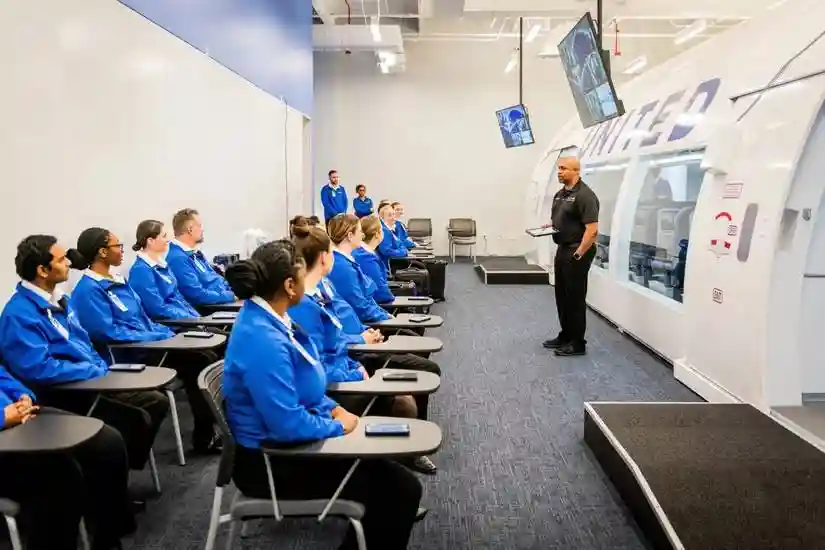
The existing Quebec Street training center will continue operating after the new campus opens. Together, the two facilities will allow United to expand training capacity while maintaining continuity for its current workforce and future pilot hiring needs.
The current training operation already employs more than 1,600 people, including instructors, flight evaluators, engineers, scheduling specialists, and administrative teams. The new campus could significantly increase employment opportunities as United builds the workforce required to support its next generation of aircraft.
Why Airline Training Infrastructure Has Become a Strategic Priority
The United Denver training center project highlights a broader challenge facing the global aviation industry. Aircraft manufacturers continue increasing production rates, but airlines must also solve the challenge of preparing enough pilots and support personnel to operate those aircraft.
A new aircraft cannot generate revenue simply after delivery. Airlines need trained pilots, available simulators, maintenance capabilities, and operational systems before the aircraft can enter regular service. As a result, training capacity has become just as important as aircraft orders.
United’s investment demonstrates how airlines are adapting to this challenge. The carrier has already committed substantial resources to expanding its overall Denver presence, including airport improvements, gates, lounges, and passenger facilities. Combined with the purchase of the new training site for approximately $33 million in 2023, the project forms part of the airline’s broader United Next growth strategy.
The strategy focuses on expanding the fleet, improving customer experience, and strengthening the infrastructure needed to support future operations. A larger training campus is a critical component because pilot availability directly affects how quickly United can grow its network.
A New Aviation Hub That Could Transform Denver by 2030
If completed as planned, United Airlines’ new Denver training center could become one of the world’s largest dedicated airline training facilities. The project represents more than a construction effort; it is a long-term investment in aviation talent, technology, and regional economic growth.
Denver is already one of United’s fastest-growing hubs, offering more than 500 daily departures and service to over 175 destinations. The expansion of its training capabilities reinforces the city’s importance within United’s global network.
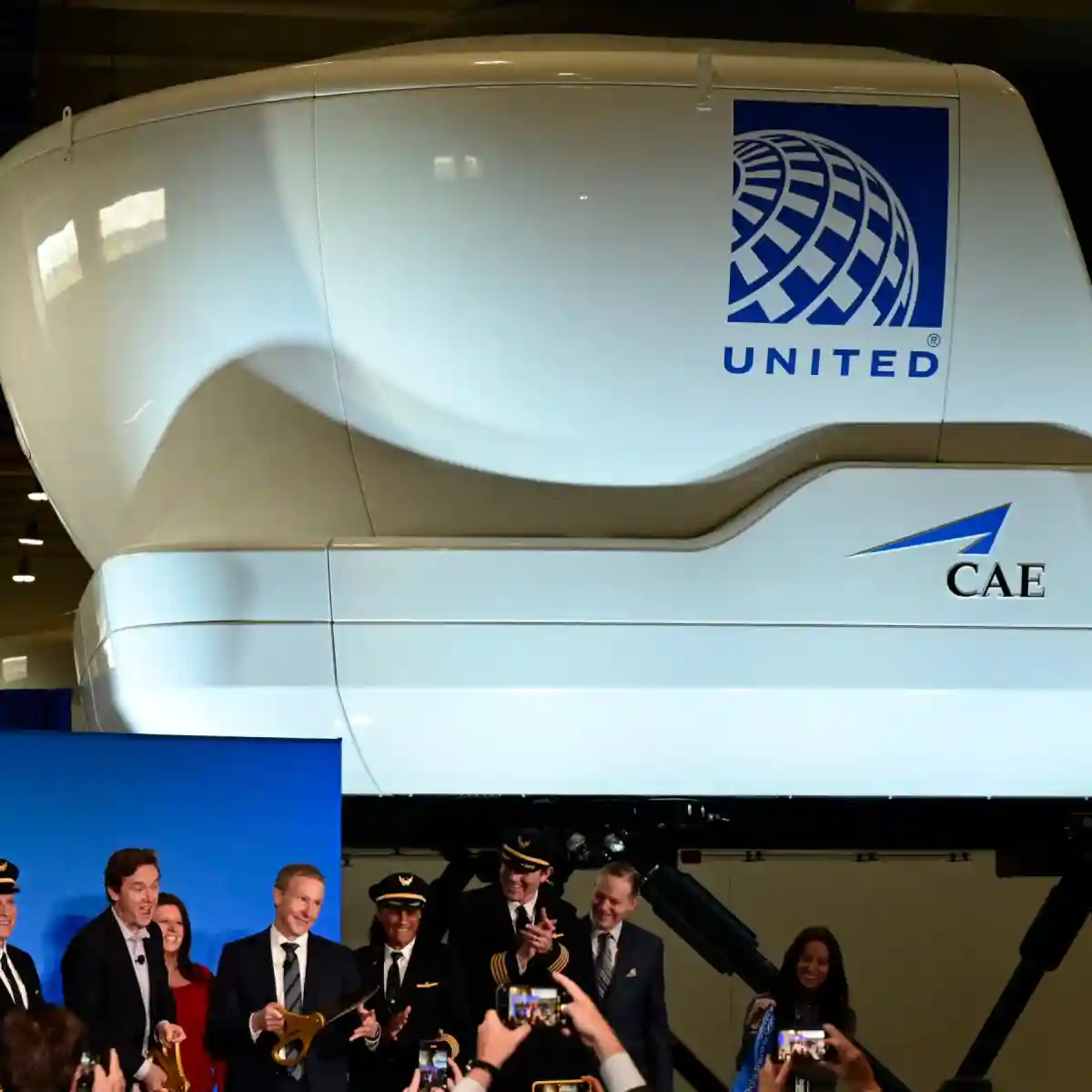
By 2030, the new campus could support thousands of jobs while ensuring United has the trained workforce needed for hundreds of additional aircraft. As commercial aviation enters a new era of growth, the ability to train pilots efficiently may become one of the most valuable competitive advantages for airlines.
United’s Denver expansion shows that the future of aviation depends not only on building more aircraft but also on building the infrastructure and workforce required to fly them.