Understanding the Cost of Becoming a Helicopter Pilot
Pursuing a helicopter license is not just a matter of skill or ambition—it is a calculated investment into a highly specialized aviation career. From the first flight lesson to advanced instructional ratings, each step in helicopter training comes with defined costs tied to rigorous standards set by the Federal Aviation Administration (FAA). In this guide, we detail the precise financial commitments required for each stage of your journey, offering aspiring aviators clarity as they navigate the economics of helicopter pilot certification.
The overall cost of becoming a helicopter pilot depends on the level of certification sought. Aspiring pilots typically progress from a Private Pilot License (PPL) to Instrument Rating (IR), followed by the Commercial Pilot License (CPL), and finally earn qualifications such as Certified Flight Instructor (CFI) and CFII to gain employment and build hours.
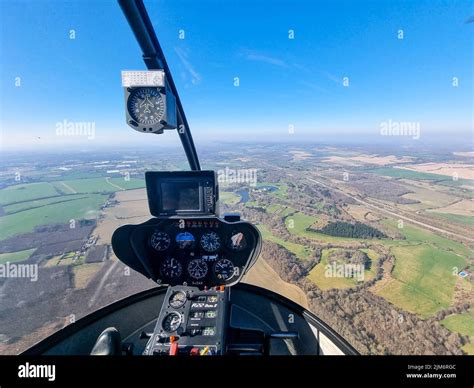
Private Helicopter Pilot License (PPL): The Foundational Investment
The Private Pilot License is the baseline for all aspiring helicopter pilots. This license allows pilots to fly recreationally but not for compensation. At this stage, pilots build essential aeronautical knowledge, perform basic maneuvers, and develop safe operational habits.
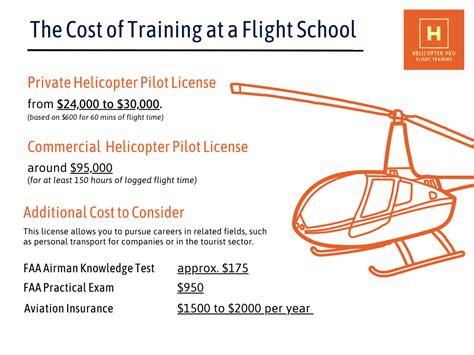
Our FAA-approved helicopter training program includes both ground instruction and flight training, tailored to meet minimum regulatory requirements. On average, completing the PPL costs $27,155, but actual expenditures may vary depending on a student’s pace and proficiency. FAA-mandated minimums include 40 flight hours, though most students require closer to 50–60 to achieve the necessary skill level.
Instrument Helicopter Rating (IR): Flying Beyond Visual Conditions
The Instrument Rating elevates a pilot’s skill by allowing flight in low visibility and weather-dependent conditions under Instrument Flight Rules (IFR). This is essential for professional-level flying, particularly in commercial and rescue operations where weather flexibility is critical.
The cost of obtaining this rating is approximately $19,180, which covers:
-
Ground instruction
-
Flight lessons
-
FAA written examination
-
Aircraft rental for training and practical tests
Not included in this estimate is the check ride examiner’s fee, which is paid directly and separately. The comprehensive training not only improves situational awareness and confidence but also prepares pilots for complex cockpit environments.
Commercial Helicopter Pilot License (CPL): The Gateway to Professional Aviation
A Commercial Pilot License marks the beginning of a helicopter pilot’s professional journey. With this certification, a pilot is eligible to be compensated for flying activities, whether for charters, aerial photography, or utility operations.
Under Part 141 regulations, the FAA requires:
-
30 hours of ground training
-
115 hours of flight time, including at least 20 hours with an instructor
Our program estimates the average total cost at $25,769, though additional training modules or flight hours may adjust the final figure. To optimize time and cost, many candidates opt for a combined commercial/instrument program, streamlining the process while reducing overall expense.
Certified Flight Instructor (CFI): Teach to Fly, Fly to Grow
Earning a Certified Flight Instructor rating is both a strategic and financial milestone. Becoming a CFI allows pilots to gain valuable flight hours—a critical metric for advancing to high-paying jobs—while earning income by training others.
To qualify for a Part 141 CFI certificate, pilots must complete:
-
40 hours of ground school
-
25 hours of flight instruction
-
A cumulative 200 hours of total flight time
The cost of our CFI course is around $13,687, offering a direct pathway to employment and skill development in educational aviation environments.
Certified Flight Instructor-Instrument (CFII): Specializing in IFR Instruction
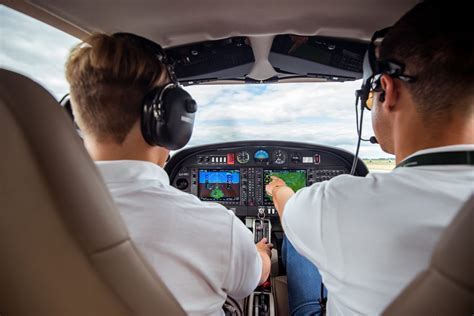
Pilots seeking to further enhance their instructional capabilities can pursue the CFII rating, allowing them to teach under instrument flight rules. This builds on prior CFI and IR experience, reinforcing both technical and educational expertise.
Our estimated cost for CFII training is $3,945, making it a cost-effective advancement for those focused on long-term careers in professional or corporate aviation training sectors.
Breakdown of Essential Costs and Additional Training Expenses
The core components of helicopter training expenses are consistent across certification levels. Each cost item reflects the intensive nature of aviation instruction, high operational costs, and the safety standards demanded by the FAA.
Key Cost Components:
-
Aircraft Rental:
-
Robinson R22 / R22 IFR: $325/hour
-
Robinson R44 (VFR & IFR): $557/hour
-
FRASCA TruFlite simulator: $98/hour
-
Instructor Fees:
-
Individual flight/ground instruction: $63/hour
-
Group ground instruction: $32/hour
-
FAA Exams and Practical Tests:
-
Written Exam: $175 (via PSI)
-
Check Ride Fees: $500 for PPL/IR/CFI; $600–$800 for COM/CFII
Medical Certification:
Pilots must hold an FAA medical certificate, with renewal frequencies based on age and license type—every 12, 24, or 60 months. These health screenings are mandatory for legal flight operation.
Registration & Application Fees:
-
$50 application fee
-
$100 student registration
-
$300 international processing fee
-
$500 refundable training deposit
-
Optional: $900 Robinson Safety Course, highly recommended for familiarization with Robinson helicopter systems and safety protocols
Financing Your Training and Building an Aviation Career
With total expenses potentially exceeding $90,000 across all licenses and ratings, helicopter flight training requires thoughtful financial planning. To support students, a range of financing options are available:
1. College Ave Career Loan:
Covers full tuition; includes streamlined application and tailored terms.
2. College Ave Parent/Sponsor Loan:
Provides family-based funding support with flexible repayment structures.
3. Pay-As-You-Go:
Unlike schools requiring lump-sum deposits, Hillsboro Heli Academy allows students to pay per lesson, offering flexibility and reduced financial stress.
4. Title IV Benefits:
While direct federal aid is unavailable, 529 savings plans, tax deductions, and student loan deferment benefits are accessible under our Title IV approved status.

Career Outlook and Long-Term Value of Helicopter Training
Beyond cost, it’s essential to understand the career potential unlocked by helicopter training. Licensed helicopter pilots are in growing demand across:
-
Emergency medical services
-
Aerial photography and cinematography
-
Law enforcement
-
Tourism and charters
-
Firefighting and utility inspection
With experience in IFR-capable helicopters and instructional ratings, pilots can earn substantial salaries, gain job security, and access roles in specialized or international operations. Long-term, this investment offers a return in both income and professional fulfillment, particularly in high-demand aviation sectors.
Frequently Asked Questions (FAQ)
How long does it take to get a helicopter license?
The timeline varies by certification. A Private Pilot License typically takes 3–6 months with full-time dedication. Completing all certifications through CFII may take 12–18 months, depending on availability and training pace.
Can I work while training for my helicopter license?
Yes, many students train part-time. However, full-time immersion often leads to faster progress. Schools like Hillsboro Heli Academy offer flexible scheduling and pay-as-you-go billing for working professionals.
Is helicopter training harder than airplane training?
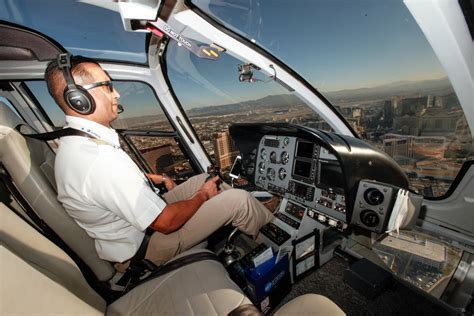
Helicopter training is often considered more technically demanding due to the complexity of rotary-wing flight dynamics. Precision hovering, low-speed maneuvering, and emergency procedures require high focus and coordination.