
The demand for helicopter rescue team jobs in California is rising steadily, driven by the state’s vast geography, frequent natural disasters, and intense need for rapid-response emergency personnel. From rugged mountains and wildfire zones to dense urban centers and coastlines, California relies on aerial professionals to provide critical support in life-threatening situations. For individuals with the right mix of technical skills, courage, and commitment to public service, this career path offers both rewarding employment and competitive compensation.
What Defines a Helicopter Rescue Team Role in California?
Helicopter rescue operations go beyond piloting. These roles encompass a broad spectrum of aeronautical, logistical, and operational responsibilities. Whether one serves as a pilot, rescue crew member, hoist operator, or ground coordinator, each position is integral to the safe and efficient execution of rescue missions. These missions often involve extracting stranded hikers from remote terrain, assisting during natural disasters such as wildfires and floods, or aiding in border patrol and counter-narcotics operations.

California’s unique terrain—stretching from the snow-covered Sierra Nevada to the sun-baked Mojave Desert—presents a range of environmental challenges that demand exceptional flying skills, acute decision-making, and coordinated teamwork. Successful candidates typically have extensive experience in low-altitude, adverse-weather, and night-time operations, alongside technical qualifications that meet stringent FAA or military equivalencies.
High-Demand Job Titles in Helicopter Rescue Operations
Job seekers exploring this field will encounter a variety of specialized roles. Notable examples currently hiring in California include:
- Helicopter Operations Specialist, PG&E (Red Bluff, CA): This role offers a salary range of $83,000 to $131,000 annually and involves full-time, on-call responsibilities. Specialists coordinate aerial patrols and support maintenance of infrastructure in remote zones.
- BK117 B2 Helicopter A&P Mechanic, Rotorcraft Support Inc. (Fillmore, CA): A technical position with earnings between $72,800 and $104,000/year, including vision, dental, health insurance, and a 401(k). Mechanics play a crucial role in ensuring mission readiness of rescue aircraft.
- Freight Manager, Thales (Irvine, CA): While not directly involved in rescue missions, this logistics role contributes to supply chain coordination for aerial operations, offering up to $112,113 per year and comprehensive benefits.
- Commodity Manager, Onboard Systems (Anaheim, CA): With salaries up to $140,000/year, this role involves procurement and vendor management for hoist and winch equipment used in aerial extractions.
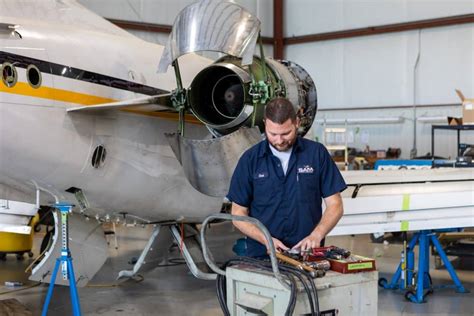
These postings reflect the diverse ecosystem of support roles needed for successful helicopter rescue missions, ranging from direct flight operations to behind-the-scenes logistics and maintenance.
Pilot Spotlight: CBP Air Interdiction Agent – San Diego
Among the most prominent roles is the Air Interdiction Agent position with U.S. Customs and Border Protection (CBP) in San Diego, CA. This federal role is deeply involved in border surveillance, search and rescue, and anti-smuggling operations.
- Salary: Starting at $106,588/year (GS-11) and rising to $182,302/year (GS-13 CAMB tier) depending on experience and assignment location.
- Flight Requirements: Applicants need 1,500 flight hours, including specific minimums for Pilot-in-Command (250 hrs), Night (75 hrs), and Instrument flight time (75 hrs). Notably, these requirements are being temporarily waived to 1,000 hours through August 2025.
- Certifications: Must hold a FAA Commercial or ATP Pilot Certificate with appropriate ratings (dual-rated pilots favored). Military equivalents are accepted.
- Duties: Pilots conduct aerial surveillance, intercept suspicious vessels, support humanitarian rescues, and coordinate with ground agents for real-time tactical response.

Applicants benefit from federal employment perks such as full medical coverage, vision and dental plans, generous retirement contributions via the Thrift Savings Plan, and paid time off. Veterans are strongly encouraged to apply, and age waivers are available up to age 40.
Required Qualifications and Career Entry Paths
Entering this field requires a combination of technical certifications, relevant experience, and physical readiness. Key qualifications typically include:
- FAA Licensure: Most rescue pilot positions demand a Commercial Helicopter Pilot License with an instrument rating. Equivalent military training is often accepted.
- Flight Experience: Cumulative flight hours must reflect proficiency in challenging conditions, including low-visibility, night, and terrain-intensive operations.
- Maintenance & Technical Training: For roles such as A&P mechanics, applicants must possess a valid Airframe and Powerplant Certification and demonstrate experience maintaining rotorcraft systems.
- Emergency Response Preparedness: Team members must excel in high-stress environments and often undergo tactical training, medical first response, and SAR (Search and Rescue) certification.
Competitive Benefits and Career Growth
A major advantage of helicopter rescue careers in California is the high pay scale and robust benefits. Even entry-level roles typically exceed $70,000/year, while specialized or supervisory roles can breach $150,000/year, especially when federal bonuses or hazardous duty incentives are factored in.
Employers such as PG&E, Rotorcraft Support Inc., and CBP offer:
- Health, dental, and vision insurance
- 401(k) or pension plans
- Paid vacation and sick leave
- Access to specialized training and certification reimbursements
Over time, helicopter rescue professionals may advance into roles like Flight Operations Manager, Training Officer, or even Aviation Program Director, especially within government or utility sectors.

Job Search Tips and Hiring Outlook
The job market for helicopter rescue personnel remains strong, with over 25 active listings across California. Major hiring centers include Los Angeles, San Diego, Red Bluff, Anaheim, and Fillmore. Candidates are advised to:
- Set up job alerts on platforms offering filters for location, experience level, and compensation.
- Prepare an aviation-specific resume emphasizing certifications, hours logged, and mission types flown.
- Connect with recruiters directly, such as by emailing CBP’s aviation hiring team or attending regional SAR conferences.
- Pursue supplemental training in areas like Night Vision Goggle (NVG) certification, EMT licensing, or wilderness navigation to stand out.
As the state continues to face climate-related emergencies and population growth in rural areas, the importance of rapid aerial response will only grow, making this an enduring and mission-critical career path.
Conclusion: Rising Above—A Career That Makes a Difference
In California, helicopter rescue team jobs blend technical mastery, adventure, and public service into a uniquely impactful profession. Whether you’re piloting into wildfire zones, coordinating supply chains for hoist systems, or maintaining critical aircraft components, this field rewards courage and competence alike. For those ready to serve at altitude, the skies over California are calling.