The aviation industry in California is an intricate ecosystem, and among its most vital operations are aircraft fueling services. These roles are not only fundamental to the safety and efficiency of air travel, but they also offer stable employment pathways with competitive compensation and benefits. As the state remains a key aviation hub—home to major international airports like LAX, SFO, and SAN—the demand for skilled workers in aircraft fueling and related services continues to rise.
This article explores the employment landscape for aircraft fuel jobs in California, including key roles, salaries, qualifications, work environments, and employers currently driving the sector.
Understanding Aircraft Fuel Jobs: Roles and Responsibilities
Aircraft fuel jobs encompass a broad range of tasks focused on the safe delivery, management, and supervision of fuel operations for both commercial and military aircraft. The scope of these roles can vary from hands-on fueling to supervisory and operational management positions.
The core duties generally include:
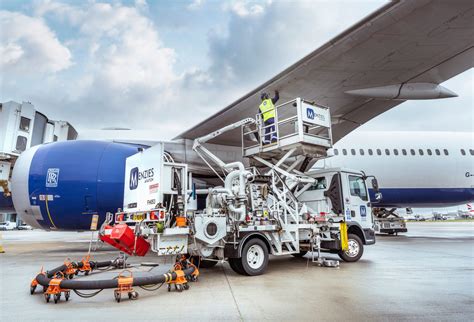
- Driving and operating fuel trucks, hydrant carts, and stationary fuel carts
- Performing aircraft fueling and defueling operations following strict safety protocols
- Reading aircraft weight and balance data to ensure accurate fueling
- Maintaining equipment and conducting daily safety inspections
- Logging fuel quantities and managing fuel transaction documentation
Most jobs require the ability to lift heavy hoses (up to 70 pounds), work in outdoor environments, and possess California Class A Driver Licenses with HAZMAT endorsements.
Top Employers and Job Locations Across California
California boasts a robust aviation infrastructure, supported by leading ground handling companies, government contractors, and aerospace maintenance providers. Key employers include:
Menzies Aviation
Operating at major airports like LAX and SAN, Menzies offers both entry-level and supervisory fueling roles. Salaries range from $20.25 to $24.68 per hour, with opportunities for advancement and full benefit packages, including 401(k), vision, dental, and paid time off.
Kay & Associates, Inc. and Amentum
These employers focus on military aircraft support in areas like Oceanside and San Diego, offering jobs such as Aircraft Workers. These positions often require knowledge of fuel cell entry, aircraft turnaround inspections, and rotor system tie-downs. Pay rates can reach $34.62 to $46.46 per hour, depending on experience and security clearance.
PKL Services, Inc. and V2X
Located in China Lake and Coronado, these companies hire mechanics and aircraft fuel technicians involved with E-2, C-2, and V-22 aircraft. Hourly wages for these roles range from $39.24 to over $90,000 annually in salaried positions.
Work Conditions and Physical Requirements
Aircraft fueling professionals must be prepared for physically demanding work in fast-paced, high-security environments. Whether servicing an international commercial jet or a military aircraft on a flight line, fuelers are expected to:
- Endure long hours outdoors in varied weather conditions
- Work nights, weekends, and holidays as required by flight schedules
- Pass DOT physicals, drug screenings, and security background checks
- Perform tasks involving bending, overhead lifting, and confined space entry
Despite the demanding nature of the job, the compensation and benefits reflect the responsibilities, especially when working for federal contractors or major airport service providers.
Salary Ranges and Career Advancement
Salary expectations in the aircraft fueling industry vary based on location, employer, experience level, and certifications. Entry-level fuelers generally earn:
- $20.25/hour at regional hubs like San Diego International Airport
- Up to $24.68/hour at LAX, including night/weekend differentials
Mid-level to supervisory roles can command higher wages:
- Aircraft Fueling Supervisors at SFO or PrimeFlight Aviation earn up to $28.50/hour
- General Managers of Ground Operations (e.g., AvBase San Jose) earn $160,000–$190,000/year
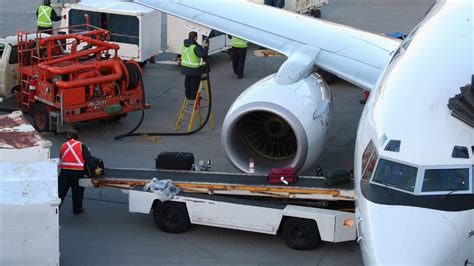
Career progression is achievable through certifications, experience, and internal promotions. Companies like Menzies Aviation promote from within, offering advancement to Lead, Supervisor, and Manager roles.
Essential Qualifications and Certifications
Candidates pursuing aircraft fuel jobs in California should meet these minimum requirements:
- Minimum age: 18 years old
- Driver’s license: Valid California Class A with HAZMAT endorsement
- Physical fitness: Ability to lift 70 lbs, pass medical tests, and drug screening
- Language proficiency: Must speak, read, and write fluent English
- Flexible schedule: Willingness to work irregular hours and weekends
- Security clearance: Must pass airport AOA driver’s test and obtain US Customs seal if required
While prior experience in aviation fuel handling or the oil and gas sector is preferred, many positions offer paid training for new hires.
Notable Specializations Within Fuel Operations
While general fueling roles are common, some job opportunities allow for niche specialization in:
- Fuel quality control inspections
- Aircraft fuel system fabrication and repair (common in military contracts)
- Hydrant fueling systems operation
- Confined space fuel tank entry and sealing
- Supervision and operational logistics
These specializations often lead to higher pay scales, and are particularly valued by defense contractors and large airport service companies.
The Strategic Importance of Fuel Jobs in California’s Aviation Sector
Fueling professionals form the backbone of aviation safety and reliability. Each fueling operation must be precise, regulated, and coordinated within tight schedules—especially at major hubs like LAX, which handles over 88 million passengers annually. A single miscalculation can cause delays, emergencies, or worse. As such, fuelers are not just laborers—they are highly trained aviation support specialists.

California’s vast and complex aviation network—ranging from private charter firms in Burbank to military installations in San Diego—requires a steady influx of skilled talent. As airlines and defense departments modernize their fleets, the need for technicians versed in advanced fuel systems is only expected to grow.
Conclusion: A High-Value, High-Responsibility Career Path
The demand for aircraft fuel professionals in California reflects the state’s dynamic aviation infrastructure and the global significance of its airports. Whether pursuing a hands-on fueling job at a commercial airport or a specialized position maintaining fuel cells in military aircraft, these roles offer a resilient career path with strong compensation, training, and upward mobility.
Those considering entry into this field should prepare for intensive training, maintain a flexible schedule, and stay up to date with safety regulations and certifications. In return, they’ll join an elite group of professionals essential to keeping aircraft—and the aviation industry as a whole—running smoothly and safely.