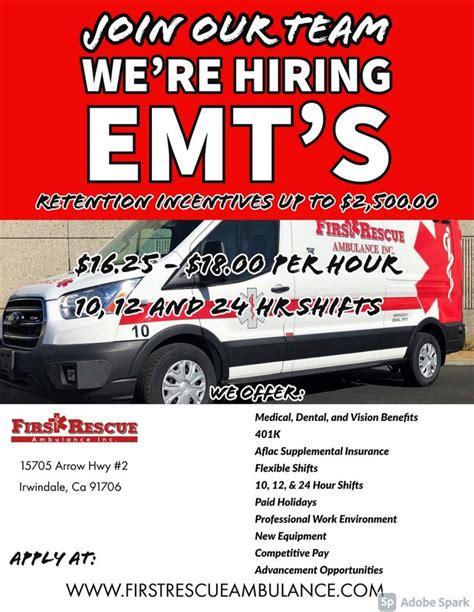
Ambulance operator positions across California represent one of the most critical yet often underappreciated roles in the healthcare and emergency response industries. With a growing population, frequent emergencies ranging from wildfires to urban incidents, and a rising demand for prompt medical attention, ambulance operators serve on the frontline of California’s public health system.
The employment landscape for ambulance operators in California is diverse and offers a range of opportunities across public agencies, private EMS companies, municipal fire departments, and healthcare networks. Candidates entering the field are not just drivers — they are highly trained professionals responsible for patient safety, emergency care support, and rapid response coordination.

Growing Demand and Regional Employment Trends
California’s healthcare infrastructure is one of the largest in the United States, with metro regions such as Los Angeles, San Francisco Bay Area, and San Diego seeing sustained demand for emergency medical services. The state’s varied geography — from dense urban zones to sprawling rural counties — creates unique employment niches for ambulance operators. In Los Angeles, for instance, companies like MEDREACH AMBULANCE offer full-time roles with competitive benefits, including tuition reimbursement, referral programs, and health plans, starting at $17.50 – $20.00 an hour. Meanwhile, municipal employers like the City of Anaheim offer licensed paramedic operator positions ranging between $18.00 – $19.10 an hour, often with overtime and public pension benefits.
Salary Overview and Compensation Structures
Ambulance operator salaries in California reflect the complexity and urgency of the role. Compensation can vary dramatically based on location, employer type, and licensure level:
- Entry-Level EMTs typically earn between $17.50 and $25.00 per hour.
- Licensed Paramedic Operators often command between $31.25 and $59.84 per hour, particularly in higher-cost areas like Alameda or North Hollywood.
- Annualized earnings for full-time roles range from $43,800 to $84,672, factoring in overtime, on-call shifts, and hazard pay where applicable.
Additional compensation is commonly offered through 401(k) matching, vision and dental insurance, flexible spending accounts, and sometimes food/snack provisions in the field, especially from EMS companies like LifeLine Ambulance.
Required Qualifications and Licensing Standards
California maintains stringent licensing and training standards for all ambulance operators. To be eligible, candidates must typically possess:
- A valid California EMT or Paramedic License
- Ambulance Driver Certificate (issued by the DMV)
- Current CPR certification
- Medical Examiner’s Certificate
Advanced positions, especially in municipal fire departments or cities like Ukiah, often prefer candidates with fire academy training, ICS/NIMS certifications, or additional hazmat competencies. The regulatory oversight by agencies such as EMSA (Emergency Medical Services Authority) ensures that operators maintain high professional standards and operational readiness.
Nature of Work and Shift Expectations
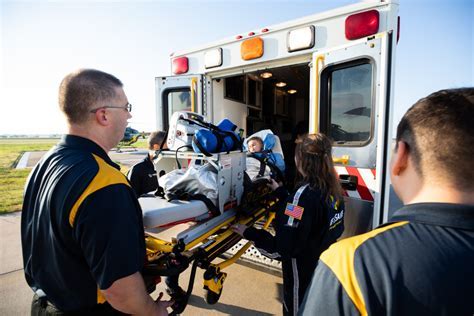
Ambulance operator jobs demand both physical stamina and psychological resilience. A typical workday involves responding to emergency calls, operating advanced medical vehicles, assisting EMTs or paramedics with on-site patient stabilization, and ensuring safe transportation to medical facilities. The job may also include inter-facility transfers, standby at public events, or coordinated disaster response.
Shifts can be intense and vary by employer:
- 12-hour shifts are common in rural and suburban areas.
- 8 to 10-hour shifts are standard in dense urban regions.
- On-call rotations and overtime may be mandatory, particularly during natural disasters or public health crises.
Employers such as the City of Ukiah offer both full-time and on-call operator/EMT positions, with hourly pay reaching up to $37.99 and annualized salaries surpassing $75,065.
Career Progression and Related Roles
The ambulance operator role often serves as a gateway to broader careers in public safety and healthcare. With experience and additional training, professionals can move into:
- Paramedic or Advanced EMT roles
- Firefighter/EMS hybrid positions
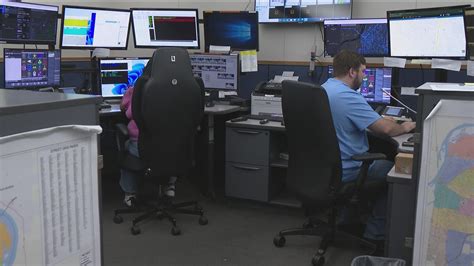
- Dispatcher or communications officer roles
- Flight paramedic or critical care transport positions
- Field training officer or EMS supervisor roles

Several employers — such as Falck Northern California and OneLegacy in Azusa — offer tuition reimbursement, loan forgiveness, and mentorship programs to facilitate upward mobility in this sector. This not only incentivizes continued education but also contributes to long-term retention.
Top Employers Hiring Ambulance Operators in California
Based on current listings and employer demand, some of the most active recruiters include:
- City of Anaheim: Offers both full-time and part-time licensed paramedic positions with city-level benefits.
- Falck Northern California: Known for its competitive wages (up to $59.84/hr) and full-time paramedic positions.
- City of Ukiah: Frequently hires for EMT and ambulance operator roles on both full-time and on-call bases.
- MEDREACH AMBULANCE: A Los Angeles-based private EMS firm with flexible scheduling and career growth support.
- LifeLine Ambulance: Notable for its team culture and robust support services, including wellness perks and continuous education.
Job Outlook and Future Trends
The California EMS labor market is projected to grow steadily in the next decade due to increased urbanization, aging population, and climate-induced emergencies. Ambulance operators are likely to experience increasing call volumes during wildfire seasons, heatwaves, and public health events.
Additionally, technological integration — such as GPS-enabled fleet coordination, real-time dispatch systems, and mobile patient care records — is reshaping the operational environment. Operators will need to be tech-savvy and adaptable to evolving tools that improve efficiency and patient outcomes.
Conclusion
Becoming an ambulance operator in California is more than a job — it is a public service career with real impact. With competitive pay, a wide array of employer options, and strong prospects for advancement, this role continues to attract individuals committed to emergency care and patient support. For those ready to navigate high-pressure environments, deliver compassionate service, and remain on the cutting edge of emergency response, the opportunities across the Golden State are not only abundant but deeply meaningful.
Professionals seeking to enter or grow within this field are advised to pursue licensing promptly, craft a professional resume tailored to the EMS domain, and remain informed about employer updates and job postings through platforms like Indeed, municipal websites, and regional EMS recruitment boards.