For many aspiring aviators, the journey toward a Private Pilot License (PPL) begins not with flight, but with a single question: “How old do I have to be to start flying?” The answer is more nuanced than a simple number. It involves a careful balance of legal regulations, maturity, training opportunities, and financial planning. In this guide, we unpack every detail to help you or your child take the right steps toward the skies.
Minimum Age Requirements for Pilot Licenses in Canada
In Canada, governed by Transport Canada regulations, the minimum age to obtain a Private Pilot License (PPL) is 17 years old. However, this doesn’t mean you have to wait until your 17th birthday to start your aviation journey. In fact, training can begin much earlier, with many students starting flight lessons and ground school in their early teens.
Important Age Milestones
- 12–14 Years Old: No legal restrictions on dual flight instruction. Some begin ground school and introductory flights.
- 14–15 Years Old: Legal minimum for glider solo flight in Canada (at 14) and some advanced ground training.
- 16 Years Old: Minimum age for solo flight in a powered aircraft with a Student Pilot Permit.
- 17 Years Old: Legal minimum age to hold a Private Pilot License (PPL).
How Early Can Training Start?
While the license itself cannot be issued until 17, the reality is that aviation education can and should start much earlier. Young students as early as 12 years old have reported beginning their journey with discovery flights or informal lessons. The earlier you start, the more time you have to build foundational knowledge and adapt to the pace of training.
Some instructors recommend starting ground school around age 15 or 16, ideally 2–3 months before turning 17 if the goal is to earn the license shortly after becoming eligible. This timing allows students to accumulate flight hours and study while still focusing on school responsibilities.
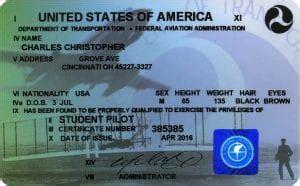
The Role of the Canadian Student Pilot Permit
A crucial step before solo flight is obtaining the Student Pilot Permit. This document allows the student to fly solo under supervision once they have met several requirements:
- Minimum age: 14 for gliders; 16 for airplanes
- Valid Category 3 Medical Certificate
- English proficiency and background checks
- Recommendation from a flight instructor
Holding a Student Permit doesn’t mean the student is licensed, but it is an essential milestone that opens the door to real-world solo experience.
Building a Path to the PPL: Study, Practice, and Persistence
There is a broad consensus among experienced pilots that early and consistent engagement is key to becoming a skilled aviator. The Canadian PPL requires a minimum of 45 flight hours, including at least 17 hours dual instruction and 12 hours solo, but most students exceed this before qualifying for their flight test.
Beyond the numbers, it’s the quality of training, repetition, and exposure to diverse flying conditions that develop true proficiency. One of the best practices includes flying twice a week, especially in the final stretch before attempting the checkride.
Ground School Before Air School
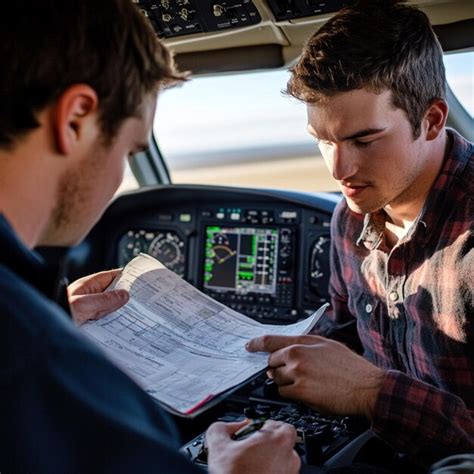
Many seasoned instructors advise starting with ground school — a theoretical course covering meteorology, air law, navigation, human factors, and more. Ground school can be attended in-person or online and is a prerequisite for writing the Transport Canada written exam.
The earlier this begins, the more confident and informed a student will be when stepping into a cockpit. It’s also a cost-effective way to confirm interest before investing heavily in flight hours.
Cost Considerations and Financial Planning
Learning to fly is a significant financial investment, with costs typically ranging from CAD $12,000 to $18,000 for a full PPL, depending on the location, flight school, and aircraft type. It’s crucial to plan for:
- Upfront fees (e.g., medical exam, flight bag, logbook)
- Flight time billed by the hour (pay-as-you-go options available)
- Exam fees and books
- Ground school tuition
Some students offset costs by working at flight schools — cleaning aircraft or assisting instructors in exchange for discounted lessons. Others save by avoiding long breaks between flights, which tend to cause skill regression and extend training.
Choosing the Right Age Based on Life Stage
There is no single “best” age to begin flight training. Some start in their teens, while others pursue a lifelong dream in their 40s or 50s. Each path brings its own advantages.
Teens (16–18)
- Pros: Quick learning curve, flexible schedules, early career start
- Cons: Financial dependency, school commitments
Young Adults (18–25)
- Pros: Strong cognitive skills, independence, career-focused
- Cons: Balancing university or work
Mid-Life (30–50)
- Pros: Financial stability, discipline, deeper motivation
- Cons: Time constraints, slower reflex adaptation
University Flight Programs and Career Goals
For those pursuing aviation as a professional career, some Canadian universities offer integrated flight programs that combine academics with pilot certification. Students may earn credits for a PPL but must still complete transitional training that meets Transport Canada’s commercial licensing requirements.
Such programs require early planning and high academic performance. They also typically cost more upfront but can lead to accelerated commercial careers.
The Importance of Maturity and Commitment
Regardless of age, success in flight training requires maturity, dedication, and persistence. The discipline to maintain regular practice, study diligently, and learn from mistakes is what separates average pilots from exceptional ones. Those who succeed are not always the most gifted or youngest — they are simply the most committed.
Many instructors report that age alone is a poor predictor of success. Some teens show tremendous discipline and focus, while some adults struggle to balance their training with work and family responsibilities. The key is not how old you are — it’s how ready you are to learn and persevere.
Practical Tips for Getting Started
- Book a discovery flight to experience flight training firsthand.
- Start ground school early to build foundational knowledge.
- Get your medical exam as soon as you’re eligible (Category 3).
- Fly regularly, ideally twice a week to maintain momentum.
- Ask for detailed breakdowns of costs from flight schools.
- Commit to continuity — avoid long training gaps.
- Join youth aviation groups for mentorship and community.
Conclusion: When Is the Right Time to Fly?
While the legal age to obtain a Private Pilot License in Canada is 17, the aviation journey can — and often should — start much earlier. Aspiring pilots can begin ground school in their early teens, solo at 16 with a Student Permit, and prepare for the full PPL by 17. The ideal age depends on maturity, finances, time availability, and personal drive. What truly matters is having a clear plan, strong mentorship, and consistent commitment.
In aviation, age is just one factor. The sky welcomes those who are ready, prepared, and passionate.