Understanding the Reality Behind Getting a Pilot License
Earning a Private Pilot License (PPL) is one of the most rewarding achievements in aviation. However, many aspiring aviators ask the same fundamental question: is it hard to get a pilot license? The answer lies not in the bureaucratic minimums, but in the nuanced, demanding, and sometimes unpredictable journey every student pilot undertakes.
At its core, acquiring a PPL means transforming from a passenger to a proficient, safety-conscious pilot. The Federal Aviation Administration (FAA) outlines the legal minimum flight time required—40 hours—but this figure can be deceiving when taken at face value.
Minimum Requirements Are Not the Norm
The FAA mandates that candidates log at least 40 flight hours to qualify for the private pilot checkride. However, this minimum is rarely sufficient in real-world training environments. The 40-hour rule exists to ensure a base level of exposure to flight conditions, but it does not guarantee competence, confidence, or readiness.
To break it down, these 40 hours must include:
-
20 hours of dual instruction with a certified flight instructor (CFI)
-
10 hours of solo flight time, including:
-
Solo cross-country
-
Night flying
-
Basic instrument training
These thresholds are not isolated benchmarks. They integrate with a broad syllabus involving aeronautical decision-making, emergency procedures, radio communication, and complex maneuver execution.
Why Most Students Fly 60 to 100 Hours Before Checkride
While 40 hours is the regulatory minimum, the actual average among students is between 60 and 100 hours before they are deemed ready for the checkride—a practical test and oral exam administered by a Designated Pilot Examiner (DPE). Several interlocking variables explain why the true preparation time is significantly higher:
Learning Curve and Retention
Each individual approaches flight training with a unique background, cognitive style, and confidence level. Mastery in aviation comes not from simply logging hours, but from deeply internalizing aeronautical skills. Tasks like stall recovery, emergency landings, crosswind takeoffs, and VFR navigation require repetition and reflection, especially when compounded by weather delays and scheduling limitations.
Geographical and Weather Constraints
Students training in regions with frequent inclement weather or high air traffic density may see slower progress. A week of rain or low ceilings can pause solo progress or cross-country milestones, extending the total timeline. Mountainous terrain or coastal winds may also introduce more complex airspace scenarios.
Instructor Quality and Continuity
The CFI-student relationship is a critical success factor. A highly experienced, methodical instructor who adapts to the student’s pace will likely guide them to proficiency faster. Conversely, changing instructors mid-training or working with part-time CFIs can lead to inefficiencies and repeated lessons.
There Is No “Magic” at 40 Hours
The 40-hour benchmark has become a misleading myth. Students do not experience a sudden transition into pilothood at hour 40. Instead, readiness is determined by a continuous assessment of their skill, maturity, and situational awareness.
Instructors track progression through detailed lesson plans. They evaluate more than just mechanical aptitude—they assess decision-making, pattern recognition, and risk management. Only when all these competencies align will an instructor endorse the student for the checkride. In many cases, this endorsement doesn’t come until hour 70, 85, or even 100.
Trust in the instructor’s judgment is paramount. Rushing through training in pursuit of hitting 40 hours may result in a failed checkride or, worse, dangerous flying habits. It’s not about reaching a number—it’s about becoming a safe, adaptable aviator.
Financial and Time Commitment Realities
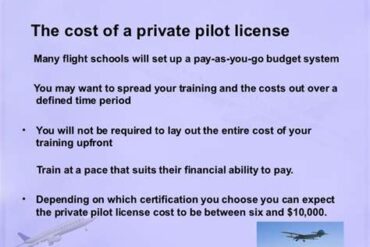
One of the core reasons students ask if getting a pilot license is hard comes down to cost and time. Training is an investment. Depending on the region and flight school, the total cost for a PPL can range from $8,000 to $18,000.
This figure includes:
-
Aircraft rental fees (typically billed per hour)
-
Instructor hourly fees
-
Ground school materials or courses
-
Headsets, charts, kneeboards, and logbooks
-
Checkride and knowledge test fees
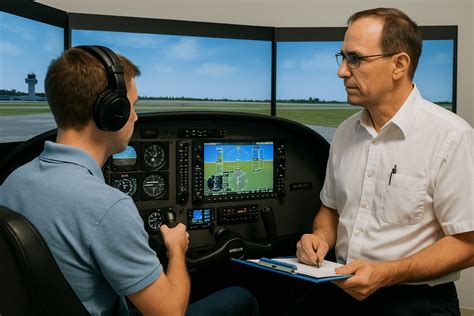
Students with full-time jobs or family responsibilities often train part-time, flying 2–3 sessions per week. In this case, it may take 8 to 12 months to reach checkride readiness. A full-time student flying 4–5 times per week might complete training in as little as 3–4 months.
Cognitive and Emotional Demands
Earning a PPL is not just physically demanding; it is cognitively and emotionally taxing. Students must:
-
Memorize FAA regulations and airspace classifications
-
Plan and execute multi-leg cross-country flights
-
Stay calm during simulated emergencies
-
Master radio communication with Air Traffic Control (ATC)
-
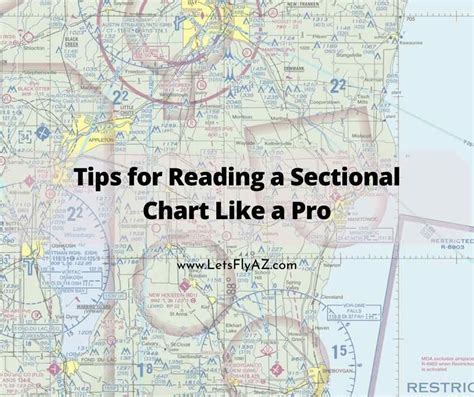
Analyze weather reports (METARs, TAFs) and make go/no-go decisions
Flying requires constant situational awareness, split-second decision-making, and confidence under pressure. Those unprepared for these emotional loads may find the training stressful.
Checkride: The Final Hurdle
Once the instructor signs off, the student must pass a FAA checkride, which includes:
-
A 2–3 hour oral exam, covering weather, regulations, navigation, and aircraft systems
-
A flight test demonstrating maneuvers such as steep turns, slow flight, landings, emergency procedures, and navigation
The checkride is rigorous, and examiners are trained to identify pilots who can fly safely without supervision. It is not uncommon for applicants to fail a portion, and retesting is required before licensure. Preparation must be comprehensive, not just compliant.
Yes—and rightfully so. The journey to becoming a pilot demands commitment, discipline, and humility. While the basic FAA requirement seems achievable, the real training lies in repetition, reflection, and embracing the unpredictable nature of flight. It’s not just about learning how to fly—it’s about becoming someone worthy of flying.
Frequently Asked Questions (FAQ)
How long does it typically take to earn a private pilot license?
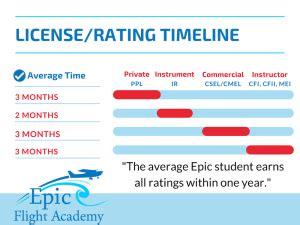
Most students take between 6 to 12 months to earn a PPL, depending on weather, scheduling, and training frequency. A full-time student flying multiple times per week might finish in 3–4 months.
Can I get a pilot license in exactly 40 hours?
Technically yes, but in practice, very few students are proficient and prepared by the 40-hour mark. Most require 60–100 hours to fully meet all requirements and pass the checkride.
Is it worth the time and money to get a PPL?
Absolutely. A PPL opens up new travel possibilities, enhances confidence, and lays the foundation for future ratings. Many find the personal satisfaction and sense of achievement to be well worth the cost.