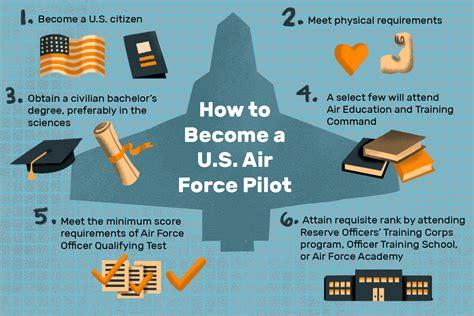
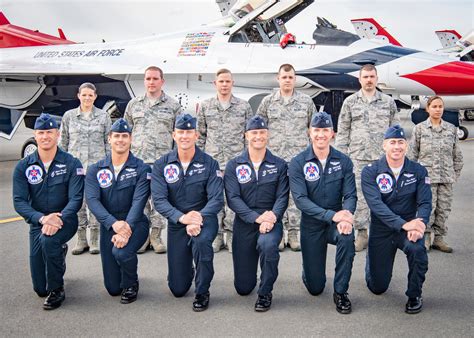
Becoming a fighter pilot in the U.S. Air Force is one of the most demanding and prestigious paths in military aviation. It requires rigorous training, physical excellence, and exceptional mental resilience. Only a select few make it through the intense selection and training process to earn their wings and fly the most advanced combat aircraft in the world. This article explores the step-by-step journey to becoming a fighter pilot, from initial qualifications to advanced training and final aircraft selection.
Physical and Medical Requirements
The first hurdle for aspiring fighter pilots is meeting strict physical and medical qualifications. Unlike other military roles, fighter pilots must meet precise health standards, as any deficiency could compromise their ability to operate high-performance aircraft.
- Age Limits: Candidates must commission by age 30 in the Air Force (27–27.5 for Navy and Marines). Age waivers are possible but rare.
- Vision Standards: Minimum uncorrected vision of 20/70, correctable to 20/20. Deterioration over time is permissible after commissioning.
- Medical Disqualifiers: Conditions like asthma, ADHD, past surgeries with lingering effects, or color blindness can prevent qualification.
- Security Clearance: Candidates must be eligible for a Top Secret (TS/SCI) security clearance, requiring a clean background check.
The Department of Defense Medical Examination Review Board (DoDMERB) conducts strict medical evaluations before candidates are allowed to proceed further.
Commissioning: The Path to Becoming an Officer
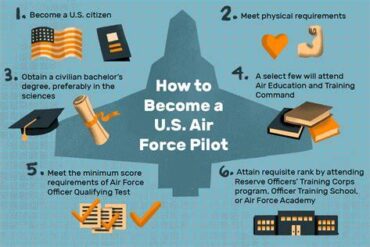
To become a fighter pilot, one must first become a commissioned officer in the U.S. Air Force. There are three primary pathways:
- U.S. Air Force Academy (USAFA) – A highly competitive, four-year military institution where students receive extensive leadership and academic training.
- Reserve Officer Training Corps (ROTC) – A program attached to civilian universities, combining college education with military training.
- Officer Training School (OTS) – A condensed, rigorous training program for college graduates seeking to become officers.
Unlike a common misconception, OTS/ROTC cadets know in advance whether they will be selected for a pilot slot. This ensures that those who enter flight training have already been pre-approved for their aviation careers.
Initial Flight Training (IFT) – The First Step in Aviation
Before entering full Undergraduate Pilot Training (UPT), candidates must complete Initial Flight Training (IFT), designed to introduce them to the fundamentals of flying.
- Conducted in Pueblo, Colorado for Air Force trainees.
- Involves 25 hours of flight time in the Diamond DA-20 aircraft.
- Teaches basic flight maneuvers, FAA regulations, and air traffic control procedures.
- Serves as an initial screening phase, where some candidates voluntarily withdraw after realizing aviation is not for them.
Undergraduate Pilot Training (UPT): The Core Training Program
After IFT, candidates proceed to UPT, a 52-week program at one of several Air Force bases, including Laughlin, Vance, or Columbus AFB.
Phase I: Academic and Simulator Training
The first phase focuses on:
- Aerodynamics, navigation, weather, flight safety, and military aviation regulations.
- Extensive simulator sessions to build familiarity with the aircraft.
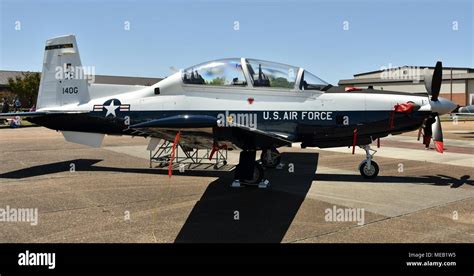
Phase II: Flying the T-6 Texan II
- Pilots start live flight training in the T-6 Texan II, an 1100-horsepower turboprop trainer.
- Covers takeoff, landing, emergency procedures, aerobatics, and formation flying.
- After 12 training flights, pilots take their first check ride, followed by a solo flight.
- The final portion includes instrument flying, night flying, and tactical navigation.
Phase III: Advanced Aircraft Selection
At the end of Phase II, trainees submit a Dream Sheet ranking their preferred aircraft. Selection is based on performance, instructor recommendations, and Air Force needs. The main options include:
- T-38C Talon – For those heading to fighter or bomber aircraft.
- T-1A Jayhawk – For cargo or refueling aircraft.
- UH-1 Huey – For helicopter operations.
Only top-performing trainees are selected for the T-38 track, which leads to fighter and bomber assignments.
Advanced Fighter Training: The T-38 Talon
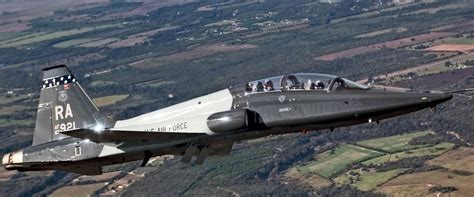
Fighter pilot candidates enter the Introduction to Fighter Fundamentals (IFF) course, flying the T-38C Talon, a supersonic jet trainer.
- The curriculum focuses on basic fighter maneuvers (BFM), formation tactics, and simulated dogfights.
- This phase is extremely challenging, with high-G maneuvers, intensive debriefings, and tactical flight operations.
- Those who pass move on to specialized training in frontline fighter aircraft.
Selection for Operational Aircraft
Upon graduating IFF, pilots are assigned to their operational aircraft. The selection process considers:
- Performance rankings from UPT and IFF.
- Air Force requirements and available slots.
- Commander recommendations.
Fighter assignments include:
- F-22 Raptor – Stealth air superiority fighter.
- F-35 Lightning II – Advanced multi-role stealth fighter.
- F-16 Fighting Falcon – Agile, combat-proven jet.
- F-15 Eagle/EX – High-speed air superiority fighter.
- A-10 Thunderbolt II – Close air support aircraft.
Survival, Evasion, Resistance, and Escape (SERE) Training
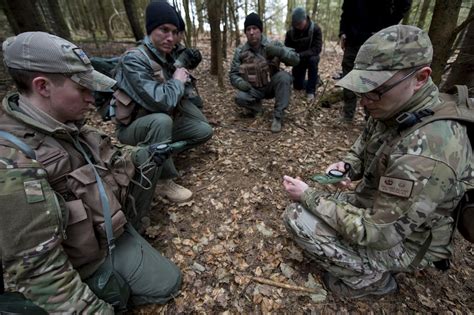
All fighter pilots must complete SERE training, designed to prepare them for survival behind enemy lines.
- Conducted in remote wilderness areas.
- Includes combat survival techniques, resistance training, and simulated POW scenarios.
- Physically and mentally grueling, reinforcing skills to evade capture and survive harsh conditions.
Commitment and Career Path
After completing flight training, pilots receive their wings and begin specialized training at Replacement Training Units (RTUs) to learn their specific aircraft systems and combat operations. They must commit to 10 years of service after earning their wings.
Why Do Some Fighter Pilots Leave?
Despite the prestige, many pilots eventually transition to civilian careers due to:
- Long deployments and time away from family.
- Bureaucratic demands and administrative duties.
- Higher salaries in commercial aviation (Major airlines offer six-figure salaries and better work-life balance).
Conclusion
Becoming a fighter pilot in the U.S. Air Force is an incredibly demanding yet highly rewarding career path. It requires years of training, physical and mental endurance, and an unwavering commitment to excellence. Only the most skilled and dedicated individuals earn the privilege of piloting the world’s most advanced combat aircraft. For those who make it, the experience is unparalleled—combining cutting-edge technology, aerial combat, and the honor of defending the nation from the skies.