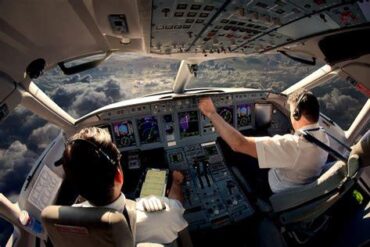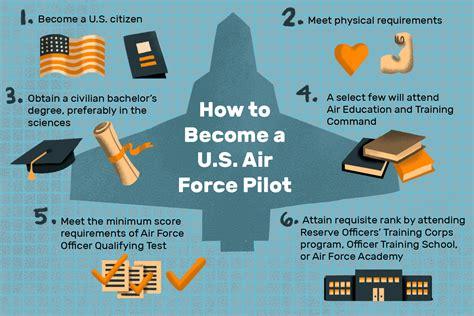
Becoming a commercial pilot is a dream for many, and one of the most reliable and cost-effective ways to achieve this goal is by starting a career in the military, specifically the U.S. Air Force. The path to a commercial pilot’s license (CPL) through the Air Force offers unique benefits, such as financial support for training, hands-on experience, and a competitive advantage in the aviation industry. In this article, we will explore how joining the Air Force can serve as a viable path to becoming a commercial pilot, the steps involved, and the potential benefits and challenges of this route.
The Basics of Becoming a Commercial Pilot Through the Air Force
The journey to becoming a commercial pilot through the U.S. Air Force involves several stages, each designed to provide comprehensive training and a well-rounded aviation education. The Air Force offers one of the most structured and disciplined training programs in the world, which can significantly accelerate the process of becoming a pilot. However, it is important to understand that this path is not for everyone and comes with certain requirements and commitments.
Training Provided by the Air Force
One of the most attractive aspects of joining the Air Force to become a commercial pilot is the high level of training provided, often at no cost to the service member. Upon enlistment, individuals typically begin their journey through Officer Training School (OTS), which prepares candidates for leadership roles. After completing OTS, pilot candidates move on to Undergraduate Pilot Training (UPT), where they receive the rigorous flight training needed to operate military aircraft.
- Advanced Flight Training: After UPT, pilots advance to specialized training depending on the type of aircraft they will be flying (fighters, bombers, cargo, or other). This phase includes flying advanced military aircraft and learning tactical flying maneuvers, which are useful for both military and commercial aviation.
- Instructor Pilot (IP) Training: After successfully completing UPT and earning their pilot wings, many Air Force pilots have the opportunity to become instructor pilots. This training provides valuable teaching experience and further enhances a pilot’s qualifications.
The best part? This training is provided by the Air Force at no personal cost, and you get paid a salary while you train. Once you graduate from UPT, you will already have hundreds of flight hours under your belt, significantly ahead of civilians who pay for their training through private flight schools.
The Commitment: What You Need to Know
While the training is exceptional, joining the Air Force also comes with a significant commitment. Once you begin your pilot training, you will be required to serve in the Air Force for a certain period. This service commitment is often cited as one of the key considerations when deciding if this route is right for you.
- Service Commitment: After completing flight school and receiving your wings, Air Force pilots typically sign a contract to serve for a minimum of 10 years. This can vary depending on your specific role and training program. The commitment typically begins after you finish your flight training, not during basic training.
The 10-year commitment may seem long, but it is important to consider that during this time, you will have the chance to accumulate extensive flight hours in a variety of aircraft, all while being paid a competitive salary. The experience gained during this period can set you up for success when transitioning to civilian commercial aviation.
Can You Transition to a Commercial Pilot Career After the Air Force?
The ultimate goal for many Air Force pilots is to transition to a civilian commercial pilot career after completing their service. The good news is that this is entirely possible, and the Air Force actually makes the transition process smoother than you might expect.
- Civilian Pilot Certification: Once you complete your service in the Air Force, you may not need to undergo the same civilian flight training as other aspiring pilots. Graduates of UPT can qualify for a Restricted Airline Transport Pilot (R-ATP) certificate after accumulating 750 flight hours. This is significantly fewer hours than the usual 1,500 hours required for a commercial airline pilot in civilian life.
- Civilian Certification Process: As a graduate of the Air Force’s pilot training, you will already hold a commercial multi-engine instrument rating, which means you can bypass many of the civilian certification requirements. In fact, many former Air Force pilots go on to secure commercial airline jobs with major carriers, often with a considerable edge in experience and qualifications.
- Instructor Pilot Certification: If you served as an instructor pilot in the Air Force, you could also pursue a Certified Flight Instructor (CFI) rating, adding further qualifications to your resume and increasing your employment opportunities in the commercial aviation sector.
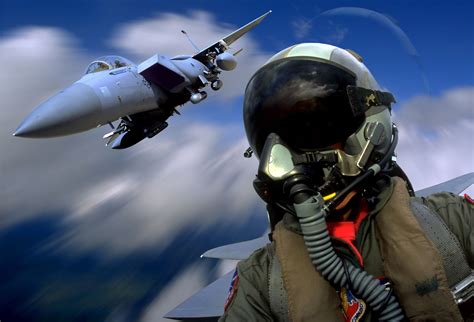
The Financial Benefits of Joining the Air Force
One of the most significant advantages of becoming a commercial pilot through the Air Force is the financial aspect. Not only will you receive extensive training at no cost, but you will also be paid throughout the process.
- Salary During Training: As an officer in the Air Force, you will receive a salary from the moment you enter Officer Training School. This salary increases based on rank and time in service. While it may not be as high as a civilian airline pilot’s pay, the experience and training you receive can lead to a lucrative career later.
- Additional Benefits: Air Force pilots receive a variety of other benefits, including health insurance, housing allowances, retirement plans, and the GI Bill. The GI Bill can be used for additional education, such as pursuing an aviation degree or commercial pilot certifications after you leave the Air Force.
- Long-Term Financial Stability: Many former Air Force pilots find that their military training provides an edge in the civilian aviation industry. This can translate into a higher salary and more job security in the long term, particularly with commercial airlines looking for experienced pilots.
Challenges to Consider
While the Air Force provides a well-structured path to becoming a commercial pilot, it is not without its challenges.
- Rigorous Training: The training involved in becoming a pilot in the Air Force is intense and demanding. It requires not only physical fitness but also mental acuity, as you will need to perform under pressure and manage complex tasks. This is not a path for those looking for an easy ride.
- Commitment to Military Service: The 10-year commitment to serve in the Air Force can be a daunting prospect for some. While the service offers many benefits, it also requires you to live a structured, regimented life. Additionally, you may be deployed to locations around the world, often for extended periods, which can be challenging for individuals with families.
- Limited Aircraft Options: If your goal is to fly a specific type of aircraft (such as passenger jets), the Air Force primarily operates military aircraft, which are often different from the planes used in civilian aviation. However, the skills you learn in the military, including flying large transport aircraft, can still be transferable to civilian aviation.
Conclusion: Is This Path Right for You?
Becoming a commercial pilot through the U.S. Air Force is a viable and effective route for many aspiring pilots. The combination of free training, hands-on flight experience, and a competitive salary makes this path an attractive option for those willing to commit to military service.
However, it is important to weigh the pros and cons before making a decision. The military lifestyle may not be suitable for everyone, and the 10-year commitment is significant. But for those who are passionate about aviation, the Air Force provides an excellent foundation and an unparalleled opportunity to transition into a successful commercial aviation career.
If you’re considering this route, we recommend speaking with current or former Air Force pilots to gain a deeper understanding of the challenges and rewards involved in this path. Ultimately, the decision will depend on your personal goals, career ambitions, and willingness to embrace the unique demands of military service.