The dream of flying a commercial jetliner is one that captivates people of all ages. But if you are in your 30s, 40s, 50s, or beyond, you may wonder: Are you too old to become an airline pilot? The answer depends on several factors—your age, career goals, financial situation, and the kind of flying you wish to pursue. This in-depth guide explores the realities of entering the cockpit later in life and provides a clear roadmap for aspiring aviators.

Understanding Age Limits and Legal Restrictions
The mandatory retirement age for airline pilots is 65, as established by the Federal Aviation Administration (FAA) in the United States and similar authorities worldwide. Regardless of your health or skill, you cannot legally work as a Part 121 airline pilot beyond this age. While some countries have considered extending the age limit due to longer lifespans and better health standards, no immediate changes are on the horizon.
This means that if you begin your aviation career in your 50s or 60s, the window to build seniority and enjoy the higher-paying roles in major airlines becomes extremely limited. Seniority is everything in aviation, dictating your routes, schedule flexibility, and salary. Starting later means entering the industry at the bottom rung with fewer years to climb the ladder.
The Financial Reality of Becoming a Pilot
Flying is a dream worth chasing, but it comes with a substantial financial commitment. The cost of earning all necessary certifications to work for an airline—including a Private Pilot License (PPL), Instrument Rating, Commercial Pilot License (CPL), and Airline Transport Pilot (ATP) certificate—can range from $70,000 to $120,000 or more, depending on the flight school and aircraft used. This does not include living expenses during training, which can extend two to three years with minimal or no income.
In addition, entry-level airline salaries are notoriously low. Regional airline First Officers may earn between $40,000 and $60,000 annually, with incremental raises over time. Only after several years—and often after transitioning to a major airline—do pilots begin to earn six-figure incomes. For older career changers, it’s crucial to evaluate whether the return on investment justifies the financial and time commitments.

Airline Pilot Lifestyle: Glamour vs. Reality
Popular media often portrays airline pilots as globe-trotting professionals enjoying luxurious layovers. The truth is more complex. Pilots work irregular hours, including early mornings, late nights, weekends, and holidays. Schedules can change on short notice, and time away from home is significant, especially in the early years of your career.
Before committing, spend time speaking with airline pilots who are in the roles you aspire to hold. Their insights on fatigue management, family life balance, and career progression will help set realistic expectations. If maintaining a strict 9-to-5 routine is a non-negotiable priority, the airline path may not be for you.
Becoming a Private Pilot: A Flexible Alternative
If your primary motivation for flying is passion rather than income, becoming a private pilot may be a more practical choice. Private flying allows you to experience the thrill of aviation without committing to the intensive training and lifestyle of commercial aviation. The medical requirements for private pilots are also less stringent, making it more accessible for older individuals.
Private pilots typically fly smaller, single-engine aircraft such as Cessna 172s or Piper Cherokees. While these aircraft don’t provide the same experience as a commercial jet, they offer freedom and flexibility at a fraction of the cost. You won’t get paid to fly, but you also won’t be burdened by the competitive and seniority-driven structure of commercial aviation.

Age-Specific Considerations for Becoming an Airline Pilot
Your age significantly influences your career trajectory in aviation. Here’s what to expect based on when you begin:
Under Age 35
If you are under 35, you have the best prospects for building seniority and reaching high-level positions at major airlines. With decades of flying ahead, you can work your way up to captain roles on long-haul international routes and enjoy the financial rewards of seniority.
Between 35 and 40
Starting in this age range still allows you to reach captain positions at regional or even some major airlines. However, achieving top-tier seniority at a legacy carrier will be difficult. You’ll likely enjoy a stable and fulfilling career but may not reach the most coveted positions.
Between 40 and 45
In your 40s, you can realistically expect to work as a First Officer at a major airline or as a captain at a regional carrier. Long-haul captaincy at a major airline becomes unlikely. This path is viable but requires acceptance that you won’t achieve the same financial and seniority benefits as younger pilots.
Between 50 and 55
Starting your aviation journey at this stage makes flying for a major airline improbable. However, you could still secure captain positions at regional airlines or work in corporate aviation. At this age, consider aviation more of a retirement career than a primary income source.
Over 55
After 55, aviation should be pursued as a hobby or supplemental role, such as flight instruction or part-time corporate flying. Airlines are reluctant to invest in pilots with such a short career runway before mandatory retirement. Private flying offers a better long-term option.

Career Alternatives Within Aviation
If your age limits your airline prospects, there are still ways to turn aviation into a career:
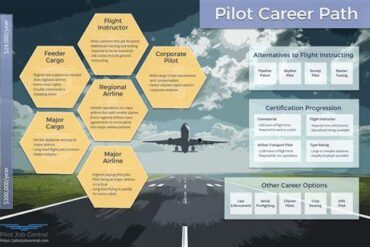
- Flight Instruction – Teaching aspiring pilots is a rewarding and flexible option. It allows you to fly regularly without the same physical and regulatory demands as airline operations.
- Corporate or Charter Flying – Many private companies employ pilots for business travel. These roles often come with more regular schedules and less age-based hiring resistance.
- Aviation Management – Your life experience could make you a strong candidate for leadership roles within aviation organizations, airports, or training academies.
These alternatives offer a way to stay involved in aviation without the grueling climb of the airline seniority ladder.
Final Thoughts: Should You Pursue It?
Is it ever too late to become a pilot? Legally, no—as long as you can meet medical and certification requirements. Practically, it depends on your career goals. If you dream of flying for a major airline with high seniority and pay, starting in your 40s or 50s is unlikely to deliver that outcome. But if your goal is simply to fly, to work in regional or corporate aviation, or to instruct future aviators, age becomes far less of a barrier.
For many late starters, becoming a private pilot offers the perfect balance—fulfilling your passion for flying without the immense financial and lifestyle pressures of an airline career.
The key is to approach this journey with realistic expectations, thorough financial planning, and a clear understanding of the sacrifices involved. Whether for passion, a late-life career pivot, or simply to cross off a bucket-list goal, aviation remains open to those willing to put in the effort—no matter their age.