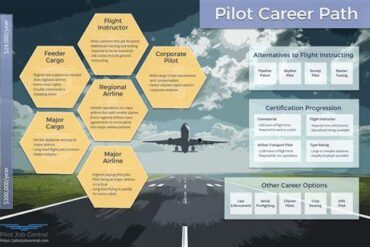
Embarking on a journey to become a test pilot is a pursuit that combines exceptional aeronautical skill with rigorous academic achievement and unwavering commitment to safety. In this guide, we explore every facet of the path—from foundational flight training to advanced engineering studies and eventual integration into elite flight‑test programs. Our objective is to provide a meticulous roadmap that empowers aspiring aviators to navigate the competitive test‑pilot landscape with confidence and precision.
What Sets Test Pilots Apart?
Test pilots serve as the critical link between groundbreaking aerospace designs and their safe, reliable deployment. Unlike line pilots who operate mature aircraft, test pilots evaluate prototypes, validate performance envelopes, and identify design limitations. This responsibility demands exceptional technical literacy, methodical risk‑management skills, and the ability to translate real‑time flight data into actionable engineering feedback.
1. Begin with Strong Academic Foundations
A stellar academic record lays the groundwork for every subsequent milestone. We recommend pursuing an undergraduate degree in aeronautical or mechanical engineering, physics, or a closely allied discipline. A cumulative GPA above 3.5 not only strengthens applications to graduate programs but also demonstrates the analytical proficiency demanded in flight‑test environments.
Graduate Credentials
While a bachelor’s degree opens doors, most military and civilian test‑pilot schools now favor candidates holding a Master of Science in Aerospace Engineering or Flight‑Test Engineering. These programs refine critical skills in aerodynamics, propulsion, structural analysis, and systems integration—knowledge crucial for deciphering complex telemetry in flight.

2. Obtain Progressive Flight Qualifications
Private Pilot License (PPL):
Your first step into the cockpit should be the PPL—an essential credential that affirms basic airmanship and situational awareness. Accumulate at least 100 hours of pilot‑in‑command (PIC) time to build confidence in cross‑country navigation and night operations.
Instrument Rating (IR):
An IR is non‑negotiable for aspiring test pilots. Mastering instrument approaches, holds, and departures ensures you can operate safely in marginal weather—a frequent reality during developmental flight programs.
Commercial Pilot License (CPL):
A CPL unlocks the legal authority to be compensated for flying, an advantage when seeking positions as corporate or research pilots who often support test campaigns.
Multi‑Engine & High‑Performance Endorsements:
Because most experimental platforms incorporate complex propulsion systems, proficiency in multi‑engine and high‑performance aircraft is indispensable.
3. Accumulate Diverse Flight Experience
Flight‑test directors prize breadth. Strive for a logbook that includes:
- Turbine time: Experience in turboprops and light jets familiarizes you with high‑altitude and high‑speed regimes.
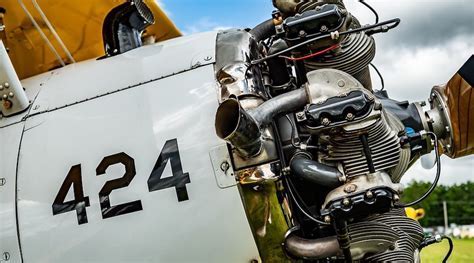
- Tail‑wheel exposure: Enhances stick‑and‑rudder precision relevant to unconventional landing‑gear configurations.
- Glider operations: Sharpens energy‑management insight crucial for dead‑stick recovery scenarios.
Civilian candidates often aim for 1,500–2,000 total hours with a robust distribution across these categories.
4. Choose Your Test‑Pilot Path: Military vs. Civilian
Military Route
- Officer Commissioning: Secure admission to the U.S. Air Force, Navy, or Marine Corps flight‑training pipeline. Competitive selection boards favor technical degrees and physical fitness excellence.
- Fighter/Bomber Assignment: Logging supersonic or heavy tactical time accelerates familiarity with advanced avionics and weapons‑system testing.
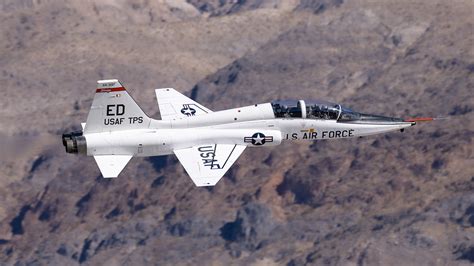
- Test Pilot School (TPS): After roughly 1,000 fighter hours, apply to USAF TPS (Edwards AFB) or USNTPS (Patuxent River). Expect an intensive 48‑week syllabus comprising classroom theory and 120+ flight sorties across fixed‑ and rotary‑wing platforms.
- Post‑TPS Obligations: Graduates incur service commitments ranging 3–6 years, during which they conduct structured developmental and operational testing on frontline aircraft and munitions.
Civilian Route
- National Test Pilot School (NTPS): Located in Mojave, NTPS offers the Experimental Test Pilot & Flight‑Test Engineer courses, culminating in a master’s degree in flight‑test engineering. Tuition may exceed USD $1 million, typically funded by aerospace firms or government sponsors.
- University‑Affiliated Programs: Institutions such as University of Tennessee Space Institute and Florida Institute of Technology deliver graduate‑level flight‑test curricula—an economical precursor to NTPS or direct industry recruitment.
5. Master Flight‑Test Methodology
Key disciplines include:
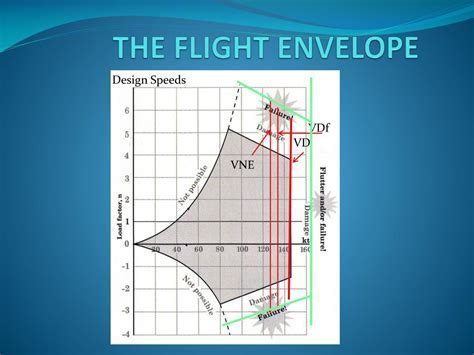
- Envelope Expansion: Systematic progression from low‑risk conditions to edge‑of‑limit manoeuvres, monitoring aerodynamic loads, flutter, and propulsion stability.
- Performance Testing: Precise measurement of climb rate, stall margins, and fuel flow to validate manufacturer predictions.
- Handling‑Qualities Evaluation: Qualitative assessment of control harmony, stability, and pilot–vehicle interface under varied configurations.
- Systems Integration: Verification of avionics, fly‑by‑wire laws, and mission computers under high electromagnetic interference and environmental extremes.
- Safety Planning: Development of Test Hazard Analyses (THAs), chase‑plane coordination, and emergency response protocols.
6. Cultivate Analytical & Communication Excellence
Flight data is meaningless without cogent analysis. Proficiency in MATLAB, Python, and telemetry‑replay platforms enables immediate correlation of inflight observations with quantitative outputs. Moreover, test pilots must articulate findings through precise technical reports and multidisciplinary briefings that drive design iterations.
7. Build Professional Networks & Mentorships
Engage with:
- Society of Experimental Test Pilots (SETP): Attend annual symposiums to exchange insights on emerging test techniques.
- American Institute of Aeronautics and Astronautics (AIAA): Present research to broaden professional visibility.
- LinkedIn & Industry Forums: Connect with chief test pilots at OEMs like Lockheed Martin, Boeing, and Gulfstream.

8. Prepare for Rigorous Selection Boards
Applications typically require:
- Comprehensive flight logbook with verifiable endorsements.
- Graduate‑level transcripts and research publications.
- Letters of recommendation from senior test pilots or commanding officers.
- Class II or I aviation medical certificate confirming peak physiological fitness.
During interviews, expect scenario‑based evaluations—e.g., reconciling conflicting sensor readings while executing a high‑angle‑of‑attack departure‑resistance test.
9. Embrace Continuous Learning & Safety Culture
Even post‑qualification, test pilots devote substantial time to:
- Recurrent training on new avionics suites and flight‑control software.
- Participation in accident‑investigation boards to refine risk‑mitigation strategies.
- Academic contributions to peer‑reviewed journals on topics such as adaptive flight‑control algorithms and autonomous test platforms.
Conclusion: Charting Your Flight Path to the Edge of Innovation
Becoming a test pilot demands more than superior stick‑and‑rudder skills; it requires holistic mastery of aeronautical science, disciplined risk management, and relentless intellectual curiosity. Whether you pursue the military or civilian route, the blueprint remains: excel academically, accrue diverse flight experience, internalize rigorous test methodology, and cultivate networks that propel you toward coveted flight‑test roles. By adhering to this structured trajectory, aspirants transform from proficient pilots into elite evaluators who safeguard the skies and spearhead aerospace advancement.