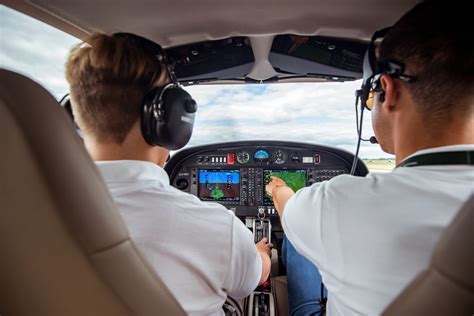
Becoming a commercial pilot is a dream chased by many, but one steeped in financial barriers. Flight school tuition in the United States can exceed $100,000, and while this may be a deterrent for many, the idea of a free pilot training program continues to inspire hope. But is it truly possible to earn your wings without paying the cost in cash—or at least not all at once?
In this in-depth analysis, we examine the realities of ‘free’ pilot training, dissect the viable options available, and expose the fine print behind programs that claim to offer low-cost or sponsored paths to the cockpit.
Military Service: The Closest Thing to ‘Free’ Flight Training
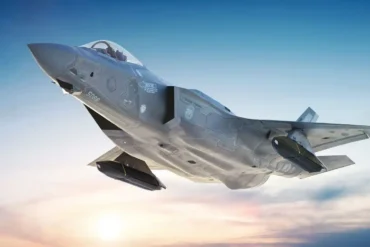
There is no program in the U.S. more established or more effective in offsetting the cost of flight training than the military route. Branches such as the U.S. Air Force, Navy, and Marine Corps offer world-class flight instruction, cover the cost of aircraft, fuel, and instruction, and even provide salaries while you train.
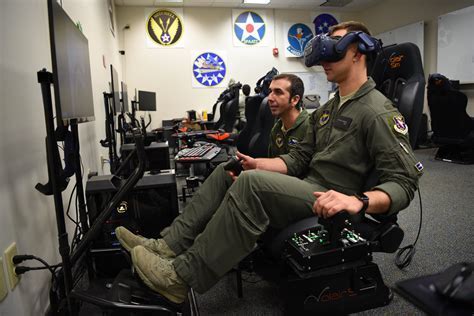
However, the commitment is substantial. You are not just signing up for free flight school, but rather, to become a commissioned officer in a branch of the U.S. military—often for a minimum of 10 years following training. Moreover, only a fraction of applicants are accepted due to strict medical, academic, and physical fitness standards. Many would-be candidates are ineligible due to factors such as age, medical conditions, or dual citizenship restrictions.
The GI Bill and College Flight Programs
For those who have already served or plan to serve, the Post-9/11 GI Bill offers a powerful benefit: complete funding for Part 141 college flight programs. These structured university-based programs allow veterans to earn their Private Pilot License (PPL), Instrument Rating (IR), Commercial Pilot License (CPL), and even their Certified Flight Instructor (CFI) credential while receiving a housing allowance (BAH).
The financial implications are significant:
- $200,000+ in covered flight training expenses
- Monthly living stipends based on school location
- Additional grants such as the Pell Grant for qualifying low-income veterans
Yet, it’s worth remembering: these benefits are earned through military service—not handed out freely.
Airline-Sponsored Pilot Pathways: Strings Attached
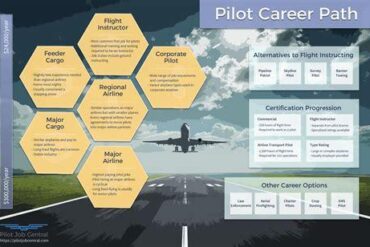
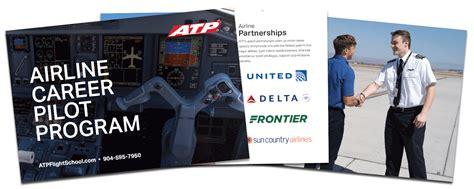
While the military route is comprehensive, not everyone is willing or able to enlist. That’s where airline-sponsored programs come into play. Several regional airlines have developed training initiatives to funnel pilots into their ranks. These include:
- Mesa Airlines’ Pilot Development Program
- SkyWest’s Pilot Pathway Program
- Envoy Air Cadet Program
These programs typically front a large portion—or in rare cases, the entirety—of flight training costs. However, there are critical stipulations:
- You must sign a multi-year contract, usually ranging from three to seven years.
- Wages during the early years are often below industry standards.
- You are locked into a single employer, limiting career mobility.
This is not free training—it’s a deferred investment model with a long-term repayment plan in hours worked.
Flight School Employment and Work-Study Hybrids
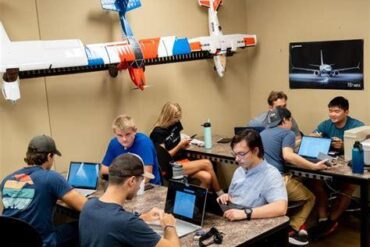
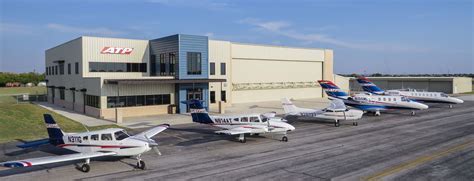
A lesser-known but still viable route involves working for a flight school. Some training centers offer discounts or tuition reimbursement for staff who work in ground support, operations, or maintenance roles. Though rare, opportunities exist to work part-time while earning flight hours.
Examples include:
- Working as an A&P mechanic apprentice
- Handling scheduling and dispatching
- Teaching ground school classes if you’re certified
However, these models seldom cover the entirety of the cost. Instead, they function as a way to chip away at fees while gaining industry exposure.
University Programs with Aviation Majors
Some public universities and community colleges offer aviation degree programs subsidized by state or federal education funding. Examples include:
- Embry-Riddle Aeronautical University (limited scholarships)
- Purdue University’s Professional Flight Program
- University of North Dakota’s Aviation Department
While not free, these programs allow students to apply federal financial aid, scholarships, and student loans to aviation training. When combined with grants or GI Bill benefits, it is possible to graduate with a Commercial Pilot License and a four-year degree with little to no out-of-pocket cost.

Flight Training Scholarships: Real Help, But Rare
A common misconception is that scholarships can fully fund flight training. While thousands of dollars in grants are available annually through organizations like:
- Women in Aviation International
- Aircraft Owners and Pilots Association (AOPA)
- Experimental Aircraft Association (EAA)
the typical award ranges between $2,500 and $20,000. Considering the total cost of full commercial training exceeds $80,000–$100,000, this means scholarships serve more as supplements than solutions.
Still, stacking multiple awards can significantly reduce overall costs if you’re persistent and qualified.
The Harsh Reality: If It Sounds Free, Look Closer
Free flight training—when not earned through military service—nearly always includes a catch. Whether it’s working for years under contract, signing up for low-wage first officer positions, or spending years applying for grants, the reality is that ‘free’ often means ‘delayed payment.’
There are no shortcuts around the economics of aviation. Every hour of flight time costs fuel, maintenance, instructor pay, insurance, and operational overhead. Someone, somewhere, is paying that cost.
If it’s not you today, it may be you tomorrow through:
- Contractual employment agreements
- Delayed income from low-paying regional airline jobs
- Long-term opportunity costs like time spent in service or restricted employment
Strategies for Ambitious but Resource-Limited Aspirants
For those determined to become pilots without access to large sums of money, the best strategy often includes a blend of the following approaches:
- Joining the military or reserves to qualify for full GI Bill benefits
- Combining community college aviation programs with Pell Grants and state aid
- Taking on work at a flight school for employee discounts
- Applying to multiple scholarships every year
- Getting your CFI rating early and instructing to earn income while building hours
It may not be easy—but it’s doable.
Conclusion: There’s No Free Ride, But There Are Smarter Routes
In the end, becoming a commercial pilot without debt requires trade-offs, planning, and resilience. Whether you serve your country, bind yourself contractually to a regional airline, or grind through work-study programs and scholarships, the dream can become reality. But there is no magic bullet. Every path has costs—financial, personal, or professional.
Free pilot training is more myth than model. But affordable pilot training through military, collegiate, and sponsored programs is very real—if you’re ready to navigate the system with clarity and commitment.