Take Family and Friends Flying
One of the most immediate and fulfilling benefits of obtaining a PPL is the ability to share flight experiences with others. As per FAA regulations, private pilots can carry passengers, provided no compensation is received. However, under the pro-rata cost-sharing rule, the pilot and passengers can split the direct flight expenses—such as fuel, oil, airport fees, and aircraft rental—equally.
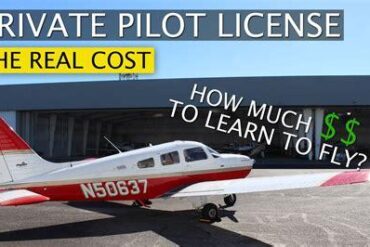
Imagine flying a Cessna 172 or Piper Archer to a remote countryside airport, bringing along three of your closest friends or family members. These aircraft, with their four-seat configurations and solid performance, are ideal for group travel. As long as the aircraft is under 12,500 pounds, non-turbine-powered, and matches the ratings on your license, you’re good to go.
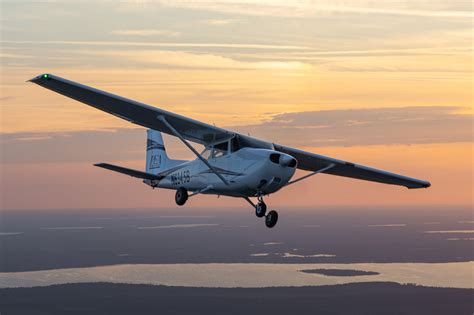
Fly at Night for a Spectacular View
The world transforms dramatically after dark. Private pilots, having undergone night training as part of their certification, are legally allowed to fly at night. The twinkling grids of city lights, the glow of runway lights on approach, and the serenity of flying above a sleeping world are all part of the experience.
Night flying does come with increased responsibility. It demands a thorough preflight check, greater attention to instrument scanning, and careful weather planning. But with those preparations in place, it’s one of the most visually stunning experiences in general aviation.
Attend Aviation Festivals and Fly-Ins
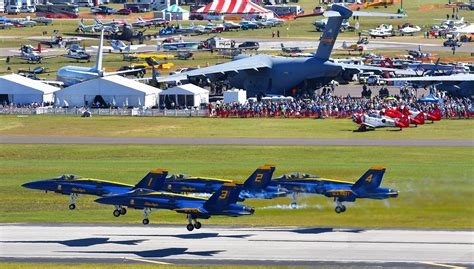
From EAA AirVenture Oshkosh to Sun ’n Fun Aerospace Expo in Florida, pilots with a PPL can land right in the heart of these major aviation gatherings. With thousands of aircraft converging, landing at these airports involves special NOTAM procedures, tactical communication, and sometimes shared runways.
These festivals are more than just exhibitions. They are venues for networking, learning from seasoned aviators, checking out cutting-edge aircraft technology, and indulging in the vibrant culture of aviation.
Learn Advanced Skills and New Endorsements
A PPL is the beginning—not the ceiling—of one’s pilot education. It opens doors to acquiring new endorsements and flight proficiencies. Here are a few paths private pilots often take:
-
Tailwheel endorsement: Transition to taildraggers for vintage and bush-style flying.
-
High-performance aircraft: Fly planes with engines over 200 horsepower.
-
Complex aircraft: Operate aircraft with retractable landing gear, flaps, and constant-speed props.
Additionally, advanced training like the Instrument Rating (IR) greatly enhances a pilot’s capability. With an IR, you can fly in more diverse weather conditions and navigate through controlled airspace with greater ease and safety.
Business Travel with Your License
Contrary to common belief, private pilots can fly for business-related purposes, provided the flight is incidental to their employment and no compensation is involved for flying services. This means that professionals who need to attend remote meetings or site visits can significantly cut travel time using general aviation.
Volunteer for Charitable Flights
Private pilots can donate their flight time to organizations such as Angel Flight, Pilots N Paws, and LifeLine Pilots. These missions often involve transporting medical patients, delivering aid, or relocating rescue animals. These opportunities not only allow pilots to give back but also provide them with meaningful flying experience.
Make Date Night Unforgettable
Flying offers a new dimension to romance. Whether it’s a sunset flight over the coast, a quick hop to a charming out-of-town airport for dinner, or a cozy picnic next to a grass strip, taking a loved one flying leaves a lasting impression. The term “$100 hamburger” embodies this concept—a short flight purely for the joy of food and flying.
Fly Internationally With Proper Planning
Yes, private pilots can fly internationally. With the proper documentation and planning, you can explore Canada, Mexico, The Bahamas, and even beyond. Each country has its aviation rules, so thorough preparation and adherence to local regulations are key. You may need customs clearance, flight plans, and radio station licenses depending on your destination.
Flying abroad transforms simple excursions into epic journeys. AOPA and ICAO resources help navigate international flying requirements.
Sightsee Like Never Before
From the Appalachian Mountains to the Arizona deserts, the continental United States offers breathtaking landscapes best seen from above. Pilots can chart custom routes to explore natural wonders like the Grand Canyon, fly over metropolitan skylines, or skim low across coastal waters (within regulatory limits).
VFR (Visual Flight Rules) operations in the U.S. are relatively unrestricted, making spontaneous adventures a core joy of holding a PPL. However, for mountain flying or high-altitude operations, additional training is highly recommended.

Educate and Inspire Future Aviators
A private pilot can become an FAA Ground Instructor, allowing them to teach theoretical aviation knowledge. It’s a strategic way to stay involved in aviation, contribute to the community, and even start down the road to becoming a Certified Flight Instructor (CFI).
Ground instructors are instrumental in building foundational knowledge for students, including aerodynamics, regulations, weather theory, and navigation. They can teach ground school courses at flight schools, aviation camps, or community colleges.
PPL: A License to Explore, Learn, and Serve
In sum, a Private Pilot License unlocks far more than just recreational flying. It’s a launchpad into an expansive realm of opportunities—whether personal, educational, charitable, or professional. The misconception that the PPL is only for hobbyists drastically understates its capabilities. It’s a certificate of freedom, utility, and lifelong learning.
Frequently Asked Questions
Can a private pilot fly internationally without a commercial license?
Yes, a private pilot can fly internationally as long as they follow the specific regulations of the destination country. Many neighboring countries like Canada, Mexico, and The Bahamas are popular cross-border destinations. Customs requirements, flight plans, and knowledge of local airspace rules are essential.
Can a private pilot make money flying?
Generally, no. A private pilot cannot be compensated for flying passengers or cargo. However, there are exceptions for charitable flying, cost-sharing with passengers, and flying that is incidental to a business job not centered on aviation.
What types of aircraft can you fly with a PPL?
Private pilots can fly any aircraft under 12,500 pounds that are not turbine-powered, provided it matches the category and class on their license. With proper endorsements, pilots can also fly taildraggers, complex aircraft, or high-performance airplanes.