Understanding the Scope of a Private Pilot License
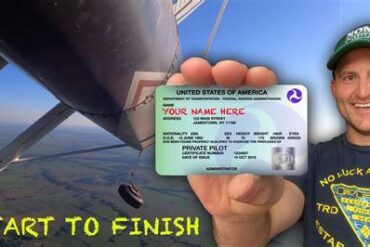
A Private Pilot License (PPL) is often the first major milestone in a pilot’s journey through aviation. Issued by the Federal Aviation Administration (FAA), the PPL allows pilots to legally operate aircraft under Visual Flight Rules (VFR) for personal use. It does not authorize pilots to fly for compensation or hire, but it opens a surprising number of doors to career paths that capitalize on the knowledge, skill, and experience acquired during private pilot training.
To qualify for a PPL, pilots must meet several stringent requirements:
- Be at least 17 years old
- Hold a third-class medical certificate
- Pass the FAA written exam
- Log a minimum of 40 hours of flight time
- Complete a check-ride with an FAA examiner
These criteria ensure that every private pilot possesses foundational aeronautical knowledge, situational awareness, and airspace familiarity, making them well-suited for aviation-related roles that do not involve passenger compensation.
Making the Most of a Private Pilot License
While commercial pilot licenses (CPLs) are the gateway to airline and charter employment, a PPL is far from a dead end. In fact, many aviation-adjacent careers exist where PPL holders can offer valuable services, often earning income in creative or non-traditional ways.
Ground School Instructor
One of the most practical jobs for a PPL holder is teaching ground school. Ground school is a prerequisite for all new pilots and covers aerodynamics, weather, regulations, navigation, and safety protocols. With a PPL and appropriate instructional endorsements, individuals can teach aspiring:
- Sport pilots
- Recreational pilots
- Private pilots
This role typically involves classroom instruction or online course development and does not require a commercial license since no in-air instruction is provided. Adding an instrument rating (IFR) allows for even more advanced theoretical instruction.
Aircraft Sales Consultant
The general aviation market in the U.S. is home to more than 200,000 registered aircraft. Many of these are traded between owners, brokers, or dealers. Having a PPL gives aspiring aircraft sales professionals a distinct edge. With basic flight proficiency and airframe familiarity, PPL holders can:
- Conduct demo flights (non-commercial)
- Guide customers in technical comparisons
- Support post-sale delivery logistics
Manufacturers and aircraft resellers value salespeople with flight knowledge, and some even offer commission-based structures that allow PPL holders to earn substantial income, depending on the aircraft class and value.
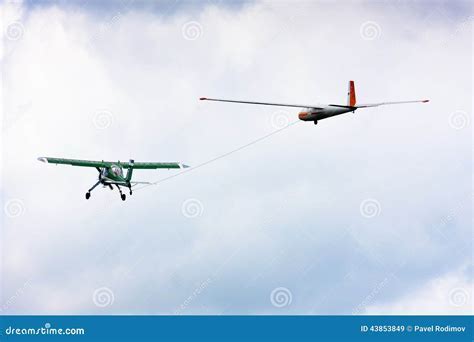
Glider Tow Pilot
Although private pilots cannot fly for hire under normal circumstances, there are FAA exceptions—glider towing being one of them. With a valid PPL and the following additional qualifications:
- 100 hours of PIC (Pilot-in-Command) time in the aircraft category
- Logbook endorsement for towing operations
- Recent experience (three tows in the last 24 months)
a pilot can be compensated for towing non-powered gliders. This job is popular in mountainous or rural regions where gliding is a staple of local aviation culture.
Volunteer Flight Missions
Not all rewards are monetary. PPL holders are often welcomed in nonprofit flight organizations offering humanitarian or medical transportation. Missions typically involve flying patients, organ donations, or supplies across states for organizations such as Angel Flight or Pilots N Paws.
These flights do not violate FAA compensation rules since the pilot receives no direct financial benefit, although many nonprofits cover fuel or airport fees. The experience can be deeply rewarding and also builds valuable cross-country flying experience.
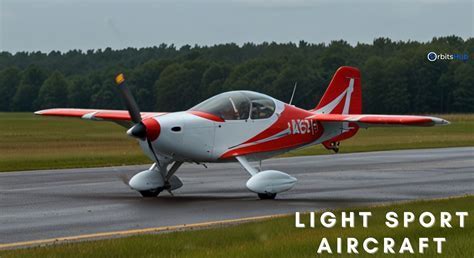
Light-Sport Aircraft Test Pilot
Manufacturers of Light-Sport Aircraft (LSA) frequently require pilots to test new models for compliance and performance. A PPL with at least 100 hours of PIC time in the LSA class qualifies for these roles. While compensation is legally permissible under current FAA exemptions, pilots must:
- Be familiar with LSA operational limits (e.g., 1,320 lbs max takeoff weight)
- Understand certification protocols
- Demonstrate consistent flight documentation habits
These roles often straddle the line between technical testing and product validation, offering PPL holders access to new-generation aircraft before public release.
Unique Advantages of Holding a PPL
While a PPL does not match the commercial license in job volume or salary potential, it offers notable advantages:
- Lower cost and time investment compared to a CPL (40 hours vs. 250 hours)
- Flexibility to build hours while holding a separate full-time job
- Freedom to carry passengers (without compensation) for leisure or logbook building
- Ability to earn additional ratings such as night flying, seaplane, and tailwheel endorsements
These benefits make the PPL attractive for aviation enthusiasts, hobbyists, and aspiring professional pilots seeking a flexible entry point into aviation.
The Limitations of a PPL
Despite the opportunities, the restrictions on compensation remain firm. A PPL does not allow the pilot to:
- Transport paying passengers
- Conduct cargo flights for profit
- Act as pilot-in-command in commercial service operations
This means that even highly experienced PPL holders cannot legally engage in paid air tours, air taxi services, or cargo drops without holding at least a commercial pilot certificate.
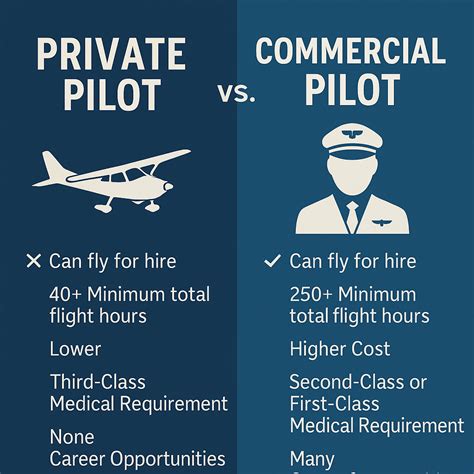
Comparing the PPL to Higher Certifications
To become eligible for airline employment, pilots must pursue successive certifications:
- Commercial Pilot License (CPL) – Requires 250 flight hours
- Airline Transport Pilot (ATP) – Requires 1,500 hours
These tiers allow full compensation, unrestricted operations, and ultimately, access to the major airline and cargo industry. Still, many professionals begin their journeys with the PPL, building foundational skills and accruing PIC time in low-cost settings.
Is the PPL Enough?
For aviation enthusiasts or those pursuing careers in flight support roles, the PPL can be more than enough. For others with ambitions in air transport, emergency services, or charter operations, it is an essential but temporary waypoint.
In either case, the PPL remains a cornerstone certification. It demonstrates commitment, safety awareness, and real-world flying competence—qualities highly valued across many sectors of the aviation economy.
FAQ
Can private pilots make money legally?
Yes, but only under specific FAA allowances. While private pilots cannot carry paying passengers, they can legally earn money by towing gliders, conducting light-sport test flights, or working in aircraft sales and ground instruction—all without violating FAA rules.
Is it worth getting a PPL if I don’t want to become an airline pilot?
Absolutely. A PPL offers valuable life skills, opens doors to part-time aviation work, and allows personal flight freedoms. It’s especially worthwhile for entrepreneurs, hobbyists, and professionals working in the aviation industry.
What’s the best job for someone with a PPL?
The most lucrative legal jobs for PPL holders include aircraft sales, light-sport aircraft testing, and glider towing. Teaching ground school and volunteering for medical missions also provide meaningful work and flying experience.