When delving into the world of aviation, particularly for aspiring pilots, one often encounters the terms private pilot certificate and private pilot license. At first glance, these might seem synonymous, but there is an important distinction that both new and experienced pilots must understand. In the United States, under the Federal Aviation Administration (FAA) regulations, the proper terminology is private pilot certificate—not a license. However, the confusion persists because the terms are often used interchangeably. This article aims to provide a clear understanding of these terms and explore why private pilot certificate is the official term while license is frequently used colloquially.
The Official Term: Private Pilot Certificate
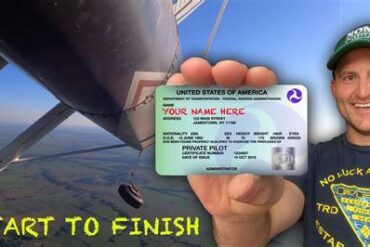
The confusion between certificate and license arises because of the subtle differences in their meanings. Under FAA guidelines, the word “certificate” is used to describe the official recognition that a pilot has met the required standards for flight operations. This private pilot certificate is the first step for any individual wishing to fly as a private pilot in the United States. The certificate serves as proof that the holder has completed the necessary training and demonstrated the competency required by the FAA.
Private pilot certificate holders are granted the legal ability to fly aircraft as non-commercial pilots, meaning they cannot be compensated for their flying services. Achieving this certificate requires meeting specific flight hours, passing a medical exam, and successfully completing both a written test and a flight test. While it may be referred to as a “license” in everyday conversation, the FAA officially recognizes it as a certificate. This distinction is significant because the term “license” generally refers to legal permissions granted by a governing body (in this case, the FAA), while a certificate is a formal document of achievement that confirms that the individual has met the standards.
License or Certificate? Why Does the Confusion Exist?
The use of the word “license” is widespread in everyday language due to its associations with other professions and activities, such as driving or operating vehicles. For most people, when they achieve a certain competency, they are issued a “license,” and this carries the assumption of governmental permission to engage in an activity. When it comes to flying, however, the FAA takes a slightly different approach. While the private pilot certificate allows for private flight privileges, the FAA refers to this certification in terms of a certificate rather than a license.
Despite this, many pilots still use the term “license” interchangeably with “certificate,” creating a blurring of the lines between the two. In fact, the FAA’s own website sometimes uses both terms, further contributing to this misunderstanding. The reality is that, while both terms refer to the same concept—being authorized to fly—they are used differently depending on context.
Key Differences Between Certificate and License
At a high level, there are no substantial functional differences between a private pilot certificate and a license when it comes to pilot privileges. However, it is useful to break down their roles and significance more clearly:
Certificate: Proof of Achievement
- Achievement-based: The private pilot certificate is awarded after you’ve demonstrated competency to the FAA’s standards. It signifies that you have completed the required training and have passed both written and practical flight exams.
- Issued by FAA: This certificate is the formal document granted by the FAA, confirming that you are authorized to operate as a private pilot.
- Types of Ratings: A certificate is often issued alongside various ratings (such as instrument, multi-engine, or seaplane), which grant additional privileges. These ratings do not change the underlying certificate but expand what a pilot can do under specific circumstances.
License: A Term Used in General Conversation
- Commonly used term: The word “license” is used informally to describe the privilege or permission to fly. Many pilots and non-pilots alike will say, “I have a private pilot license,” despite the official term being certificate.
- Misleading term: In the context of the FAA, referring to the private pilot certificate as a “license” can be misleading, as the two terms have different legal connotations. A license generally indicates a right granted by a government body (like a driver’s license or hunting license), while a certificate is a formal recognition of achievement.
It is important to note that this confusion is mostly linguistic, and it does not change the pilot’s legal ability to fly an aircraft under the appropriate conditions. Whether called a certificate or a license, the document grants the pilot the privilege of flying privately.
The Process of Obtaining a Private Pilot Certificate
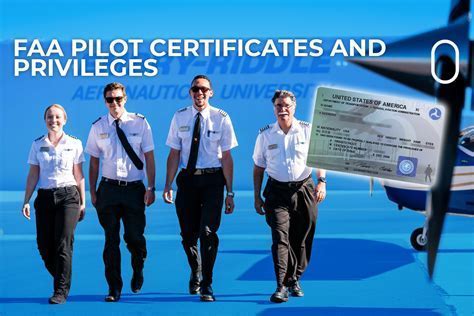
The process for obtaining a private pilot certificate involves a number of steps, each designed to ensure that the pilot meets the FAA’s safety standards. These steps include:
- Eligibility: You must be at least 17 years old, able to read, speak, write, and understand English, and hold a third-class medical certificate issued by an FAA-approved medical examiner.
- Flight Training: The FAA requires at least 40 hours of flight training for a private pilot certificate. This typically includes both dual instruction (flights with an instructor) and solo flights.
- Written Exam: You will need to pass a knowledge test that covers a wide range of aviation topics, including airspace, navigation, weather, and regulations.
- Check Ride: After completing the required training, you must pass a check ride with an FAA examiner, which tests your ability to operate an aircraft safely under a variety of conditions.
- Certificate Issuance: Once all the requirements are met, the FAA will issue the private pilot certificate.
Implications of the Misuse of the Term “license”
The misuse of the term “license” instead of “certificate” may seem like a small issue, but it does have implications, especially in legal or official contexts. Since certificates are earned through a process of meeting specific standards and qualifications, using the term “license” may lead to misunderstandings about what is required to become a private pilot. It is also worth noting that pilot certificates can be revoked or suspended by the FAA for violations of aviation regulations, while licenses in other fields might involve different legal proceedings.
Understanding the precise terminology is also crucial for individuals considering further qualifications, such as commercial pilot certification, flight instructor certification, or ratings for specific types of aircraft. Each of these is a different type of certificate, and the correct terminology can make it easier to understand the requirements and legalities associated with each.
Conclusion
In conclusion, the difference between a private pilot certificate and a license lies in terminology rather than function. The FAA uses “certificate” to indicate the official recognition of a pilot’s qualifications, while the term “license” is often used informally to refer to the privileges granted by that certificate. For those pursuing a career or hobby in aviation, understanding this distinction is crucial not only for clarity but also for navigating the complexities of the FAA’s regulatory framework.
Frequently Asked Questions
1. What is the difference between a private pilot certificate and a private pilot license?
The key difference lies in terminology. The FAA officially issues a private pilot certificate to qualified pilots, while “license” is a common misnomer used in everyday conversation. Both terms generally refer to the same qualifications, but “certificate” is the proper term under FAA regulations.
2. Can I fly with a private pilot certificate?
Yes, a private pilot certificate allows you to fly aircraft for personal use. However, you are not authorized to receive compensation for flying. If you wish to get paid for your flying services, you must obtain a commercial pilot certificate.
3. How many flight hours are required to obtain a private pilot certificate?
To qualify for a private pilot certificate, the FAA requires a minimum of 40 flight hours. This includes both instructional flights and solo flights, though many students typically require more hours to fully prepare for their check ride and written exam.