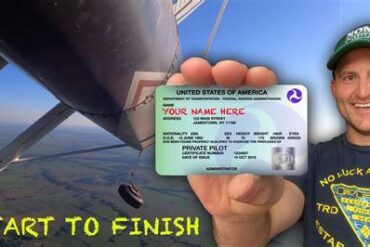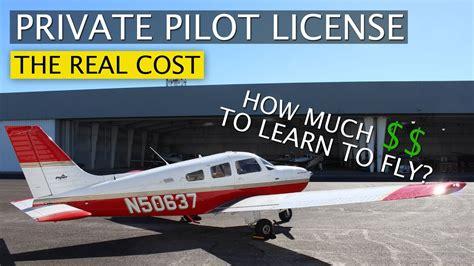
Flying as a private pilot is often viewed as a personal pursuit, where the primary goal is enjoyment and the freedom to travel. However, many aspiring pilots wonder whether they can generate income or at least offset the cost of their flights with a private pilot license. The simple answer is: yes, you can make money with a private pilot license, but the opportunities are limited and regulated by specific rules. In this article, we will explore in detail how a private pilot can legally and ethically earn compensation or cover flight expenses under various circumstances. Let’s dive into these scenarios where a private pilot can be compensated for their skills and time.
Taking Passengers and Sharing Costs
One of the key benefits of holding a private pilot license is the ability to carry passengers. Unlike commercial pilots who can fly for hire, a private pilot can take friends, family, or colleagues along for a flight. While the general rule is that you cannot be compensated for flying passengers, there is an exception: you can share the costs of the flight.
In practice, this means that if you’re flying with a group, each passenger can pay a portion of the flight expenses. These expenses typically include things like aircraft rental fees, fuel, oil, and landing or airport charges. For example, if you take three passengers on a cross-country flight, and each one contributes to the costs, you are only responsible for your share. This scenario can make flying much more affordable and allow you to experience the benefits of flying without bearing the full financial burden.
However, it’s crucial to note that while you can share expenses, you are not allowed to charge passengers a profit or increase the amount you charge beyond the actual operating costs. Essentially, you cannot act as a commercial pilot and profit from flying people.
Compensation for Business Travel
While the majority of private pilots cannot be paid to fly, there is an exception outlined in 14 CFR 61.113(b). A private pilot can be compensated for flights that are incidental to a business or employment. What does this mean? In essence, if flying is part of your work or business but not the primary activity, you can be reimbursed or paid for your flying time.
For example, let’s say you work for a company and need to fly to a meeting or to meet a client. While you are on a work-related task, the flight itself is secondary to the purpose of the business, and the business can compensate you for the flight costs. This could include expenses like fuel and aircraft rental fees.
However, there are limitations to this rule. The flight must not involve the transport of passengers or cargo for hire, meaning you can’t fly people or goods as part of your commercial duties. The compensation is strictly for the incidental nature of the flight as part of the overall business activity.
Flying for Charities
Another avenue for private pilots to earn compensation or offset flying costs is through flying for charitable organizations. Charitable flying is often done on a voluntary basis, but there are situations where a private pilot can be reimbursed for flight expenses. For example, charitable organizations may hold raffles, auctions, or fundraisers offering flights, where the proceeds go to a good cause.
Under 14 CFR 91.146, pilots with at least 500 hours of flight time are allowed to operate flights for charity, such as Angel Flight or pancake breakfast flights where donations are used to cover the flight costs. Many pilots contribute to these causes by donating their time and the use of their aircraft, allowing those in need to receive critical transportation services.
If you meet the necessary qualifications, this type of flying can provide opportunities for both compensation and personal satisfaction. Many pilots, especially those with significant flying hours, find this to be a rewarding way to use their skills for the greater good.
Search and Rescue Operations
A private pilot can also receive compensation for flights related to search and rescue operations. These operations are often conducted by governmental or non-governmental organizations, such as the Civil Air Patrol (CAP), that rely on pilots to help locate missing persons or assist in other emergency situations.
As a private pilot, you can participate in these operations and be reimbursed for specific expenses like fuel, oil, and aircraft rental costs. The flight must be officially sanctioned by a local, state, or federal agency, and the activities must be directly tied to the search and rescue mission.
Joining an organization like the Civil Air Patrol could provide you with the opportunity to participate in these missions, often at discounted rates for aircraft rental and flight training. While these opportunities do not offer lucrative pay, they can help pilots gain experience and reduce flight costs while contributing to a meaningful cause.
Aircraft Demonstration Flights
If you are in the business of selling aircraft, a private pilot can also be paid to perform demonstration flights for prospective buyers. According to 14 CFR 61.113(f), private pilots with at least 200 hours of flight time can be compensated for conducting demo flights for aircraft sales purposes.
These flights allow prospective customers to experience the aircraft firsthand, and pilots can earn income from this service. As a private pilot, you would not need to pay for the flight costs as these would typically be covered by the aircraft manufacturer or dealer. This can be a great way for pilots with a sales background to supplement their income while building more flying hours.
Towing Gliders or Ultralight Aircraft
Another unique way for a private pilot to earn compensation is by towing gliders or ultralight vehicles. Under 14 CFR 61.113(g), private pilots can be paid to tow these aircraft, provided certain requirements are met.
First, you must have a minimum of 100 hours of flight time in the same class and type of aircraft used for towing. Additionally, you must have received training from an authorized instructor on the specific procedures for towing. This activity is commonly done for glider pilots or organizations offering glider rides, and private pilots can receive compensation for the service.
Performing Flight Tests for Light-Sport Aircraft
A private pilot can also be compensated when conducting flight tests for light-sport aircraft (LSAs). These are typically aircraft used in special certifications or for aircraft manufacturers testing new models.
To be eligible for compensation, the private pilot must hold at least 100 hours of flight time in the specific type of aircraft, and they must be familiar with the test procedures. In this case, you would be compensated for the operational costs of performing the test flight, and the aircraft must meet the specific criteria set out by the FAA.
Conclusion
While a private pilot certificate limits your ability to be directly compensated for flying passengers or cargo for hire, there are still several opportunities to make money with a private pilot license. Whether you’re flying for business, charity, search and rescue, aircraft demonstrations, or towing gliders, there are options available for skilled pilots to turn their passion for flying into a source of income or at least reduce the cost of their flying adventures.
As with all aviation activities, it is important to stay informed about FAA regulations and follow all legal requirements to ensure compliance with the law and safety standards.
FAQ
Can I fly for money with just a private pilot license?
Yes, while you cannot fly for compensation or hire in most cases, there are several exceptions that allow you to earn income or cover your flight costs, such as flying for business, charity, search and rescue, demo flights, towing gliders, or conducting flight tests for light-sport aircraft.
What is the limit on compensation for private pilots?
Private pilots can only be compensated for specific types of flights, and they must follow the restrictions outlined by the FAA, such as ensuring the flight is incidental to a business or related to charity events. Compensation cannot involve transporting passengers or cargo for hire.
Can I make a full-time income as a private pilot?
While it’s unlikely you’ll make a full-time income exclusively as a private pilot, there are opportunities to supplement your income by offering services like demonstration flights, towing gliders, or participating in charitable flights. Many pilots use these activities to reduce their flying costs or gain experience while earning some compensation.