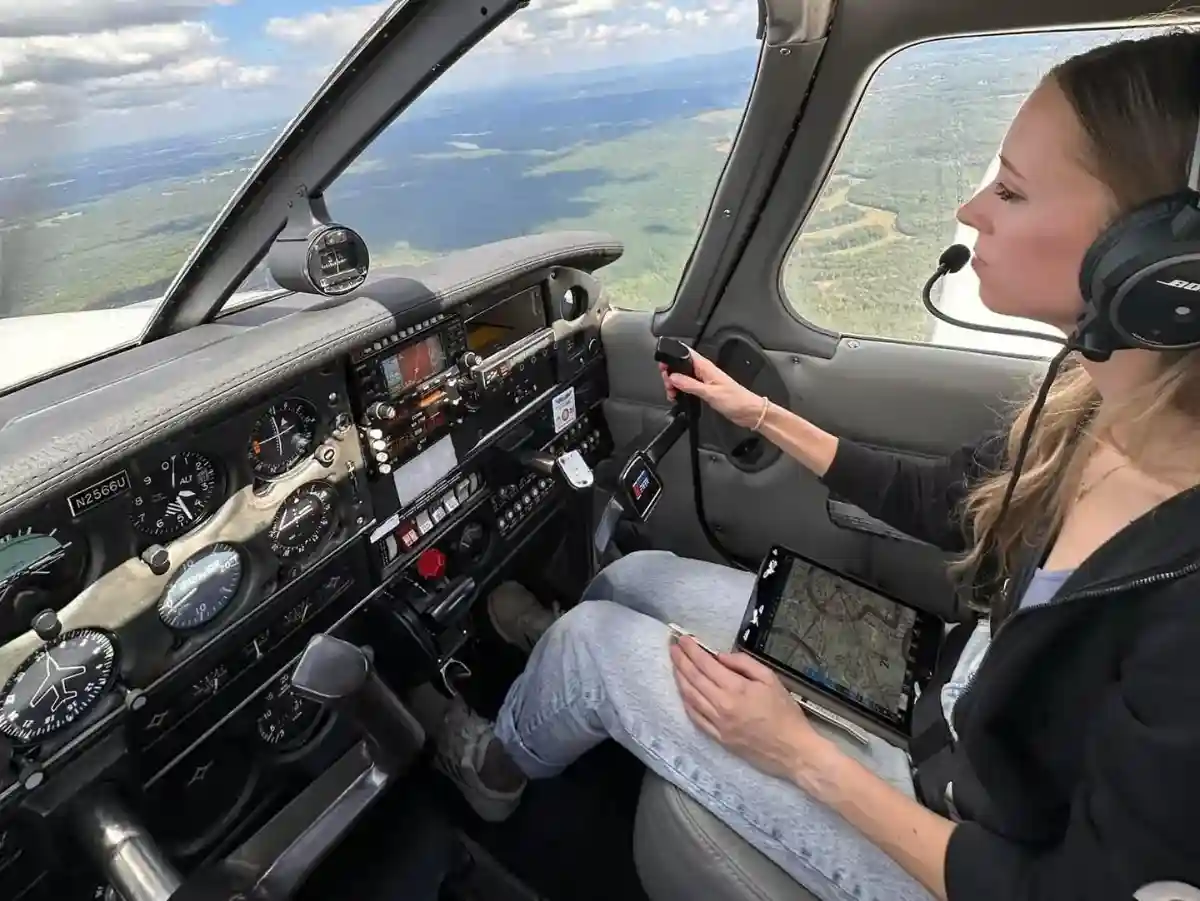
Few pursuits match the allure of commanding an aircraft from the left seat, soaring above landscapes and schedules alike. But amid the romance of aviation, an inevitable question arises: Is a Private Pilot License (PPL) truly worth it?
For enthusiasts drawn to the skies—not for career but for passion—the decision is deeply personal, financially nuanced, and operationally demanding. With the growing accessibility of shared ownership models and educational sponsorships, now more than ever, aviation seems just within reach. Yet, it demands more than money: it calls for time, consistency, and enduring commitment.
The Emotional Investment: Reward Beyond ROI
Aviation is, in essence, an expensive hobby. But unlike other hobbies—cars, yachts, or watches—the Private Pilot License unlocks a set of privileges and emotional gratifications unique to flight. Pilots routinely describe the powerful urge to fly, a visceral pull that, despite cost concerns and weather delays, keeps them in the cockpit year after year. Owning or renting a plane may provoke budget anxiety, but the payoff—total control, the unmatched view, the sheer joy of VFR on a clear day—is emotionally unrivaled.
Yet this reward is not transactional. The PPL does not guarantee monetary return, prestige, or convenience. It offers something far rarer: freedom on a three-dimensional scale. That said, let us move from the poetic to the practical, because a deep look at costs, currency, and time management will shape whether that freedom is truly worth pursuing.
Financial Realities: What It Actually Costs to Fly
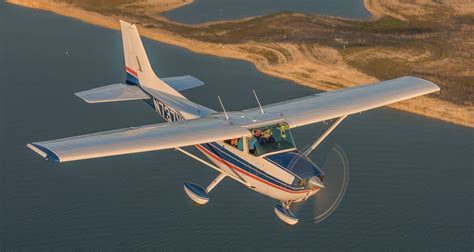
For a prospective pilot starting training with a $10,000 employer sponsorship, the PPL may initially seem like a low-barrier path to the skies. But costs evolve rapidly post-certification.
To rent a plane frequently enough to maintain proficiency—say, around 200 hours annually—can reach $45,000/year. This includes hourly rental fees, fuel surcharges, and instructor refreshers. The alternative, aircraft ownership, introduces upfront and staggered costs:
- Avgas fill-up: ~$110 per tank
- Annual inspection: Required by FAA, typically $1,200–$2,000
- Insurance: Highly variable; expect $1,000–$2,500/year depending on aircraft and pilot experience
- Hangar or tie-down fees: Ranges from $100–$500/month
These amounts add up. However, per-hour costs decrease over time in ownership due to fixed expenses being amortized over more flight hours.
For most private flyers not pursuing commercial use, shared ownership or flying clubs represent compelling alternatives. Here’s a snapshot of what’s typical:
- Fractional ownership: ~$7,000 CAD (~$5,200 USD) buy-in, $115/month dues, and $150/hour (fuel included)
- Flying club memberships: ~$4,500 buy-in, $50/month dues, hourly rates between $50–$110
These setups provide structured access to well-maintained aircraft, reduce per-hour costs significantly, and come with built-in community and maintenance support.
Time Commitment and Skill Retention: More Than a Monthly Hobby
A PPL never technically expires—but your ability to use it safely does. Legally, to carry passengers, you must perform three takeoffs and landings every 90 days and complete a biennial flight review (BFR): one hour of ground instruction, one hour in-flight.
But currency is not proficiency. Flying just once a month may meet FAA minimums but leaves little room for emergency maneuvers, crosswind landings, or systems failure drills. Pilots returning after even short breaks often describe needing several hours to regain confidence and precision.
Weekly flying is ideal. It supports muscle memory, radio fluency, and VFR planning instincts. With longer gaps, skill decay becomes measurable—and potentially dangerous.
To maintain safe operational standards, we recommend budgeting at least $5,000–$6,000 annually, even when using club rentals or co-ownership models. This covers hourly usage, review flights, and periodic instructor checkouts.
Alternative Ratings: Cost-Sensitive Routes to the Sky
Not every would-be aviator needs a full Private Pilot License to get airborne. Depending on goals, several lower-cost options may deliver much of the same joy:
- Sport Pilot Certificate: Costs half as much to obtain. Aircraft are limited to light sport models (max 1 passenger, VFR daylight only), but many consider them perfect for short scenic hops.
- Glider Rating: No engine, no fuel costs. Weather-dependent and seasonal, but offers unmatched stick-and-rudder training and situational awareness development.
These routes reduce both training costs and ongoing expenses, though they naturally limit range, speed, and mission profile. Still, for someone looking for pure recreational joy, they’re compelling options.

Institutional Gatekeeping: Checkout Requirements & Insurance Needs
Even with a PPL, you don’t just show up and fly any rental aircraft. Most flight schools and FBOs (Fixed Base Operators) require a checkout ride before you can rent solo. This typically includes:
- Basic and emergency maneuvers
- Short/soft field takeoffs and landings
- Diversion and navigation planning
Even club aircraft, while more flexible, may impose minimum currency standards and require additional flight reviews if members are inactive.
Insurance, while not required by law, is functionally mandatory. Rental operators may include basic liability, but most require pilots to carry renter’s insurance. These typically cost $150–$400 annually and cover damage liability.
Ownership, fractional or full, adds complexity. Hull and liability insurance become critical, with premiums linked to experience, training, and aircraft value. For new PPL holders, especially under 100 hours, rates are notably higher.
Balancing Career, Life, and Flying Time
One of the great challenges of general aviation is maintaining relevance amid a busy schedule. Most PPL holders are not full-time pilots. They juggle demanding jobs, family obligations, and travel.
If you fly less than monthly, each return flight may involve additional dual instruction, longer preflights, and psychological hesitation. This increases both costs and risks. Pilots often report that weekly flights, even short ones, build confidence, extend aircraft familiarity, and make checkouts smoother.
If time is scarce, leveraging flying clubs or sharing ownership helps reduce prep time. Familiar aircraft, known instructors, and centralized scheduling tools streamline the experience.
Employer Sponsorship: Clarify Expectations, Maximize Value
A $10,000 employer education benefit is a remarkable opportunity. However, it’s crucial to clarify whether there are return obligations. If the sponsorship is not aviation-specific and not tied to your role, there may be minimal strings attached.
Still, in many cases, employers expect a retention period, or at least some professional relevance. Use this opportunity to plan your flight training smartly:
- Stretch funds using Part 61 schools with flexible scheduling
- Pursue ground school via self-paced online courses to save instructor time
- Consider clubs that partner with flight schools to extend aircraft access after licensure
The sponsorship can fully cover most of the cost of a basic PPL if budgeted carefully. That initial outlay—when paired with club flying or shared ownership—can keep long-term costs manageable.
Is It Worth It? Yes—But Only If You’ll Use It
Ultimately, the Private Pilot License is worth it—not in financial terms, but in experiential ones. If you:
- Are passionate about flying
- Can realistically budget $5,000–$6,000 per year
- Intend to fly at least once per month, ideally more
- Leverage clubs, co-ownerships, and training credits wisely
…then the return on investment comes in freedom, perspective, and lifelong learning.
It is not for everyone. The demands are real. But for those who make space for aviation in their lives, the skies offer a domain of personal fulfillment few hobbies can match.