Flying has evolved. Gone are the days when air travel offered just two classes: economy and first class. Today, premium economy has carved a space of its own, promising comfort and perks that bridge the gap between cramped economy seats and luxurious business suites. But with prices often doubling compared to economy, we must ask: is premium economy truly worth it? Let’s explore in detail.
Understanding What Premium Economy Offers
Premium economy is not a luxury, but it’s a step above basic. It caters to travelers who crave comfort, dignity, and better service without burning five figures on a ticket.
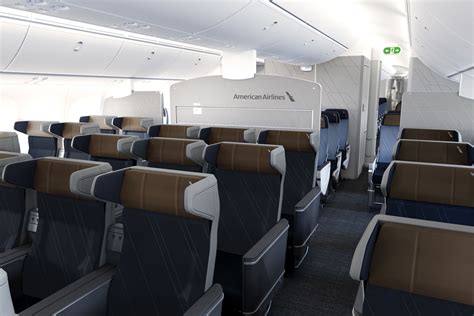
Unlike business class, it does not guarantee lie-flat beds, but it offers a measurably improved experience over economy. This begins from the moment you step into the airport. Many airlines extend priority check-in and boarding to premium economy passengers, and some even allow expedited security access. However, airport lounge access is typically not included unless offered through elite frequent flyer status or as a paid upgrade.
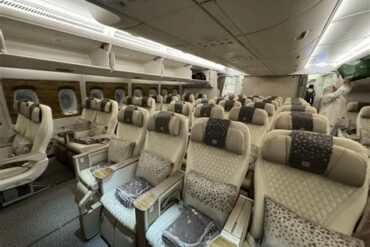
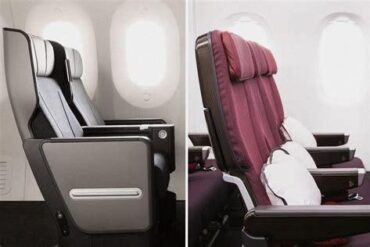
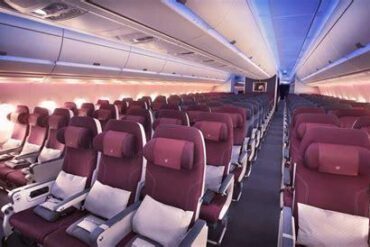
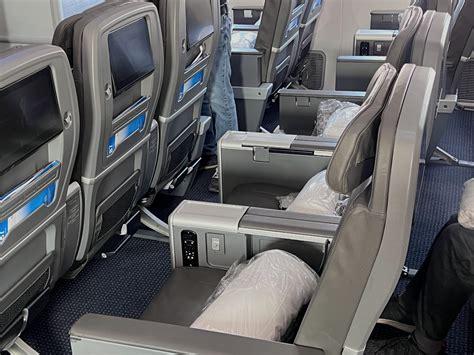
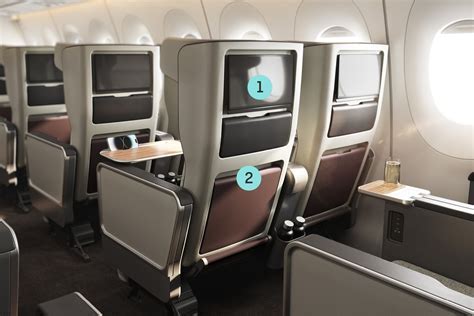
Onboard, the seat is the standout upgrade. Expect an average seat pitch of 38 inches (compared to 30–31 in economy), wider cushions, increased recline, and often a leg rest or footrest. The in-flight entertainment system (IFE) is typically upgraded as well, with larger screens, noise-reducing headphones, and a more responsive interface.
Airlines like Lufthansa, Singapore Airlines, and Emirates go further with enhanced meal services served on proper tableware, higher quality drinks, and amenity kits including basics like socks, toothbrushes, and sleep masks.
How Much More Does Premium Economy Cost?
The price difference between economy and premium economy can be striking—and inconsistent. Data from current fares show that while the average premium economy fare is about 2x the price of economy, variations are common:
- Virgin Atlantic (London–New York): +128.5%
- Lufthansa (Frankfurt–Dubai): +160.5%
- Emirates (Dubai–Los Angeles): +65.4%
At the lower end, upgrading for a 30–50% premium can be a bargain, especially on long-haul flights. Emirates, for instance, offers one of the best premium economy products in the sky for less than a 70% markup on certain routes—an excellent value for flights spanning 12+ hours.
But fares can soar quickly. A $3,200 ticket versus a $1,400 economy seat may make you reconsider unless you deeply value the added perks or are leveraging points, upgrades, or business expenses.
A Detailed Cabin Comparison: Premium Economy vs Economy
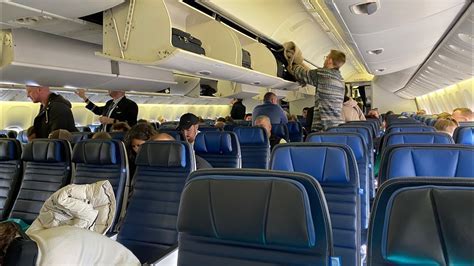
Let’s take Lufthansa’s Airbus A350-900 as a case study. Their premium economy product features a 2-3-2 seat configuration, versus 3-3-3 in economy, signaling more space and fewer passengers per row.
| Feature | Premium Economy | Economy |
|---|---|---|
| Seat Width | 19″ (23″ shoulder width) | 18″ |
| Seat Pitch | 38″ | 31″ |
| Recline | 8″ | 6″ |
| Screen Size | 11.7″ HD Touchscreen | 9″ HD Touchscreen |
| Foot/Leg Support | Ladder-style footrest | None |
| Power Outlets | AC + USB-A | USB-A only |
| Cabin Configuration | 2-3-2 | 3-3-3 |
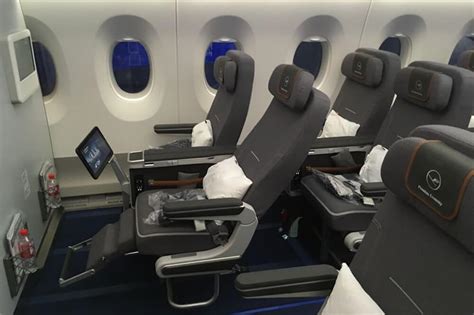
This 30% screen size increase, the addition of footrests, bigger pillows, and upgraded headphones all contribute to a more restful experience—especially for red-eye and intercontinental flights.
The Value of Comfort on Long-Haul Flights
The longer the flight, the more value you squeeze from premium economy. On overnight transpacific or transatlantic routes, the added legroom, recline, and seat width mean better sleep, less fatigue, and improved circulation. Frequent travelers often report arriving more refreshed and less jet-lagged.
Besides, meals are a step up. Airlines like Singapore Airlines and Japan Airlines serve restaurant-style meals in premium economy, with wider menus, better presentation, and quality wine or spirits.
Booking Tips: When Premium Economy Is Worth It
If the price is right, premium economy is a smart investment in comfort. Here are situations when the upgrade is worth serious consideration:
- Flights over 8 hours: Comfort gains multiply with time.
- Red-eye or overnight travel: Better sleep equals better health.
- Business trips: Arrive sharp, not sore.
- Elderly or taller passengers: Extra space can be crucial.
- Using miles or bidding upgrades: Makes the cost negligible.
On some occasions, travelers can upgrade with frequent flyer miles, bidding systems, or promotional offers post-booking. This often results in significant savings over outright purchasing a premium economy fare.
Is It Better Than Business Class?
No. But it depends. Business class offers lie-flat beds, lounge access, gourmet dining, and significantly more privacy. However, the price difference is enormous—often 5x the cost of economy and 2–2.5x that of premium economy.
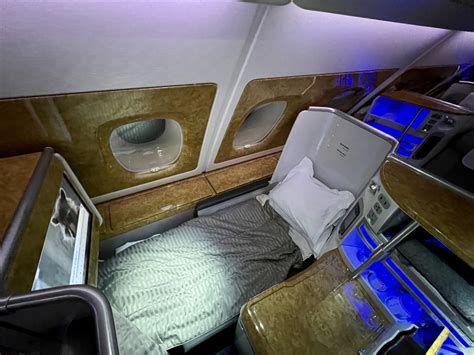
If budget permits, business class is unbeatable for international travel. But if you’re debating between economy and business, premium economy serves as a smart middle ground, giving you the most vital upgrades at a fraction of the price.
Top Airlines for Premium Economy in 2025
As per the SKYTRAX World Airline Awards, certain airlines lead the charge with exceptional premium economy products:
- Virgin Atlantic – Best Premium Economy Airline and Onboard Catering
- Japan Airlines – Best in Asia
- Delta Air Lines – Best in North America
- Qantas Airways – Best in Australia/Pacific
- Emirates – Best Premium Economy Seat
- Singapore Airlines, EVA Air, and British Airways also rank highly
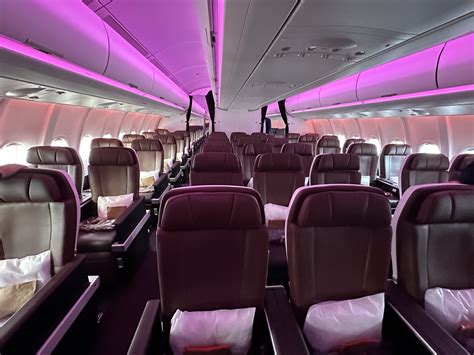
Meanwhile, airlines like Qatar Airways and Turkish Airlines have chosen not to offer premium economy at all, citing already superior economy offerings or strategic fleet choices.
The Verdict: Is Premium Economy Worth It?
Yes—when priced fairly and on the right airline.
Premium economy is a compelling class that offers a sophisticated blend of value and comfort. It delivers tangible benefits—from seating and meals to faster boarding and extra baggage—that matter more as flight durations increase.
Its true value lies in its balance: a premium product that doesn’t require a premium bank account. If you value personal space, better rest, and a smoother journey, premium economy is often worth the splurge, especially for international flights.
Ultimately, it’s a strategic choice. A middle path. And for many travelers, a premium that pays off.