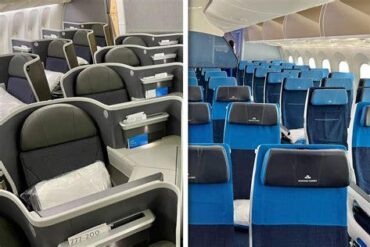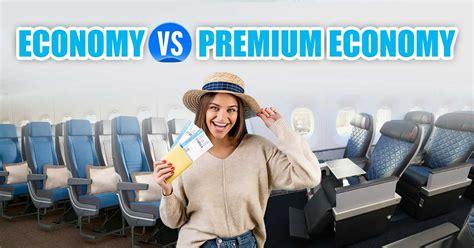
Long-haul air travel has evolved dramatically over the past two decades. Airlines now offer more cabin choices than ever before, allowing travelers to balance cost, comfort, and convenience depending on their priorities. One of the most notable developments in modern aviation is the rise of premium economy, a cabin class designed to bridge the gap between traditional economy class and expensive business class seats.
For passengers embarking on journeys that can last anywhere from eight to sixteen hours—or even longer—the difference between these two cabins can significantly affect the overall travel experience. Extra legroom, improved service, better meals, and a more spacious environment can transform an exhausting trip into a far more comfortable journey.
Yet many travelers still wonder whether the extra cost of premium economy truly delivers meaningful improvements over standard economy seats. On long-haul flights, the differences are far more pronounced than many people expect. From cabin layouts and seat dimensions to onboard service and loyalty rewards, premium economy offers a noticeably upgraded experience.
Understanding how these cabins differ helps travelers decide whether paying more for premium economy is worth the investment—especially on long intercontinental routes where comfort matters most.
Lower-Density Cabin Layout Creates More Space
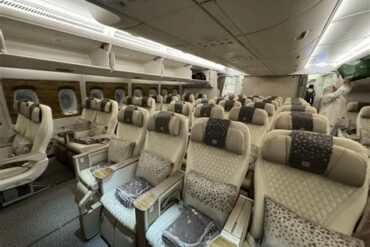
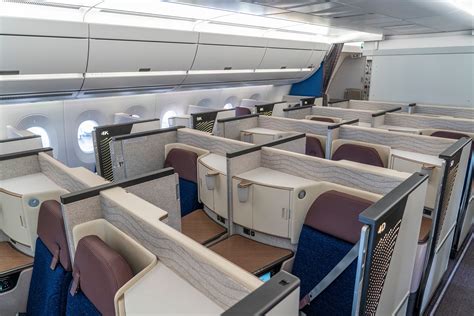
The most visible difference between premium economy and economy on long-haul flights is the cabin configuration. Airlines design economy cabins to carry as many passengers as possible. This high-density arrangement helps keep ticket prices relatively affordable, but it also results in tighter seating and limited personal space.
Premium economy takes a different approach. Airlines intentionally install fewer seats in the cabin, sacrificing capacity in exchange for improved passenger comfort and higher ticket revenue. This design decision fundamentally changes how the cabin feels.
On many widebody aircraft, economy cabins are arranged in configurations such as 3-4-3 on Boeing 777 aircraft or 3-3-3 on Airbus A350 jets. These layouts pack rows tightly across the fuselage to maximize seating.
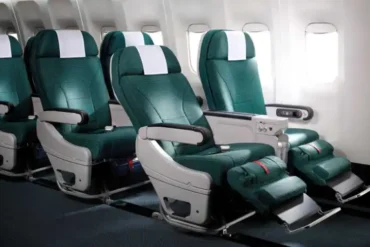
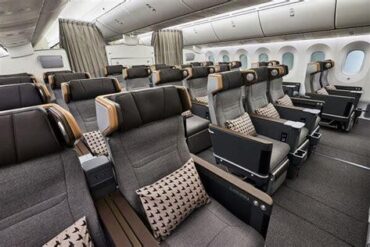
Premium economy cabins, however, usually adopt more spacious arrangements such as:
- 2-4-2 seating on large aircraft like the Airbus A380
- 2-3-2 layouts on widebody jets such as the Airbus A350
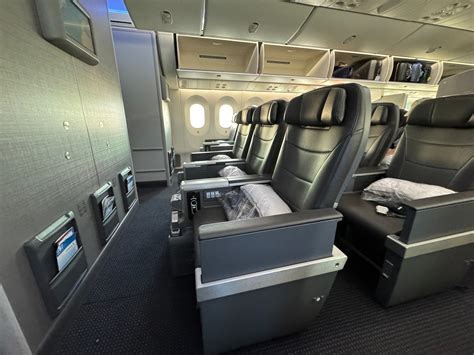
By removing one or two seats per row, airlines create a noticeably wider cabin environment. Passengers gain more elbow room, wider aisles, and a generally quieter atmosphere due to the smaller number of travelers sharing the space.
The lower density also contributes to a sense of exclusivity. Premium economy is typically located in its own dedicated section between business class and economy. This separation helps create a more relaxed travel environment and often allows for faster boarding, easier overhead bin access, and less crowding during the flight.
Seat Dimensions Are Significantly Larger
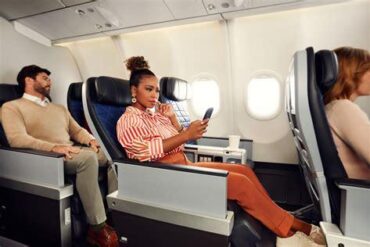
While the cabin layout sets the stage, the actual seat measurements reveal the most meaningful differences between premium economy and economy.
Seat comfort on long-haul flights is primarily determined by three key factors:
- Seat pitch (distance between rows)
- Seat width
- Recline angle
Premium economy improves all three.
Across major international airlines such as Emirates, Singapore Airlines, ANA, and Japan Airlines, premium economy seats consistently offer larger dimensions than their economy counterparts.
Typical measurements include:
Economy Class
- Seat pitch: around 32–34 inches
- Seat width: 17–18.5 inches
- Recline: roughly 5–6 inches
Premium Economy
- Seat pitch: 38–42 inches
- Seat width: 18.9–19.5 inches
- Recline: 7–8 inches
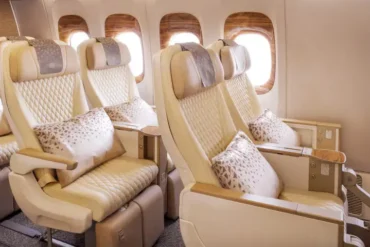
These improvements might appear modest on paper, but over a long flight they create a dramatically more comfortable environment. A few extra inches of pitch means passengers can stretch their legs, adjust their posture, and avoid the cramped feeling that often develops after several hours in economy.
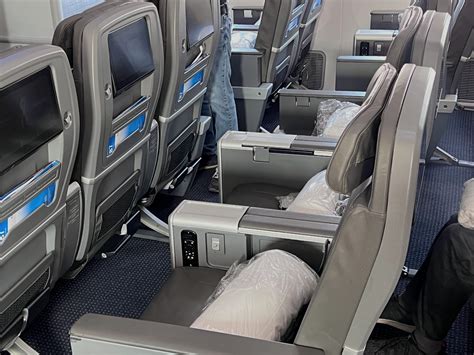
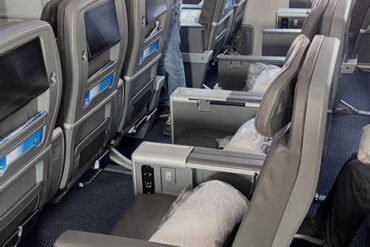
Airlines often enhance these seats further with additional features, including:
- Leg rests or footrests
- Adjustable headrests
- Larger tray tables
- Expanded storage compartments
- Bigger seat-back entertainment screens
These details make a significant difference when passengers are trying to sleep, watch movies, or work during a long flight.
Enhanced Onboard Service and Amenities
Beyond the seat itself, premium economy passengers enjoy a noticeably improved in-flight service experience.
Many airlines provide premium economy travelers with small touches that elevate the journey beyond what economy passengers receive. While these perks do not reach the luxury levels of business class, they add meaningful value during long trips.
Typical premium economy amenities include:
- Welcome drinks before departure
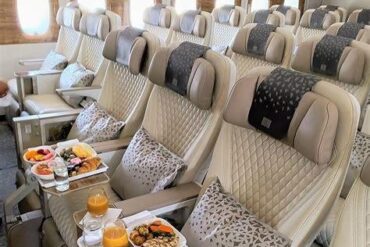
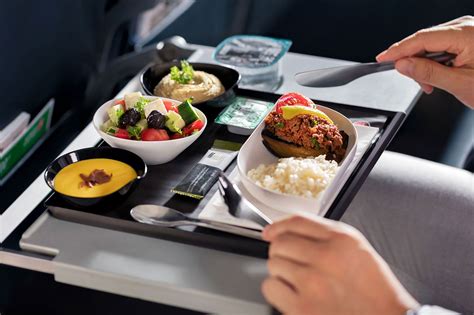
- Higher-quality meal selections
- Larger meal portions
- Enhanced beverage options
- Amenity kits with travel essentials
Airlines such as Singapore Airlines, Emirates, Cathay Pacific, and United Airlines frequently provide amenity kits containing items like eye masks, socks, toothbrushes, and skincare products. These small comforts can make overnight flights far more pleasant.
Meal service also tends to feel more refined. Premium economy passengers may receive multi-course meals served on proper dishware, whereas economy meals are typically delivered in simpler packaging.
The cabin crew often provides a more attentive service as well. With fewer passengers in the premium economy section, flight attendants can respond more quickly to requests and maintain a calmer cabin atmosphere.
Airport Benefits Improve the Travel Experience
The advantages of premium economy frequently begin long before passengers step onto the aircraft.
Many airlines offer priority airport services to travelers in this cabin class, allowing them to avoid the long lines that economy passengers often encounter.
These benefits may include:
- Dedicated check-in counters
- Priority boarding
- Additional baggage allowance
- Faster baggage handling at arrival
These conveniences save time and reduce stress at busy international airports.
Some airlines even extend additional privileges. A few carriers—such as ANA, Japan Airlines, and Scandinavian Airlines (SAS)—occasionally provide lounge access to premium economy passengers on certain routes or fare categories.
Although this perk is not universal, it highlights how airlines continue to expand the premium economy experience as competition grows.
More Frequent Flyer Miles and Points
For frequent travelers who participate in airline loyalty programs, premium economy offers another major advantage: higher mileage earnings.
Because premium economy tickets are more expensive than economy fares, airlines typically reward passengers with a larger number of frequent flyer miles or loyalty points.
The difference can be substantial. On comparable long-haul routes, premium economy travelers may earn 30% to more than 200% additional miles compared with economy passengers, depending on the airline and fare category.
For example:
- Emirates often awards roughly 33% more miles for premium economy bookings.
- Singapore Airlines may provide about 42% additional mileage credit.
- United Airlines can offer dramatically higher earnings—sometimes exceeding 200% more miles depending on the fare class.
These extra rewards accumulate quickly for travelers who fly frequently. Over time, premium economy flights can help passengers reach elite status tiers faster, unlocking further benefits such as upgrades, priority services, and lounge access.
For business travelers and aviation enthusiasts who regularly cross continents, these loyalty advantages can significantly increase the long-term value of choosing premium economy.
Ticket Prices Are Noticeably Higher
Of course, the improved comfort and services come at a price.
Premium economy tickets generally cost 50% to 80% more than economy fares on long-haul routes. On ultra-long-haul flights, the difference may approach or even exceed 100% more than economy.
However, pricing can fluctuate dramatically depending on several factors:
- Travel season
- Route popularity
- Airline competition
- Seat availability
- Advance booking time
Some routes show extreme price gaps. For instance, on high-demand routes such as London Heathrow to New York JFK, airlines like British Airways have occasionally priced premium economy seats several times higher than the lowest economy fares during peak travel periods.
Despite this price difference, premium economy still remains far cheaper than business class, which can cost three to five times more than economy tickets.
For many travelers, premium economy represents the most practical balance between comfort and affordability on long-haul flights.
Another option occasionally available is upgrading from economy. Airlines sometimes allow passengers to bid for upgrades or redeem frequent flyer miles to move into premium economy at a lower cost than purchasing the ticket outright.
These opportunities vary widely depending on route demand and seat availability.
Why Airlines Are Expanding Premium Economy Cabins
Airlines have increasingly embraced premium economy because it appeals to a large group of travelers who want better comfort but cannot justify business class prices.
From a revenue perspective, this cabin class is extremely attractive. By slightly reducing seat density and charging higher fares, airlines generate more income per square foot of cabin space.
As a result, many airlines are expanding premium economy cabins across their widebody fleets. Aircraft such as the Boeing 787 Dreamliner, Airbus A350, and Airbus A380 now frequently feature dedicated premium economy sections.
The growing popularity of ultra-long-haul routes—such as flights exceeding fifteen hours—has further increased demand for this intermediate cabin class.
Passengers on these marathon journeys often find the additional comfort worthwhile, especially when traveling overnight.
Is Premium Economy Worth It on Long-Haul Flights?
Whether premium economy is worth the extra cost ultimately depends on the traveler’s priorities.
For short flights of two or three hours, the difference between economy and premium economy may feel minimal. But on flights lasting ten hours or more, the improvements become far more noticeable.
Additional legroom, wider seats, better meals, quieter cabins, and improved service can significantly reduce the fatigue associated with long-haul travel.
Passengers who value comfort, sleep quality, and personal space often find that premium economy offers a meaningful upgrade without the steep cost of business class.
However, travelers focused strictly on minimizing expenses may prefer sticking with economy seats—particularly when the price difference becomes extremely large.
Ultimately, premium economy has carved out an important niche in modern aviation. It offers a balanced solution for passengers seeking greater comfort, better service, and enhanced travel experiences without stepping into the premium price territory of business class.
As airlines continue to refine their products and expand this cabin class, premium economy is likely to remain one of the most attractive options for long-haul travelers looking to make their journey more comfortable while keeping costs within reason.