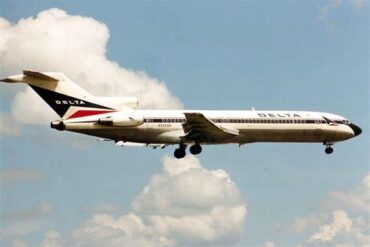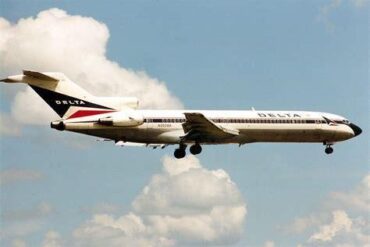
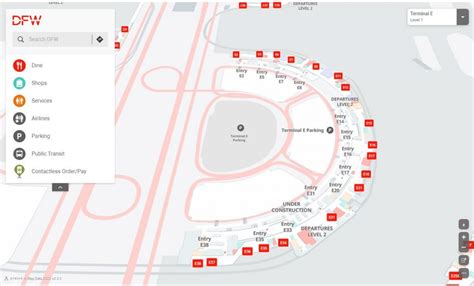
For more than three decades, Delta Air Lines maintained a robust operational hub at Dallas/Fort Worth International Airport (DFW), one of the most important airports in the United States. But by January 2005, that presence vanished almost entirely. At its peak, Delta accounted for approximately 30% of DFW’s daily traffic, operating over 250 daily flights from Terminal E. Today, its footprint is a mere shadow of what it once was, reduced to a modest schedule of regional connections. What happened to provoke such a dramatic shift? The story of Delta’s de-hubbing of DFW is not only a tale of corporate realignment but also a reflection of broader competitive dynamics within the aviation industry.
Delta’s Rise at DFW: From Expansion to Entrenchment
When Dallas/Fort Worth International Airport opened its runways in 1974, Delta Air Lines was among its founding tenants. With the airport strategically situated between two major cities in the state of Texas and boasting enormous capacity for growth, it quickly became a central point in Delta’s domestic network. For decades, Delta operated DFW as a full-fledged hub, connecting mid-continent travelers to every corner of the United States.
Throughout the 1980s and 1990s, Delta expanded aggressively at DFW. Its Terminal E gates buzzed with activity as the airline competed neck-and-neck with American Airlines, DFW’s other heavyweight tenant. The airline’s commitment to DFW wasn’t a sideshow — it was a pillar in Delta’s fortress hub strategy, alongside its strongholds in Atlanta and Cincinnati.
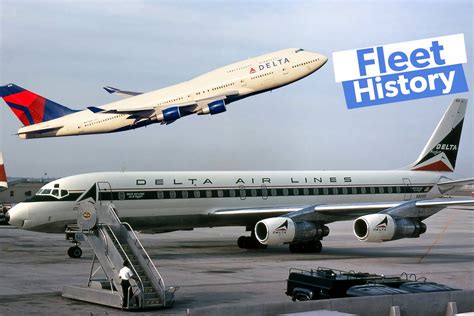
But cracks in that foundation began to emerge by the early 2000s. American Airlines had been aggressively consolidating its dominance at DFW, thanks in part to its headquarters being located in Fort Worth and its growing domestic and international networks. The competitive landscape was becoming increasingly unbalanced.
The Collapse: What Forced Delta Out?
Delta’s de-hubbing of DFW wasn’t the result of a single misstep — it was the inevitable outcome of intersecting economic, competitive, and strategic forces.
Unrelenting Competition From American Airlines
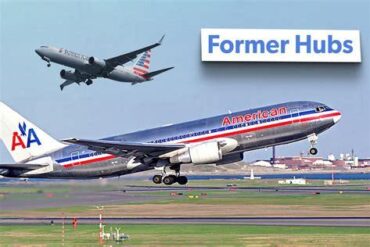
Delta faced relentless pressure from American Airlines, which controlled more gates, offered more frequencies, and maintained deeper relationships with the Dallas business community. American’s dominance in schedules and loyalty programs made it difficult for Delta to sustain competitive yields. The battle for market share required aggressive pricing and heavy discounting, draining Delta’s margins.
Financial Turmoil and Looming Bankruptcy
By the early 2000s, Delta’s financial picture was bleak. The airline was hemorrhaging cash, battling rising fuel prices, and struggling with post-9/11 downturns. In 2005, Delta filed for Chapter 11 bankruptcy, a culmination of years of red ink. Cost-cutting became imperative. DFW, already underperforming, was deemed expendable in a bid to stabilize the airline.
Redundancy in Route Network
Delta’s hub at DFW increasingly overlapped with more efficient and higher-yielding hubs such as Atlanta (ATL) and Salt Lake City (SLC). In terms of network design, DFW offered limited unique value. Geographically, it sat awkwardly between the southeast and western hubs. The lack of differentiation made it vulnerable when the carrier’s network needed tightening.
Strategic Realignment and Workforce Impact
In its 2004 Annual Report, Delta outlined a transformation plan that would involve eliminating up to 7,000 jobs, with 3,600 of them at DFW alone. This was not a reactive retreat; it was part of a broader restructuring effort aimed at shedding unprofitable operations. CEO Gerald Grinstein stated candidly at the time, “We’re working hard and fast to avoid declaring bankruptcy.”
The Aftermath: How DFW and Delta Changed
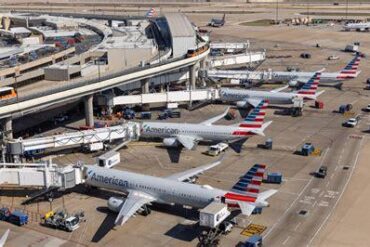
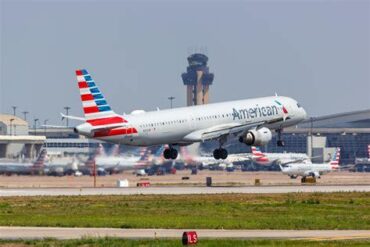
Delta’s exit from DFW left a gaping hole, but not for long. American Airlines swiftly seized the opportunity to consolidate control over DFW. It assumed many of the abandoned Terminal E gates, expanded its schedule, and strengthened international routes.
The departure effectively turned DFW into a fortress hub for American. Today, American operates nearly one-third of its total capacity from DFW, making it one of the largest hub operations in the world. From DFW, passengers can reach virtually every U.S. city and a broad array of international destinations.
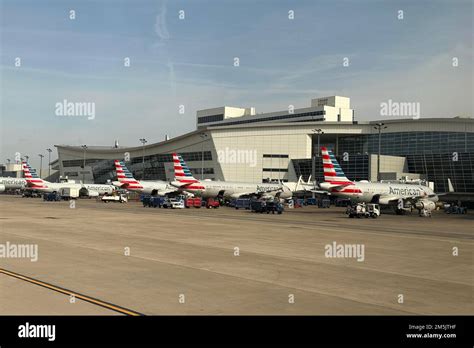
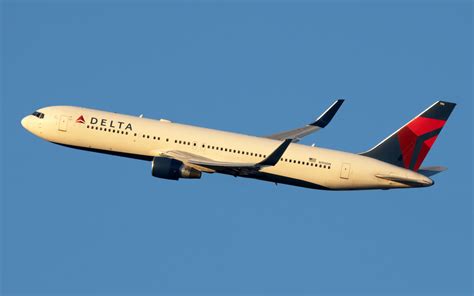
In contrast, Delta’s presence at DFW dwindled. While it still maintains a few daily regional flights to its other hubs — particularly Atlanta — the airline has no significant infrastructure or long-haul service at the airport. It also means that Delta has a weaker hold in the Central and South-Central United States, an area heavily reliant on DFW for air travel connectivity.
Airline Hub Strategy: Delta’s Exit in Context
While Delta’s departure from DFW might seem dramatic, it aligns with similar moves by other U.S. carriers.
- United Airlines de-hubbed Cleveland Hopkins in 2014, citing low demand and overlap with its Chicago operations.
- American Airlines scaled back St. Louis Lambert, previously a TWA stronghold, due to network redundancies.
What made Delta’s DFW exit unique was the scale and timing. DFW wasn’t a secondary market — it was a premier, high-volume airport. Abandoning a hub of that caliber underlined the severity of Delta’s financial predicament and the boldness of its transformation strategy.
Economic and Passenger Impact on DFW
For passengers in the Dallas/Fort Worth area, Delta’s exit had mixed consequences. On the one hand, it narrowed airline choice, giving American even more pricing power on key routes. On the other hand, it allowed low-cost carriers like Spirit and Frontier to enter and offer alternatives, albeit with limited scope and frequency.
For DFW itself, losing a top-tier tenant could have spelled trouble. But the airport’s strategic location and massive infrastructure made it attractive to other players. DFW soon rebounded, and today it ranks among the world’s busiest and most profitable airports.
Could Delta Ever Return in Force?
Given the dominance of American Airlines and the infrastructure it controls at DFW, a Delta resurgence appears unlikely. Terminal space, gate access, and market share are all tilted heavily in American’s favor. Re-establishing a hub would require massive capital investment and intense market penetration in a city where brand loyalty is already deeply entrenched.
Instead, Delta has doubled down elsewhere. Atlanta (ATL) remains its flagship hub, with over 1,000 daily departures, while Salt Lake City and Minneapolis–St. Paul continue to grow. In recent years, Delta has also invested heavily in New York (JFK and LGA) and Los Angeles (LAX), targeting premium markets and international routes.
Lessons from the DFW Departure
Delta’s strategic withdrawal from DFW remains a case study in airline adaptation. It illustrates how even the largest carriers must make hard choices to survive shifting economic tides and competitive threats. Delta’s retreat wasn’t a sign of weakness but rather a demonstration of corporate pragmatism.
While Delta sacrificed a prime geographic location, it emerged from bankruptcy leaner and more focused. The airline today is one of the most profitable in the U.S., with a disciplined hub strategy that emphasizes strength over sprawl.
Final Thoughts
The story of Delta at DFW is a window into the volatile world of commercial aviation, where even powerful legacies can be rewritten by market realities. Delta didn’t lose DFW because it lacked ambition — it left because the numbers stopped making sense. American Airlines won the turf war, but Delta won the war for survival.
As of 2025, DFW is synonymous with American Airlines, and there is no serious sign that Delta intends to challenge that status quo. Instead, the carrier has refocused its energy on markets where it can lead, not follow. In doing so, Delta has shown that in aviation, as in business, knowing when to walk away is sometimes the most strategic move of all.