Understanding the Sport Pilot License (SPL)
For those driven by the dream of flight but deterred by the complexity, cost, or time commitment of traditional pilot certifications, the Sport Pilot License (SPL) offers a more accessible pathway into aviation. Introduced in 2004 by the FAA, the SPL was designed to reduce the barriers to entry for recreational pilots, emphasizing simplicity, affordability, and safety.
Unlike the Private Pilot License (PPL), the SPL requires fewer flight hours, less intensive medical certification, and a focus on Light Sport Aircraft (LSA), which are typically smaller, slower, and more cost-effective to operate. But while it unlocks the door to the skies, the SPL does come with its own set of operational limitations and strategic trade-offs.
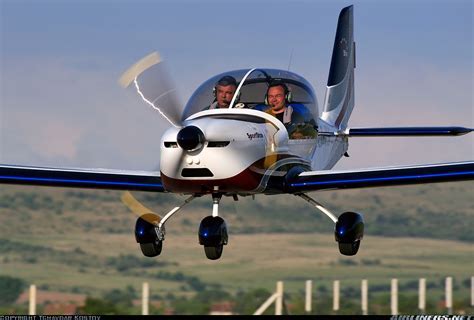
What Is a Sport Pilot License?
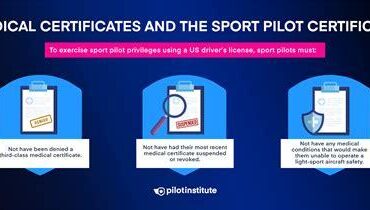
The Sport Pilot License allows individuals to act as pilot-in-command of a light sport aircraft (LSA) without holding a traditional medical certificate, assuming they possess a valid U.S. driver’s license. This license is particularly attractive for recreational pilots or those unable or unwilling to pass the third-class FAA medical exam.
Key eligibility requirements include:
- Be at least 17 years old
- Hold a U.S. driver’s license as evidence of medical fitness
- Be proficient in English
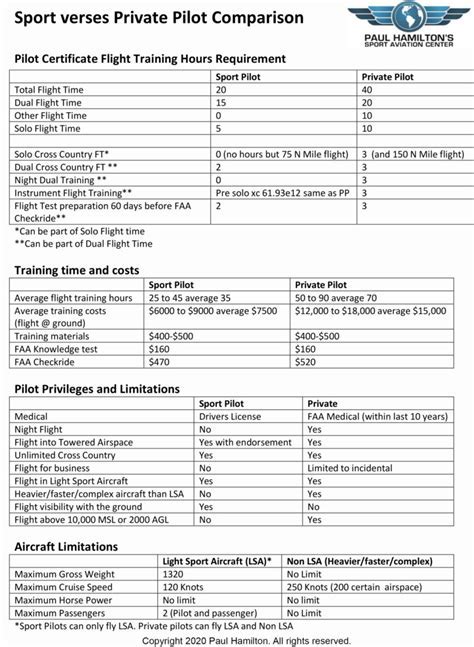
- Complete a minimum of 20 flight hours (15 dual, 5 solo)
- Pass the FAA knowledge and practical exams
The SPL is best suited for individuals who want to fly for fun, remain within local airspaces, and operate in good weather conditions during daylight hours.
Light Sport Aircraft: Simplicity in Design and Operation
Light Sport Aircraft are central to the SPL. These aircraft are designed to be easy to fly, simple to maintain, and affordable to operate. The FAA defines LSAs based on several characteristics:
- Maximum takeoff weight: 1,320 pounds (1,430 pounds for seaplanes)
- Maximum stall speed: 45 knots
- Maximum speed in level flight: 120 knots
- Fixed landing gear and propeller
- Single or two seats only
Popular LSAs include the Sonex Onex, Aeromarine Merlin, and Pipistrel Alpha Trainer—aircraft designed to deliver straightforward flight experiences without compromising on fun.
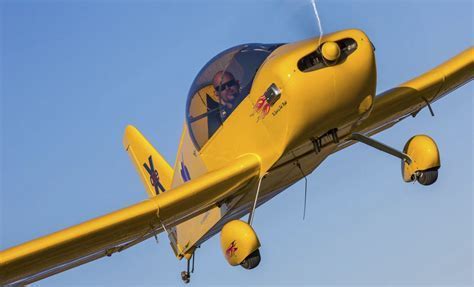
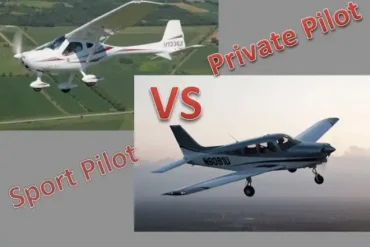
Comparing SPL and PPL: What’s the Difference?
While the SPL may appear to offer a shortcut, its limitations compared to the Private Pilot License are significant and must be understood before committing.
SPL restrictions include:
- No night flying
- No flight in Class A or Class G uncontrolled airspace above 10,000 ft
- No flight in reduced visibility (i.e., IFR)
- No passengers beyond one additional occupant
- No compensation or commercial activity
However, pilots may obtain endorsements to access Class B, C, and D airspace after additional ground training and a logbook endorsement. This allows SPL holders to operate in more controlled environments, increasing mission flexibility.
PPL Advantages Over SPL:
- Greater aircraft options, including faster and more complex models
- Ability to fly at night and under more diverse weather conditions
- Broader airspace access without endorsements
- More opportunities for progression into commercial or instrument ratings
Training Time and Real-World Experience
Though the SPL requires a minimum of 20 hours of flight training (versus 40 for the PPL), these minimums are rarely sufficient. Students typically need additional hours to meet the proficiency required to pass the FAA checkride.
Many instructors note that SPL checkride standards are nearly identical to those for a PPL. The primary difference lies in the limitations applied post-certification. This insight often leads prospective sport pilots to reconsider their trajectory, especially when the time and training investments begin to mirror those required for a private license.
As one certified instructor on r/flying commented:
“The checkride and required training are essentially the same. The SPL has severe limitations, so I wouldn’t go that route unless you can’t get a medical certificate.”
Accessibility and the Role of Medical Requirements
A key selling point of the SPL is the elimination of the need for a third-class medical certificate. Pilots can fly LSAs if they possess a valid U.S. driver’s license and can self-certify that they are medically fit.
This is crucial for individuals with medical conditions that would disqualify them from obtaining a traditional FAA medical clearance. It opens the door to aviation for those who would otherwise be grounded.
However, those who can pass a medical are strongly encouraged to pursue a PPL, as it unlocks long-term advantages and greater flexibility in the skies.
LSA Rentals and Aircraft Ownership Considerations
One of the practical challenges facing SPL holders is aircraft access. While Light Sport Aircraft are increasingly available, they are still relatively uncommon at many flight schools and rental fleets.
“LSA rentals are tough to come by currently,” one pilot shared on Reddit. “Even if there was one in my area, no one would rent to you without a PPL.”
This scarcity often pushes SPL holders toward aircraft ownership, either through purchasing a used LSA or investing in an experimental or homebuilt aircraft. Models like the Aeromarine Merlin or Sonex Onex offer cost-effective solutions for private ownership but come with maintenance and regulatory responsibilities.
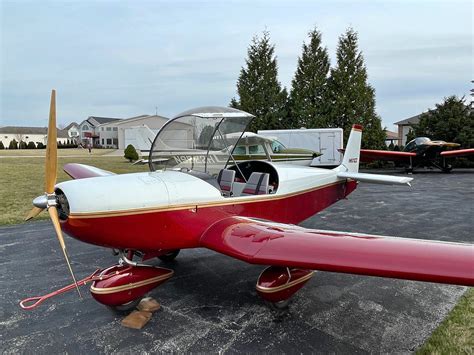
Mission Profile: Is the SPL Right for You?
To determine if the SPL is the right choice, pilots must align the license’s limitations with their flight mission profile. For those who:
- Fly for recreational purposes only
- Rarely need to fly at night
- Have no plans for instrument or commercial ratings
- Prefer low-cost aircraft ownership
The SPL can be an excellent fit.
However, for those who envision:
- Cross-country flights over unfamiliar terrain
- Night flying
- Potential career progression in aviation
…the SPL will feel increasingly restrictive over time.
Looking Forward: The Impact of MOSAIC
The upcoming FAA initiative known as MOSAIC (Modernization of Special Airworthiness Certification) is poised to redefine the boundaries of Light Sport Aircraft and the privileges of sport pilots.
MOSAIC proposes to:
- Expand the definition of LSAs to include heavier and faster aircraft
- Allow variable-pitch propellers and constant-speed engines
- Permit limited IFR operations for sport pilots
These changes, expected to take effect within the next two years, could significantly enhance the value proposition of the SPL by providing access to a broader array of aircraft and missions. If successful, MOSAIC might shift the SPL from a niche recreational credential into a legitimate, long-term alternative to the PPL for many pilots.
Conclusion: Weighing Cost, Freedom, and Flight Goals
The Sport Pilot License occupies a unique space in the world of general aviation. It offers an attainable, less burdensome route into the sky for those content with limited range, scope, and airspace access. It’s a license built for joyrides, local hops, and personal exploration, not professional ambitions or complex missions.
That said, the value of the SPL is highly contextual. It depends on each pilot’s medical eligibility, budget, geographic location, and aerial ambitions. For some, it’s a perfect gateway to aviation. For others, it’s a stepping stone—or a dead end.
With the future of MOSAIC on the horizon and ongoing shifts in LSA availability, we must watch closely as the SPL evolves. It may yet emerge as a cornerstone of recreational aviation in the United States.
FAQs
Can I fly at night with a Sport Pilot License?
No. Sport pilots are strictly limited to daylight operations under Visual Flight Rules (VFR). Night flying is prohibited, even with additional endorsements or training.
Can I rent a Light Sport Aircraft (LSA) easily?
Currently, LSA rentals are limited and not widely available at many flight schools. Some rental companies may also restrict rentals to PPL holders due to insurance or liability policies. It’s advisable to verify local availability before committing to SPL training.
How is the SPL checkride different from a PPL checkride?
The SPL checkride evaluates similar core competencies as the PPL, including flight maneuvers, emergency procedures, and airspace knowledge. The difference lies in scope, not rigor—with SPL restricted to LSA operations and fewer airspace and operational privileges post-certification.