Cross-country flying, often abbreviated as XC flying, is one of the most rewarding and technically demanding disciplines in aviation. It encapsulates the thrill of extended aerial journeys, the art of navigation, and the intellectual rigor of flight planning. Whether conducted in a powered aircraft or an unpowered glider, cross-country flying demands a nuanced mastery of meteorological awareness, aeronautical decision-making, and situational navigation. It is not merely about reaching a destination — it’s about doing so with precision, safety, and strategic foresight.
Understanding the Essence of Cross-Country Flying
At its core, cross-country flying involves flying from one point to another over a significant distance using planned navigational routes. This distinguishes it from local flights or aerial work restricted to a small geographic area. XC flying is a critical component of pilot training across the globe, forming a mandatory element in the curriculum for Private Pilot Licenses (PPL), Commercial Pilot Licenses (CPL), and Instrument Ratings (IR).
For powered aircraft, this form of flight generally means traveling between two distinct airfields using flight plans and navigation aids. In unpowered aircraft — such as sailplanes, paragliders, and hang gliders — pilots rely on thermal currents, ridge lifts, and other natural updrafts to maintain altitude and extend flight range.
Types of Aircraft in Cross-Country Missions
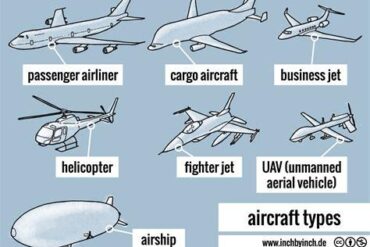
There are two primary categories of aircraft utilized in cross-country flying:
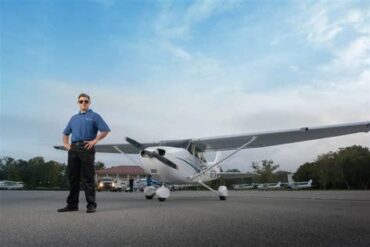
- Powered Aircraft – These include single-engine and multi-engine planes. They rely on standard aeronautical engines to maintain flight and range. Navigation relies on tools such as VOR systems, GPS, and autopilot integration.
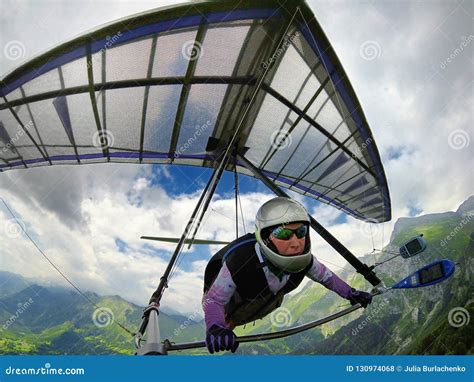
- Unpowered Aircraft – Gliders and hang gliders are used for performance flying that depends on atmospheric energy. Pilots in this category develop acute meteorological awareness and positional intuition, leveraging rising air to sustain flight.
Global Regulatory Definitions and Requirements
The definition of cross-country flying and its regulatory implications differ across countries, especially in terms of licensing and pilot certification.
United States (FAA)
According to the Federal Aviation Administration (FAA), cross-country time must meet specific criteria. For instance, a flight must:
- Be in an appropriate aircraft;
- Include a landing at a location other than the departure point;
- Involve navigation techniques like dead reckoning, pilotage, or electronic systems;
- Cover at least 50 nautical miles (NM) straight-line distance for most certificates, and different thresholds (15, 25, or 50 NM) depending on the type of license.
European Union (EASA)
Under EASA Part-FCL, a solo cross-country flight must be at least 150 NM in total distance and include full-stop landings at two aerodromes other than the departure point. This ensures proficiency in route planning, alternate landings, and en-route decision-making.
Canada
While Transport Canada does not define “cross-country” explicitly, the pilot community generally considers flights that require some form of navigation — often over 25 NM from the departure aerodrome — as valid cross-country experiences. Licensing requirements mandate travel between distinct airports, particularly for commercial licensing.
United Kingdom (UK CAA)
In the UK, cross-country is defined more liberally: any flight where the aircraft is more than 3 NM from the aerodrome qualifies. Despite the relatively short range, the requirement still ensures that pilots demonstrate navigational competence.
Essential Navigation Techniques in XC Flying
Effective cross-country flying hinges on accurate, real-time navigation. The tools and strategies pilots employ are as varied as the terrains they traverse:
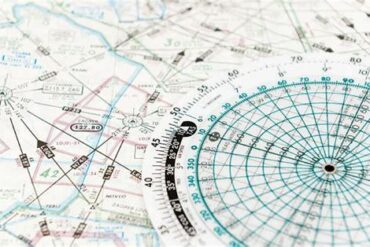
- Pilotage: Navigating by visual landmarks — rivers, roads, towns, and natural features.
- Dead Reckoning: Estimating position based on heading, speed, time, and wind correction.
- Electronic Navigation: Using GPS systems, VOR (VHF Omnidirectional Range), and NDBs (Non-Directional Beacons) for route tracking.
- Flight Planning Software: Tools like ForeFlight or SkyDemon allow route planning, terrain analysis, NOTAM integration, and weather overlays.
Meteorological Challenges and Planning
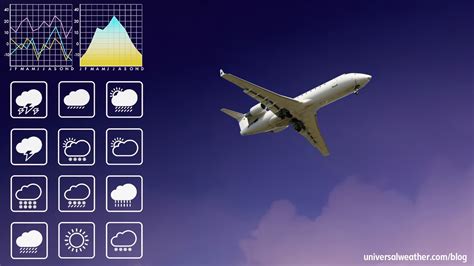
Weather plays a decisive role in cross-country flight safety. Before launch, pilots must interpret:
- Surface winds and upper winds
- Cloud base and coverage
- Thermal development (especially in unpowered flight)
- Frontal systems, TAFs, and METARs
Pilots must remain prepared to adapt or abort based on weather changes mid-flight, a skill that separates seasoned cross-country aviators from novices.
Cross-Country Flying in Gliders and Paragliders
In unpowered aviation, XC flying is a nuanced discipline. Pilots harness natural phenomena such as thermals, ridge lifts, and wave lifts. The success of a flight depends on reading the air — interpreting cloud formations, terrain triggers, and atmospheric signals.
Advanced XC glider pilots often pre-plan circuits exceeding 300 kilometers, with no engine to rely on for recovery. Decision-making is continuous: When to climb? When to glide? Where is the next thermal?
This form of flying builds extreme awareness and self-reliance. Competitions push distances over 1000 kilometers, with real-time tracking and route optimization.
Licensing and Training Implications
Cross-country time is vital for advancing through pilot training milestones. For example:
- Private Pilot License (PPL): Often requires a solo cross-country flight over a set minimum distance with multiple landings.
- Commercial Pilot License (CPL): Involves long-range, multi-leg cross-country flights with complex route structures.
- Instrument Rating (IR): Requires flights conducted under Instrument Flight Rules (IFR) across controlled airspaces and unfamiliar terrain.
The purpose of these requirements is not just to verify flying ability, but to cultivate judgment, planning discipline, and aerial situational awareness.
Safety Considerations in Cross-Country Flying
Safety in XC flying depends on a holistic approach:
- Fuel Management: Calculating reserves for alternate airports and delays.
- Diversion Strategies: Knowing alternate landing zones and updated weather paths.
- Emergency Protocols: Engine failure procedures, glide ratios, and ELT activation.
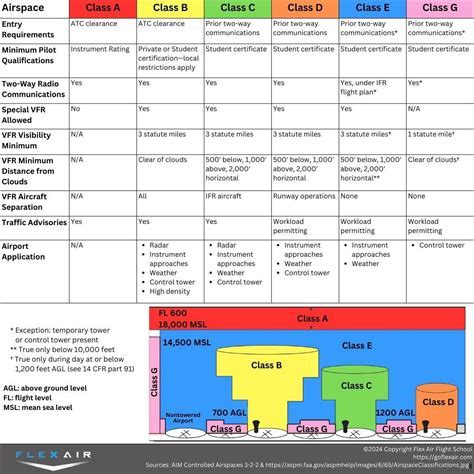
- Airspace Compliance: Understanding controlled, restricted, and prohibited airspace.
Risk is inherent in extended flights — particularly in mountainous regions, during low visibility, or in thermally unstable conditions. Proficiency in aeronautical decision-making is the true backbone of cross-country flight safety.

Technological Evolution and the Future of XC Flight
Modern cross-country flying benefits from integrated avionics, digital maps, ADS-B traffic systems, and real-time weather data. This tech reduces workload and increases situational clarity. Innovations such as solar-assisted gliders, AI-supported flight planning, and real-time airspace deconfliction are revolutionizing the field.
In unpowered aviation, GPS loggers and flight optimization software (like XCSoar) help pilots track performance, file online flight declarations, and analyze flight data to improve efficiency.
The future may see autonomous cross-country routing, especially in cargo and electric aircraft, but the skills honed by today’s pilots will remain foundational.
Conclusion: The Skill and Spirit of Distance Flight
Cross-country flying is not simply an aviation milestone — it is the rite of passage for all serious pilots. From sailplane circuits over alpine ridges to IFR-powered legs between distant airports, XC flying demands meticulous preparation, in-flight adaptability, and technical prowess. It fosters independence, resilience, and a deep understanding of the ever-changing sky.
Those who master it join a tradition of navigators stretching back to the dawn of flight — individuals whose spirit of exploration and technical discipline define what it truly means to command the air.