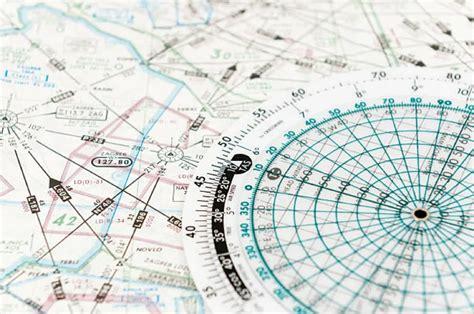
Cross-country flying (XC flying) is a type of aviation that challenges pilots to navigate distances between two or more points using a variety of techniques, depending on whether they are flying powered or unpowered aircraft. This type of flight requires a higher level of skill, as pilots must employ advanced navigation tools and techniques to ensure they reach their destination safely and efficiently. In this guide, we will explore the nuances of cross-country flying, examining its key components, techniques, requirements, and the critical role it plays in pilot training and certification.
What is Cross-Country Flying?
Cross-country flying involves flying an aircraft from one point to another over a specified distance, often requiring navigation and planning. This type of flight can be performed with both powered aircraft (such as airplanes) and unpowered aircraft (like gliders, paragliders, and hang gliders). The essential characteristic of cross-country flying is that it involves traveling between two points using proper navigation techniques rather than staying within a small, defined area.
For powered aircraft, this generally means flying from one airport to another over a pre-planned route, while unpowered aircraft rely on natural air currents to stay aloft for extended periods. In both cases, the pilot must use a combination of navigation aids, including visual references, instruments, and sometimes radio communication to navigate safely.
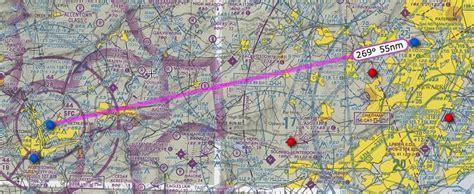
Cross-Country Flying and Pilot Certification
Across various aviation certifications, cross-country flying is an essential requirement. Most countries, including the United States, Canada, and European Union nations, require a certain number of cross-country flight hours as part of the training and experience necessary for obtaining various pilot licenses. These licenses include the Private Pilot License (PPL), Commercial Pilot License (CPL), and Instrument Rating (IR).
In EASA countries, the regulation is straightforward: to earn a PPL, the candidate must complete a solo cross-country flight of at least 150 nautical miles (NM), with full-stop landings at two airports other than the departure airport. Similarly, for the CPL, the distance and complexity of the flight increase, requiring multiple legs and more advanced navigation skills. In countries like the United States, the Federal Aviation Administration (FAA) has similar requirements, such as a 50 NM minimum distance for cross-country flights involving a landing at a point other than the departure airport.
Navigation Techniques for Cross-Country Flying
Effective navigation is the cornerstone of any successful cross-country flight. Pilots rely on a variety of techniques and tools to determine their position and guide them along the route. These can include:
- Dead reckoning: A method where the pilot flies in a straight line to a predetermined destination using a compass, estimated speed, and time.
- Pilotage: The process of navigating by visual landmarks, such as towns, rivers, or roads.
- GPS: Modern navigation systems offer real-time data on location, altitude, and distance to the destination.
- Radio aids: Ground-based radio signals can help pilots determine their position relative to navigational stations.
In addition to these basic methods, pilots must also consider weather conditions, airspace restrictions, and alternates in case of emergency landings. The use of charts, flight plans, and weather briefings is critical to ensure safety throughout the flight.
Cross-Country Requirements for Different Licenses
Each type of pilot certification comes with specific cross-country flight time requirements that increase in complexity. These are designed to ensure that the pilot has the necessary experience to handle longer, more challenging flights under varying conditions.
Private Pilot License (PPL)
To obtain a PPL, pilots must typically complete the following cross-country requirements:
- A solo flight covering a minimum of 150 nautical miles.
- Two landings at different airports other than the departure airport.
- A flight that includes the use of navigational aids like GPS, dead reckoning, and pilotage.
This ensures that the pilot can plan and execute a flight over a distance and manage the navigation challenges that arise over longer routes.
Commercial Pilot License (CPL)
For the CPL, the cross-country requirements become more stringent:
- Multiple legs over longer distances, often exceeding 250 nautical miles.
- The inclusion of instrument flight conditions for certain portions of the flight.
- Landings at multiple airports, demonstrating the ability to handle more complex flight plans.
Instrument Rating (IR)
Pilots pursuing an Instrument Rating (IR) must have significant experience in instrument flight conditions and complete cross-country flights under IFR (Instrument Flight Rules). This requires the pilot to fly without visual references to the ground, relying on the aircraft’s instruments for navigation and control.

Safety Considerations in Cross-Country Flying
Safety is a paramount concern for cross-country flying, given the extended distances and varying weather conditions that pilots must navigate. Several critical aspects must be taken into account to ensure a safe journey:
Weather Awareness
Before embarking on a cross-country flight, pilots must conduct a thorough weather briefing. This includes checking for any adverse weather conditions that may affect visibility, winds, and precipitation along the flight path. Using weather radar, satellite images, and local weather stations can help forecast conditions for the entire route.
Flight Planning and Navigation
The importance of flight planning cannot be overstated. Pilots must ensure they have accurate charts, flight plans, and navigational aids at hand. This includes detailed charts for the planned route, as well as alternate airports in case of unexpected weather or mechanical issues.
Fuel Management
Fuel is another critical aspect of cross-country flying. Pilots must carefully calculate fuel requirements, ensuring that there is enough for the flight, including reserves for emergencies. Cross-country flights often require more fuel than short-distance flights, and pilots must account for winds aloft and other factors that may impact fuel consumption.
Emergency Procedures
In case of an emergency, pilots must be familiar with emergency procedures such as diverting to alternate airports or conducting an emergency landing. A comprehensive understanding of the aircraft’s emergency equipment and systems, including the ELT (Emergency Locator Transmitter), is essential.
Conclusion
Cross-country flying is an essential skill for pilots of all levels, from beginners to experienced professionals. It tests a pilot’s ability to navigate long distances, manage flight plans, and respond to changing conditions. Whether you are a student pilot working toward your first certification or an experienced aviator looking to expand your skills, cross-country flying offers both challenges and rewards. It is a cornerstone of aviation training, preparing pilots to handle complex situations, navigate accurately, and ensure safety in a wide range of flying environments.