Achieving a Commercial Pilot License (CPL) is a significant milestone in a pilot’s career. One of the critical components of this certification involves meeting specific cross-country flight requirements. These requirements are outlined in 14 CFR § 61.129, which details the necessary aeronautical experience for commercial pilot applicants.
Key Cross-Country Flight Requirements
To qualify for a CPL, pilots must complete specific cross-country flights:
- Daytime Cross-Country Flight: One 2-hour cross-country flight in a single-engine airplane during daytime conditions, covering a straight-line distance of more than 100 nautical miles from the original point of departure.
- Nighttime Cross-Country Flight: One 2-hour cross-country flight in a single-engine airplane during nighttime conditions, also covering a straight-line distance of more than 100 nautical miles from the original point of departure.
- Long Solo Cross-Country Flight: One solo cross-country flight of at least 300 nautical miles total distance, with landings at a minimum of three points, and one segment of the flight consisting of a straight-line distance of at least 250 nautical miles between the takeoff and landing locations.
These flights are designed to ensure that pilots gain experience in planning and executing extended flights under varying conditions.
Solo vs. Dual Flight Time: Clarifying the Distinctions
A common area of confusion among CPL applicants revolves around the distinction between solo flight time and flight time with an instructor on board. According to 14 CFR § 61.129(a)(4), applicants must log:
- 10 hours of solo flight time in a single-engine airplane, or
- 10 hours of flight time performing the duties of pilot in command (PIC) in a single-engine airplane with an authorized instructor on board.
It’s crucial to note that the FAA interprets the “OR” in this regulation as exclusive, meaning that pilots must choose one method and cannot combine hours from both to meet the requirement. This interpretation was clarified in the FAA’s Grannis Legal Interpretation, which states that a combination of solo and dual flight time is not permissible under this rule.
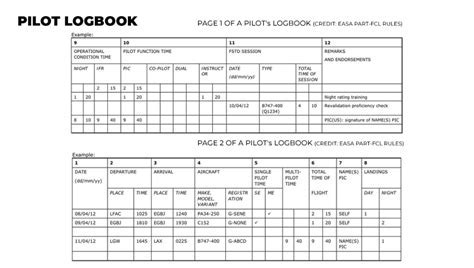
Logging Flight Time: Best Practices
Properly logging flight time is essential for meeting CPL requirements:
- Solo Flights: When flying solo, pilots should log the time as both Solo and PIC, provided they are rated in the applicable category and class of aircraft.
- Dual Flights with Instructor: When flying with an instructor on board, and performing the duties of PIC, pilots should log the time as Dual Received and PIC, ensuring that the instructor’s presence is documented.
Accurate logging ensures compliance with FAA regulations and facilitates a smoother certification process.
Common Misconceptions and Clarifications
Several misconceptions exist regarding cross-country flight requirements for the CPL:
- Mixing Solo and Dual Hours: As previously mentioned, combining solo and dual hours to meet the 10-hour requirement is not allowed.
- Instructor Presence on Solo Flights: For the 300-nautical mile solo cross-country flight, having an instructor on board disqualifies the flight from being considered solo, even if the pilot is performing all duties of PIC.
- Night Flight Requirements: The 2-hour nighttime cross-country flight must be conducted with an instructor on board, as it falls under the category of required training.
Understanding these nuances is vital to ensure that all flight experiences align with regulatory expectations.
Strategic Planning to Meet Requirements Efficiently
Given the stringent requirements, strategic planning can help pilots meet them efficiently:
- Flight School Policies: Some flight schools may have policies restricting solo night flights. In such cases, coordinating with the school to schedule necessary flights or seeking alternative arrangements is advisable.
- Combining Requirements: While certain flights can fulfill multiple requirements, it’s essential to ensure that each flight meets the specific criteria outlined in the regulations. For example, a long cross-country flight may satisfy both distance and landing requirements if planned appropriately.
- Consulting with Instructors: Regular discussions with flight instructors can provide clarity on requirements and help in planning flights that align with both training goals and regulatory mandates.
Conclusion
Navigating the cross-country flight requirements for the Commercial Pilot License necessitates a thorough understanding of FAA regulations and careful planning. By distinguishing between solo and dual flight time, accurately logging flight experiences, and proactively addressing potential challenges, aspiring commercial pilots can ensure compliance and progress confidently toward certification. Engaging with knowledgeable instructors and staying informed about regulatory interpretations further supports a successful journey to becoming a commercial pilot.