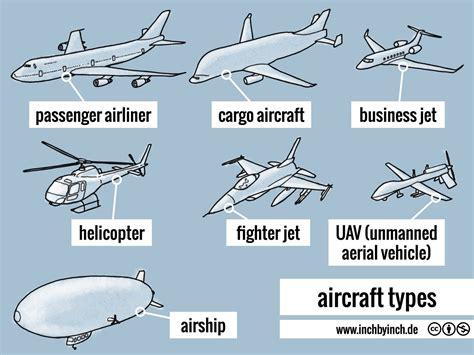
Aviation is not a one-size-fits-all field. The modern sky is a tapestry of distinct aircraft types, each engineered with specialized roles, structural nuances, and performance profiles. From the colossal jumbo jets ferrying hundreds across continents to nimble very light jets hopping between regional hubs, every type of airplane serves a vital function in a globalized world. As we examine the types of airplanes, we discover a spectrum that extends far beyond the commercial giants dominating airport terminals. This comprehensive guide breaks down these aircraft by category, covering their design, utility, and historical context.
Commercial Airliners: The Backbone of Global Travel
Modern commercial aviation relies heavily on an intricate fleet of airliners that serve a vast network of domestic and international routes. These aircraft, designed for both passenger capacity and range, fall into several subcategories, each optimized for different aspects of air transport.
Jumbo Jets: Engineering Marvels of Capacity and Range
The term “jumbo jet” evokes images of aviation grandeur, and rightfully so. The Boeing 747, affectionately dubbed the “Queen of the Skies,” revolutionized long-haul travel since its introduction in 1970. With configurations supporting 350 to over 600 passengers, it allowed airlines to scale operations and reduce cost per seat-mile.
The Airbus A380, entering service in 2007, took the baton and pushed boundaries further. This double-deck behemoth carries between 500 and 850+ passengers, offering amenities such as onboard lounges, showers, and even first-class suites. Though its commercial viability was eventually questioned due to operating costs and airport infrastructure limitations, the A380 remains a technical marvel.
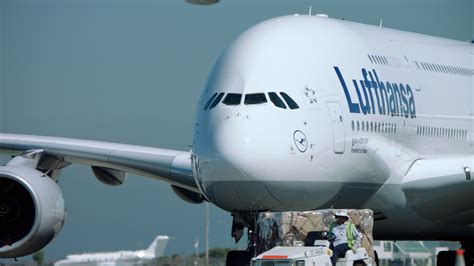
Both the 747 and A380 are also used in cargo conversions, demonstrating their structural flexibility and enduring value.
Cargo Airplanes: Freight Titans of the Sky
Where jumbo jets carry passengers, cargo aircraft are designed—or converted—to transport goods with precision and efficiency. Purpose-built examples like the Airbus Beluga and Boeing Dreamlifter showcase bulbous fuselages specifically engineered for oversized cargo such as aircraft parts.
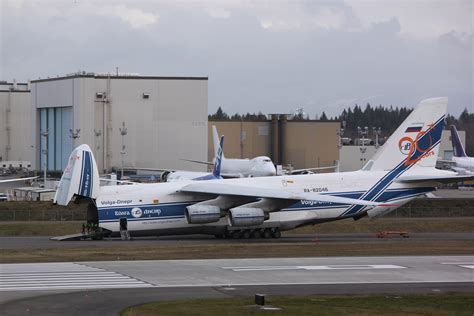
Converted freighters like the Boeing 747-8F and 777F dominate long-haul freight lanes, offering enormous payload capacity and range. At the extreme end, the Antonov An-124 (and the now-destroyed An-225) holds the title for the world’s heaviest lifters, often used for military and humanitarian missions.
Widebody Aircraft: Comfort and Cargo Capacity in Harmony
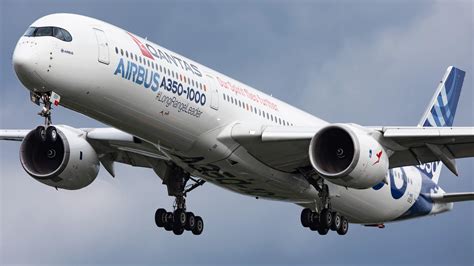
Defined by their dual-aisle configuration, widebody airliners like the Airbus A350, A330, and Boeing 777 and 767 cater to long-distance travel with extended range, greater passenger comfort, and significant belly cargo capacity. These aircraft operate on intercontinental routes, often bridging major cities across oceans with fewer stops and higher efficiency.
Narrowbody Aircraft: The Workhorses of Short- and Medium-Haul Routes
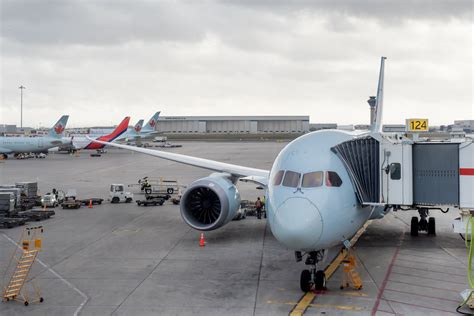
Narrowbody, or single-aisle aircraft, are the most ubiquitous in commercial aviation. The Boeing 737 and Airbus A320 families (including the A320neo variants) serve short to medium-haul routes, seating between 100 and 240 passengers. Their ability to operate from shorter runways and quick turnaround times makes them indispensable for high-frequency domestic networks.
Private Jets: Executive Mobility Redefined
While commercial airliners focus on scale, private jets offer a personalized, flexible, and luxurious flying experience tailored to individual or corporate needs.
Heavy Jets: Intercontinental Powerhouses
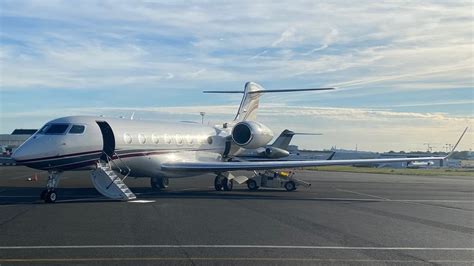
Aircraft like the Gulfstream G650 and Bombardier Global 7500 define the upper echelon of business aviation. With ranges surpassing 7,000 nautical miles, these jets can link cities like New York and Tokyo without refueling. Their interiors feature bespoke seating, conference rooms, and even sleeping quarters, catering to global executives.
Mid-Size Jets: Balanced Efficiency
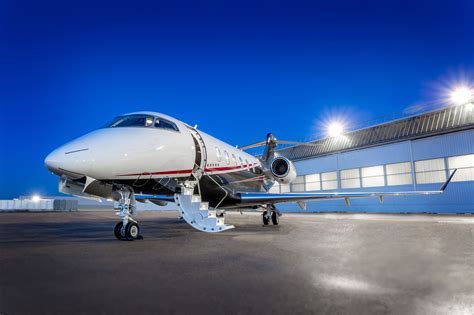
The Gulfstream G200 and Challenger 350 are often the sweet spot for many corporations. These jets balance cabin space, range (typically up to 3,400 nautical miles), and cost-efficiency, making them ideal for transcontinental business trips.
Light Jets: Regional Productivity Tools
Jets such as the Cessna Citation CJ series and Embraer Phenom 300 offer max takeoff weights under 20,000 lbs, seating 5–9 passengers. Their speed and lower operating costs make them perfect for regional business travel or short-hop charters.
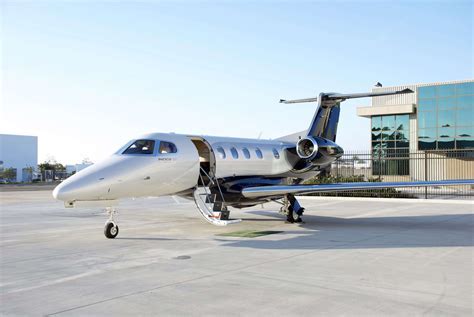
Very Light Jets (VLJs): Democratising Jet Ownership
VLJs like the Eclipse 500 and HondaJet target owner-operators and smaller firms, offering single-pilot operation and short-range capabilities (under 1,500 miles). Though compact, these aircraft boast advanced avionics and safety features.
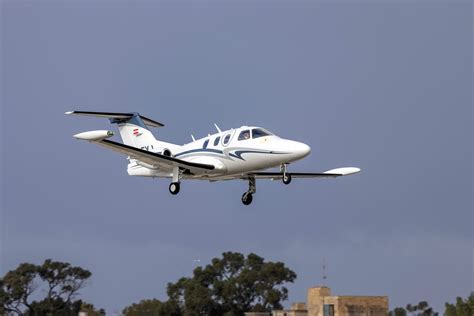
Propeller Planes: Versatility Across Terrain and Mission
Despite the jet age, propeller-driven aircraft remain vital across training, cargo, and recreational aviation.
Single-Engine Aircraft: General Aviation Staples
The Cessna 172 and Piper Cherokee dominate flight training schools and personal ownership. Simple, reliable, and cost-effective, these aircraft introduce thousands to aviation every year.
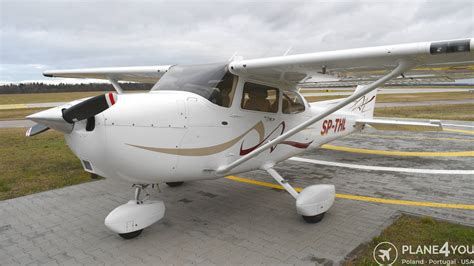
Amphibious Aircraft: Land and Water Versatility
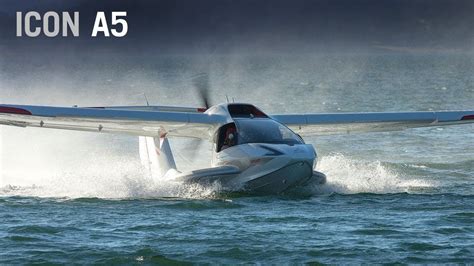
Craft like the ICON A5 and Dornier Seastar excel in remote access, firefighting, and rescue missions. Their capability to operate on both water and land offers unmatched flexibility in hard-to-reach regions.
Aerobatic Aircraft: Precision in Flight
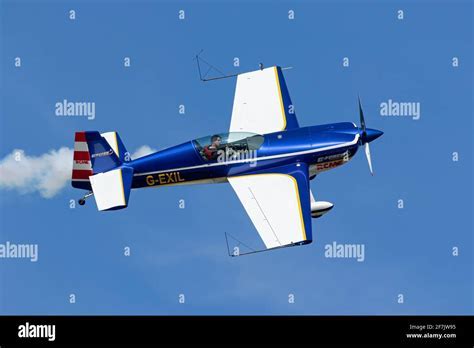
Stunt planes such as the Extra 300 and Pitts Special are designed for high-G maneuvers, enabling tight loops, rolls, and dives with pinpoint control. These aircraft are essential for airshows and competitive aerobatics.
Turboprops: Power and Practicality in Remote Ops
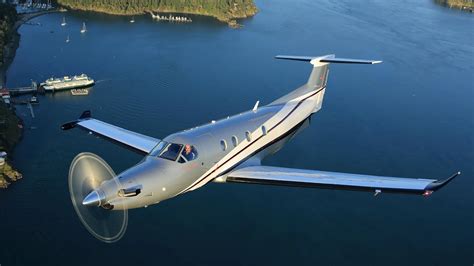
Turboprop aircraft like the Pilatus PC-12 and Cessna Caravan feature turbine-powered propeller engines, combining fuel efficiency with rugged short takeoff and landing (STOL) performance. They’re widely used in regional cargo and humanitarian operations.
Lighter-Than-Air Aircraft: Gentle Giants and Silent Gliders
Though less common today, lighter-than-air craft remain a unique segment in aviation.
Airships: Floating Icons of a Bygone Era
From the rigid Zeppelins of the early 20th century to today’s non-rigid advertising blimps, airships continue to fascinate. Their enormous lift capacity and loitering ability make them useful in surveillance, research, and promotion—albeit at slow speeds and high susceptibility to weather.

Gliders: Mastery of Silent Soaring
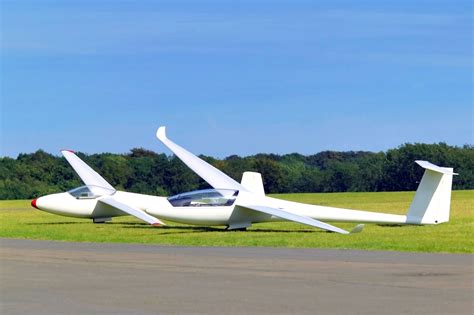
Unpowered and graceful, gliders rely on thermals and aerodynamic efficiency to stay aloft. Launched by winch or tow plane, they offer unmatched serenity and control, favored by enthusiasts and competitive pilots alike.
Conclusion: A Tapestry of Engineering and Purpose
Every category of airplane reflects an engineering solution to a human challenge—be it mass transport, individual mobility, freight logistics, or environmental monitoring. As we look skyward, the diversity of aircraft types underscores aviation’s role not only in connecting continents but also in enriching exploration, commerce, and emergency response. From the colossal A380 to the humble Cessna, the sky is a dynamic, ever-evolving arena of flight.