Becoming a commercial pilot represents one of the most exciting professional journeys in modern transportation. The opportunity to command sophisticated aircraft, travel across continents, and operate within a highly respected profession attracts thousands of aspiring aviators every year. Yet behind the glamour of airline cockpits and jetliners cruising at 35,000 feet lies a significant investment in training, education, and flight experience. One of the first and most important questions prospective pilots ask is simple but critical: how much do commercial pilot training programs cost?
The answer is complex because pilot training involves multiple certification stages, specialized equipment, aircraft rental, and hundreds of hours of hands-on flight instruction. Unlike many traditional college programs, aviation training expenses accumulate progressively as students advance through various licenses and ratings. Each step builds upon the previous one, gradually transforming a beginner with zero experience into a skilled professional capable of flying passengers or cargo safely across long distances.
Understanding these financial requirements is essential before enrolling in flight school. The total cost of training can vary dramatically depending on factors such as program structure, aircraft type, geographic location, and how efficiently a student progresses through lessons. For aspiring pilots planning their aviation careers, gaining a realistic picture of the financial commitment helps avoid surprises and allows for better long-term planning.
Understanding The Standard Commercial Pilot Training Path
Before analyzing the cost structure, it is important to understand the typical training pathway followed by most professional pilots. Aviation authorities such as the Federal Aviation Administration (FAA) regulate pilot certification through a series of progressive licenses and ratings, each requiring specific flight hours, theoretical knowledge, and practical examinations.
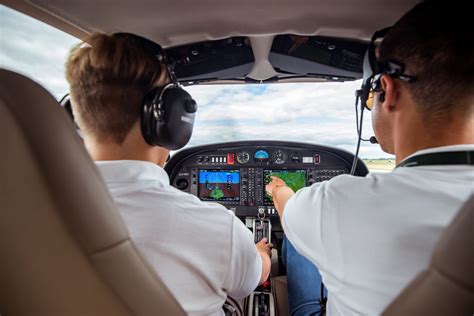
The journey typically begins with the Private Pilot License (PPL). This initial certification introduces students to the fundamentals of flight, including aircraft control, navigation techniques, radio communication procedures, airspace regulations, and emergency operations. During this phase, students learn to operate small single-engine training aircraft such as the Cessna 172 or Piper PA-28, gradually building confidence while mastering basic maneuvers.
Once the private license is obtained, pilots usually pursue an Instrument Rating (IR). This qualification allows pilots to fly safely in low visibility conditions by relying on cockpit instruments rather than outside visual references. Instrument training significantly expands a pilot’s capabilities and is essential for anyone planning to fly professionally in commercial aviation.
The next major milestone is the Commercial Pilot License (CPL). This certification permits pilots to receive payment for their flying services, opening the door to careers in charter aviation, cargo operations, aerial photography, and eventually airline transport. Many aspiring airline pilots also obtain additional certifications such as multi-engine ratings and flight instructor certificates to build flight hours more efficiently.
Average Cost Of Commercial Pilot Training Programs
The total investment required to complete commercial pilot training varies widely depending on how a student approaches the training process. In the United States, the most common training paths fall into two categories: modular training and integrated aviation academy programs.
Modular training allows students to complete each license or rating separately, often at local flight schools. This approach offers flexibility because students can progress at their own pace and schedule training around work or other responsibilities. However, because the timeline can extend over several years, costs may increase if additional practice hours are required.
Integrated programs, on the other hand, are structured aviation courses offered by professional academies or university aviation departments. These programs combine all training stages into a single, continuous curriculum designed to take students from beginner to commercial pilot as quickly as possible.
Across the United States, the typical cost range for commercial pilot training programs falls between $65,000 and $130,000. Students following the modular route often spend $50,000 to $80,000, while comprehensive academy programs can exceed $100,000 due to accelerated training schedules and additional certifications included in the package.
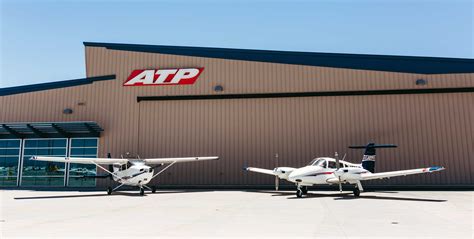
One well-known flight training organization, ATP Flight School, advertises a complete airline-career program costing approximately $123,995 for students starting with no previous flying experience. This program includes multiple ratings and instructor certifications designed to help graduates quickly build the flight hours required for airline employment.
Cost Breakdown By Certification Stage
Commercial pilot training costs are typically distributed across several distinct certification stages. Each phase involves aircraft rental, instructor time, ground instruction, and examination fees. Understanding how expenses accumulate during these stages provides a clearer picture of the overall financial commitment.
Private Pilot License (PPL)
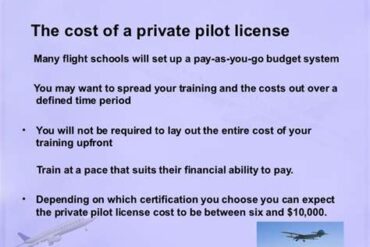
The Private Pilot License represents the first and often most exciting stage of flight training. During this phase, students learn the essential skills needed to safely operate an aircraft. Training typically requires 40 to 60 flight hours, though many students log additional time before passing their checkride.
In the United States, the average cost of earning a PPL ranges between $10,000 and $17,000. The largest portion of this expense comes from aircraft rental and instructor fees. Single-engine training aircraft commonly cost $150 to $200 per hour, while certified flight instructors charge additional hourly rates for teaching and supervision.
Instrument Rating (IR)
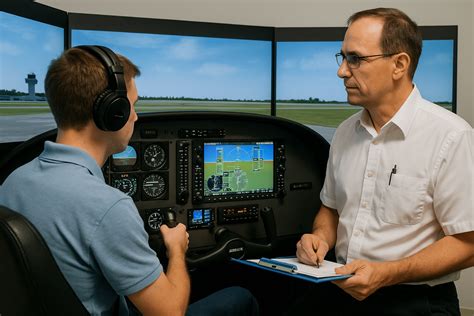
The next step for most aspiring professionals is the Instrument Rating, which teaches pilots to fly using cockpit instruments in poor visibility or adverse weather conditions. Instrument training introduces advanced navigation procedures, instrument approaches, and complex air traffic control communications.
Students typically spend $8,000 to $12,000 completing this rating. Simulator training sessions, additional flight hours, and specialized instrument instruction contribute to the overall cost.
Commercial Pilot License (CPL)
The Commercial Pilot License is the certification that allows pilots to begin earning income from flying. Achieving this milestone requires additional flight hours, advanced maneuvers, and more complex aircraft operations.
Training for a CPL typically costs $25,000 to $35,000, depending on how many additional hours are required to meet experience requirements. By the time students reach this stage, they may have already accumulated over 200 flight hours in total training.
Additional Certifications That Increase Training Costs
While the commercial license allows pilots to be paid for flying, many aspiring airline pilots continue their training beyond this stage. Additional certifications improve employment opportunities and help pilots accumulate the large number of flight hours required for airline careers.
One of the most common additions is the Multi-Engine Rating, which allows pilots to operate aircraft with more than one engine. Multi-engine training often costs $2,000 to $5,000 because twin-engine aircraft are significantly more expensive to operate than standard trainers.
Another widely pursued certification is the Certified Flight Instructor (CFI) rating. Becoming a flight instructor enables pilots to teach new students while logging flight hours. This stage may include additional certifications such as Instrument Flight Instructor (CFII) or Multi-Engine Instructor (MEI) ratings.
Combined instructor certifications can add $5,000 to $15,000 to the overall cost of training. However, these credentials also allow pilots to start earning income while building the experience required for higher-level aviation careers.
Hidden Expenses Many Student Pilots Overlook
Flight school tuition and aircraft rental represent the largest training expenses, but they are not the only costs aspiring pilots should consider. Several additional financial factors can significantly increase the total investment required to complete pilot training.
Medical certification is one of the first requirements. Pilots must pass an aviation medical examination conducted by an FAA-authorized aviation medical examiner. These exams typically cost between $100 and $200, depending on the physician and location.
Written knowledge tests and practical checkrides also add to the cost. Each certification stage requires both a written exam and a flight evaluation with a designated examiner. Examination fees can range from $150 to $800 depending on the test and examiner.
Pilot equipment represents another notable expense. Many flight schools require students to purchase specialized gear, including:
- Aviation headsets
- Flight bags and navigation tools
- Electronic flight bag tablets
- Aviation chart subscriptions
- Logbooks and training materials
High-quality aviation headsets alone can cost $800 to $1,200, and the total equipment investment for student pilots often exceeds $2,000.
Living expenses can also become significant for students enrolled in accelerated training programs. Many aviation academies require students to relocate temporarily, which adds housing, transportation, and daily living costs to the training budget.
Factors That Influence Commercial Pilot Training Costs
Several variables can dramatically influence the final cost of commercial pilot training. Among the most important factors is the type of flight school a student attends. In the United States, flight schools generally operate under Part 61 or Part 141 FAA regulations.
Part 61 schools offer flexible training schedules and allow students to progress at their own pace. This structure works well for individuals balancing training with other responsibilities, but the flexibility can sometimes extend the total training timeline.
Part 141 schools follow a highly structured curriculum approved by the FAA. These programs are often associated with aviation universities or large training academies. Because training is more structured, some students complete certifications faster, potentially reducing total flight hours required.
Geographic location also plays a major role in determining costs. Flight schools located near large metropolitan airports often charge higher aircraft rental rates due to increased fuel prices, airport landing fees, and operational expenses.
Aircraft type is another important factor. Training in modern aircraft equipped with advanced glass cockpit avionics can be more expensive than using older analog-instrument airplanes. However, modern avionics training better prepares students for airline-style flight decks.
Student performance also influences total costs. Aviation training includes minimum flight hour requirements, but many students require additional practice time to achieve proficiency before passing checkrides. Each extra hour spent in the aircraft increases the overall training investment.
Commercial Pilot Training As A Long-Term Career Investment
Although the cost of commercial pilot training can appear daunting, many aspiring aviators view the expense as a long-term career investment. The global aviation industry continues to experience strong demand for qualified pilots, particularly as airlines expand routes and replace retiring flight crews.
Entry-level commercial pilots often begin their careers as flight instructors, charter pilots, or regional airline first officers. As they accumulate experience and additional certifications, career opportunities expand to include major airlines, cargo carriers, corporate aviation, and specialized aerial operations.
Financial assistance options can help offset the cost of training. Many flight schools offer student financing programs, while aviation organizations provide pilot training scholarships. Some airlines have also launched sponsored training pathways designed to guide students from flight school directly into airline careers.
Ultimately, commercial pilot training programs represent one of the most direct pathways into a highly skilled profession that combines technical expertise, responsibility, and adventure. While the initial financial commitment may range from $65,000 to over $120,000, the opportunity to transform a passion for aviation into a lifelong career continues to inspire thousands of future pilots each year.
For those willing to dedicate the time, discipline, and financial resources required, the cockpit offers a career unlike any other—one defined by precision, constant learning, and the remarkable privilege of flying sophisticated aircraft across the world’s skies.