Iberia, the flag carrier of Spain, is embarking on a transformative journey that marks a significant milestone in the global aviation landscape. With an ambitious €6 billion investment strategy, the airline is set to enhance its long-haul fleet, expand its international routes, and modernize its operational capabilities, all while prioritizing sustainability and passenger experience. This comprehensive overhaul is not merely about fleet expansion; it signifies Iberia’s commitment to positioning itself as a forward-thinking leader in the industry.
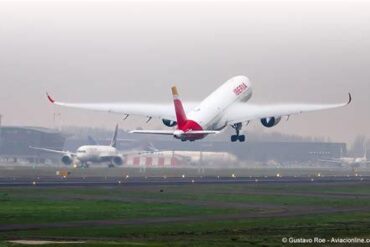
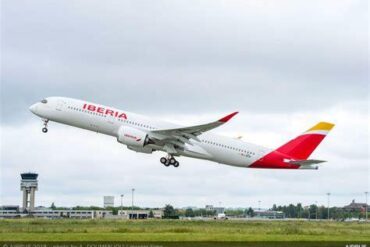
The cornerstone of this strategic initiative is the expansion of Iberia’s long-haul fleet, which will increase from 45 to 70 aircraft over the coming years. This substantial growth will enable the airline to launch new transatlantic routes to key cities across North and South America, including Toronto, Philadelphia, Orlando, Monterrey, Recife, and Fortaleza. By tapping into these high-demand markets, Iberia aims to solidify Madrid as a prominent European hub for transatlantic travel, catering to both leisure and business travelers alike.
As part of Iberia’s strategy to bolster its presence in the Americas, the airline is focusing on strengthening its connectivity to major urban centers. Toronto, recognized as Canada’s largest metropolis, serves as a critical financial and cultural hub, offering substantial passenger demand and connectivity. Likewise, the inclusion of U.S. destinations like Orlando and Philadelphia illustrates Iberia’s intent to capitalize on the burgeoning leisure and business travel segments. Meanwhile, Monterrey—a vital industrial city in northern Mexico—and Brazil’s Recife and Fortaleza expand access to the traditionally underserved northeast corridor of Latin America.
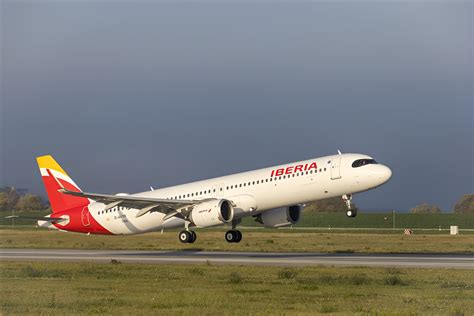
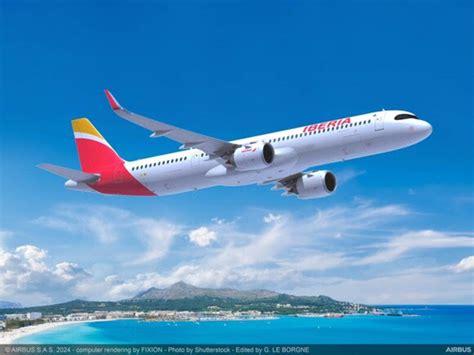
In conjunction with the expansion of its long-haul fleet, Iberia is undertaking a comprehensive renewal of its short- and medium-haul aircraft. The airline plans to replace its older, less efficient models with state-of-the-art Airbus A320neo and A321neo aircraft. These next-generation planes are designed to be quieter and significantly more fuel-efficient, producing lower emissions and showcasing Iberia’s ongoing commitment to sustainable aviation. The integration of these modern aircraft is expected to enhance operational efficiency and reduce the airline’s environmental impact across European and regional routes, aligning with broader industry efforts to adopt greener technologies.
Moreover, Iberia is not solely focused on fleet expansion; it is also investing in the overall passenger experience. As part of the €6 billion transformation plan, a new premium lounge will be inaugurated at Madrid-Barajas Adolfo Suárez Airport. This facility aims to elevate the ground experience for business and first-class travelers, providing them with a luxurious and comfortable environment before their flights. Alongside physical upgrades, Iberia is embracing advanced artificial intelligence tools to streamline customer service operations. These digital enhancements are designed to improve communication, personalize passenger interactions, and expedite solutions throughout the customer journey—from booking and check-in to baggage handling and flight updates.
Iberia’s ambitious expansion is further supported by its parent company, International Airlines Group (IAG), which also owns British Airways. In a significant move, IAG confirmed a multi-billion-euro agreement to purchase new aircraft from both Boeing and Airbus, with deliveries scheduled between 2028 and 2033. This bulk order is anticipated to benefit all IAG carriers and provide Iberia with the necessary resources to fulfill its fleet renewal and expansion objectives.
Financially, Iberia is positioned strongly to pursue this ambitious growth plan. The airline reported a robust full-year net profit of €2.7 billion in 2024, reflecting a three percent increase compared to the previous year. This financial strength grants Iberia the flexibility and confidence to invest in long-term growth strategies, despite the industry-wide challenges of rising operational costs and market volatility.
As Iberia sets forth on this transformative journey, it is clear that the airline is poised to redefine its global presence. With a focus on expanding its fleet, launching new routes across the Americas, and enhancing sustainability and passenger experience through advanced technology, Iberia is paving the way for a more connected, efficient, and traveler-friendly future.
In an era where international travel demand is surging and competition intensifies, Iberia’s strategic transformation positions it to compete more aggressively in the global market. This €6 billion roadmap signals a renewed emphasis on innovation, sustainability, and leadership within the aviation sector. As Iberia continues to evolve, its commitment to operational excellence and customer satisfaction remains steadfast, promising a bright future for the airline and its passengers alike.