National Airlines has completed one of the most remarkable long-range cargo missions in Boeing 777 Freighter history, operating a nonstop flight from Scotland to Australia that covered approximately 9,850 nautical miles (11,315 miles or 18,240 kilometers). The marathon journey pushed the aircraft and crew to remain airborne for nearly 20 hours, demonstrating the impressive flexibility of modern cargo aviation.
The flight, operated as NCR820, departed Glasgow Prestwick Airport shortly after midnight on August 4 and arrived at Melbourne Airport at 4:52 a.m. local time on August 5. The aircraft completed the journey in 19 hours and 24 minutes, making it the longest commercial Boeing 777F flight reportedly performed for another airline.
The record-setting mission was conducted on behalf of UK-based aviation services company Golden Aviation, attracting significant attention from aviation enthusiasts worldwide. Nearly 40,000 flight trackers followed the aircraft’s progress as it crossed continents, highlighting the growing public interest in exceptional long-haul cargo operations.
A Boeing 777F Pushed Beyond Its Designed Range
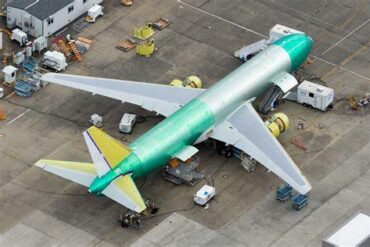
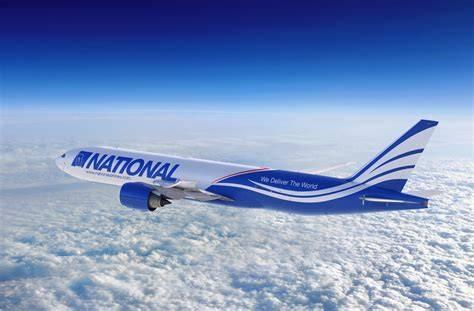
The aircraft used for this historic operation was N792CA, one of National Airlines’ newest Boeing 777 Freighters. Delivered in May 2026, the aircraft had only recently joined the airline’s expanding cargo fleet. National Airlines currently operates three Boeing 777F aircraft, with another aircraft expected to join the fleet as part of a larger order placed with Boeing in 2024.
The mission highlighted the remarkable capabilities of the 777F platform, but it also required careful planning because the aircraft was operating far beyond its standard commercial range. The Boeing 777F typically offers a maximum range of around 5,000 nautical miles (9,260 kilometers) while carrying a payload of approximately 107 tonnes.
Completing a journey approaching 10,000 nautical miles required a different operational approach. The aircraft likely carried a significantly reduced payload while maximizing fuel capacity, allowing it to remain airborne for almost an entire day. This type of mission demonstrates how cargo aircraft can be adapted for specialized operations when logistics demand extraordinary solutions.
Unlike passenger aircraft designed specifically for ultra-long-haul services, the Boeing 777F was created primarily for efficient freight transportation on global cargo networks. The ability to complete such an extreme route shows the importance of fuel planning, weight management, weather analysis, and operational precision.
The Mission Behind National Airlines’ Record Flight
The flight was reportedly arranged to transport a replacement aircraft component to Australia. According to aviation tracking information, the cargo was connected to a grounded Boeing 787-8 Dreamliner operated by Australian low-cost carrier Jetstar Airways.
The aircraft, believed to be registered as VH-VKF, had reportedly been out of service since late July and required replacement engine-related components. The decision to transport the part from Scotland was linked to the presence of a GE Aerospace maintenance facility at Prestwick, creating a direct connection between the required repair component and the cargo mission.
For airlines, aircraft-on-ground situations can create significant operational disruption. A specialized cargo charter capable of moving critical components thousands of miles without intermediate stops can reduce downtime and help return aircraft to service more quickly.
The Prestwick-to-Melbourne flight therefore represented more than a distance record. It demonstrated how cargo operators provide essential support for the global aviation network by moving high-value and time-sensitive equipment across continents.
The Route Across Europe and Asia
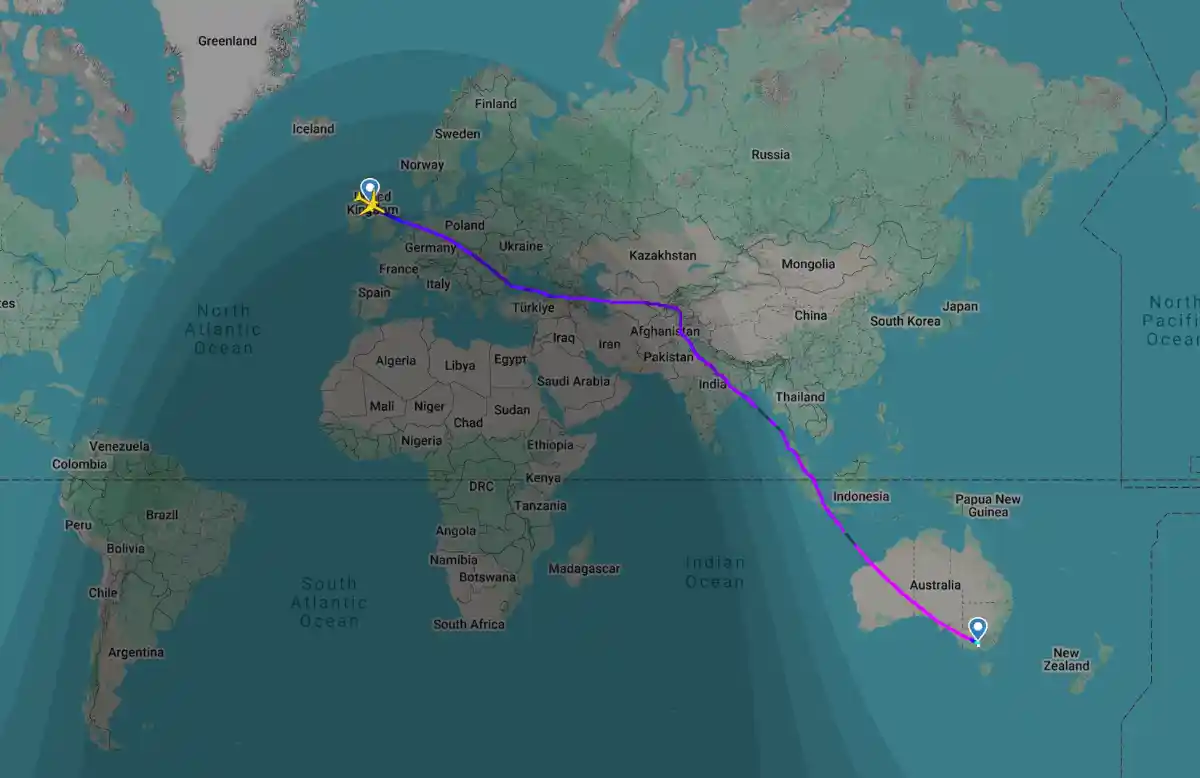
The Boeing 777F followed a carefully planned route from the United Kingdom toward Australia. After departing Scotland, the aircraft traveled east across Europe, passing over Germany and Eastern Europe before continuing toward Turkey and Iran.
From there, the aircraft crossed regions including Central and South Asia, flying over areas near Tajikistan, Pakistan, India, Singapore, and Indonesia before beginning its final approach toward Australia. The route allowed the aircraft to complete the mission without a fuel stop, despite the extraordinary distance involved.
The success of the flight depended on precise coordination between flight crews, dispatch teams, air traffic authorities, and ground support organizations across multiple countries. A journey of this scale requires detailed preparation because even small changes in weather, routing restrictions, or aircraft performance can influence fuel requirements.
A New Milestone During an Era of Ultra-Long-Haul Aviation
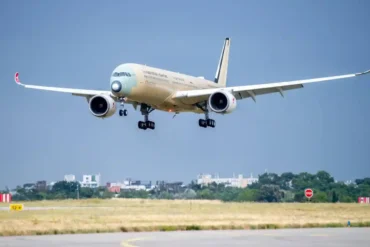
National Airlines’ achievement arrived during a period of increasing attention toward extreme-distance aviation. Just days earlier, an Airbus A350-1000ULR completed a record-breaking passenger flight between Melbourne and Toulouse, covering more than 12,000 nautical miles and remaining airborne for over 24 hours.
That Airbus mission was designed around ultra-long-range passenger operations, while National Airlines achieved its milestone using a freighter built for global cargo transportation. The difference makes the 777F achievement particularly notable.
The Boeing 777 family has previously demonstrated extraordinary endurance. A 2005 flight operated by a Boeing 777-200LR from Hong Kong to London remains the longest flight ever completed by a Boeing 777 family aircraft, lasting approximately 22 hours and 42 minutes. However, National Airlines’ flight stands apart because it represents the longest reported commercial Boeing 777F operation conducted for another airline.
What the Flight Means for Cargo Aviation
The National Airlines Boeing 777F record flight illustrates how modern cargo aircraft continue to expand operational possibilities. While aircraft manufacturers design freighters around specific missions, airlines often find new ways to use these platforms when global transportation demands change.
Ultra-long-range cargo missions are unlikely to become everyday operations because payload limitations and fuel requirements make them specialized solutions. However, they provide valuable flexibility for urgent transportation, aircraft recovery missions, and unique logistics challenges.
With growing global dependence on air freight, flights like NCR820 demonstrate the strategic importance of cargo carriers. National Airlines’ Scotland-to-Australia mission was not simply a record-breaking journey; it was a showcase of how aviation technology, operational expertise, and global coordination can combine to achieve extraordinary results.