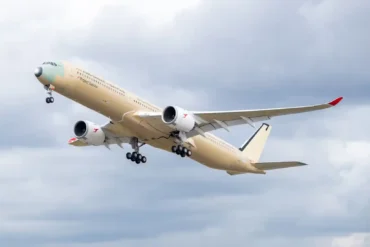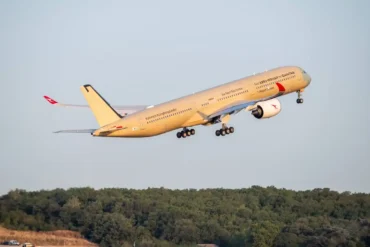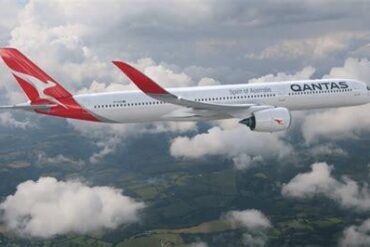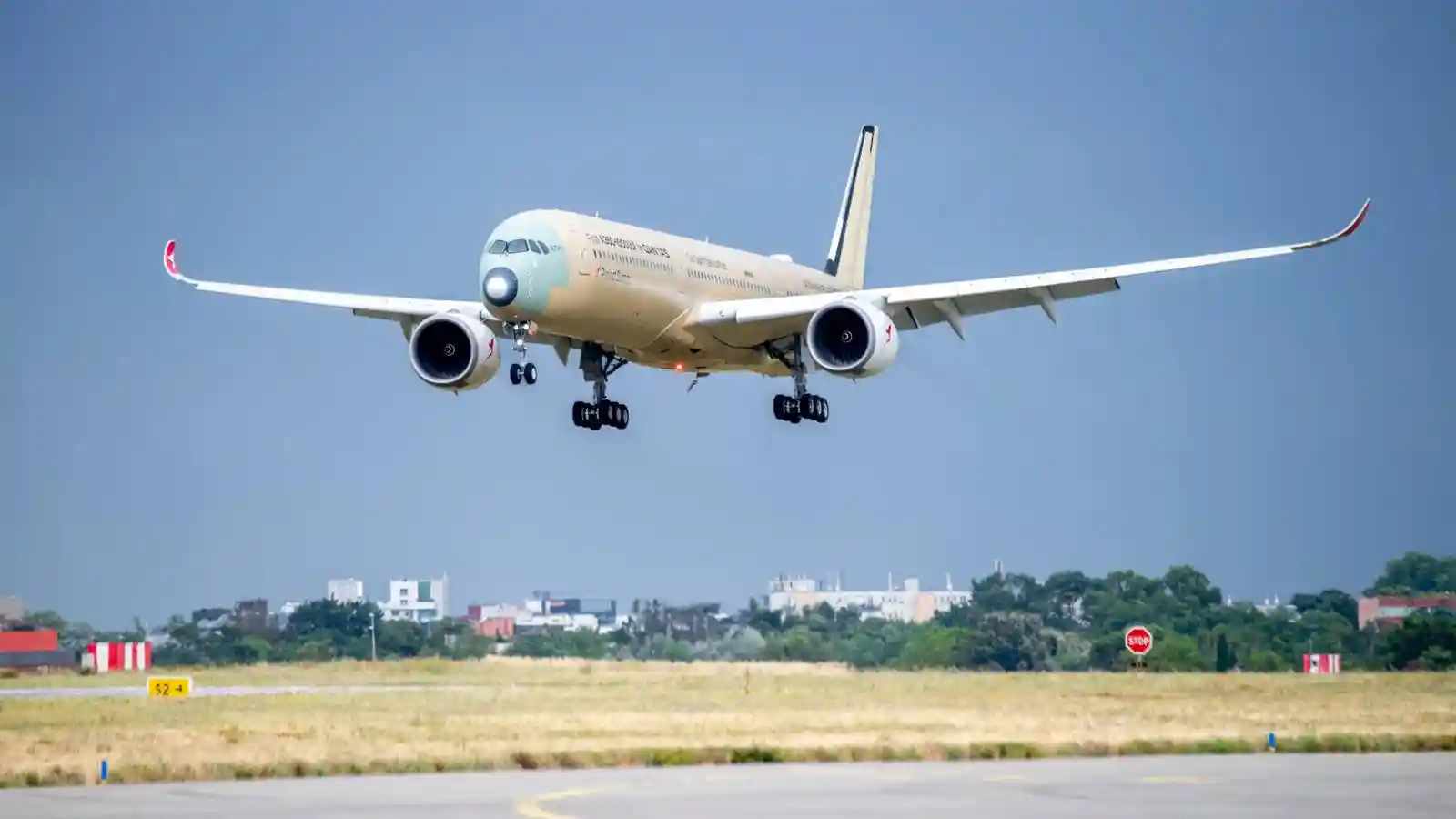
Qantas and Airbus have taken a major step toward the future of ultra-long-haul aviation as the Airbus A350-1000ULR begins proving its ability to operate some of the world’s longest commercial routes. The specially configured aircraft completed a marathon test flight from Toulouse, France, to Melbourne, Australia, spending around 20 hours in the air during a mission designed to evaluate endurance, efficiency, and operational performance before the aircraft enters service for Qantas’ ambitious Project Sunrise program.
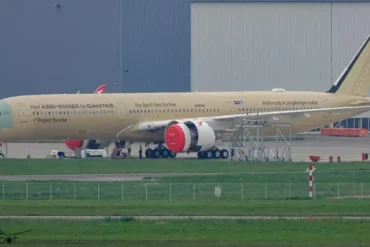
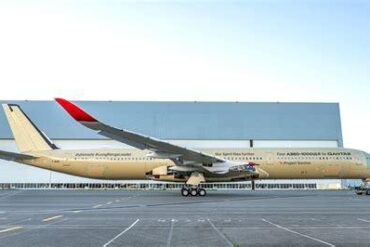
The test flight departed from Toulouse Blagnac Airport at approximately 7:33 AM local time, just minutes after its scheduled departure. The aircraft, carrying the registration F-WULR and serial number 707, immediately became one of the most tracked flights worldwide as aviation enthusiasts followed its progress across multiple continents. The journey represented one of the most demanding flight tests ever conducted by Airbus for a commercial passenger aircraft.
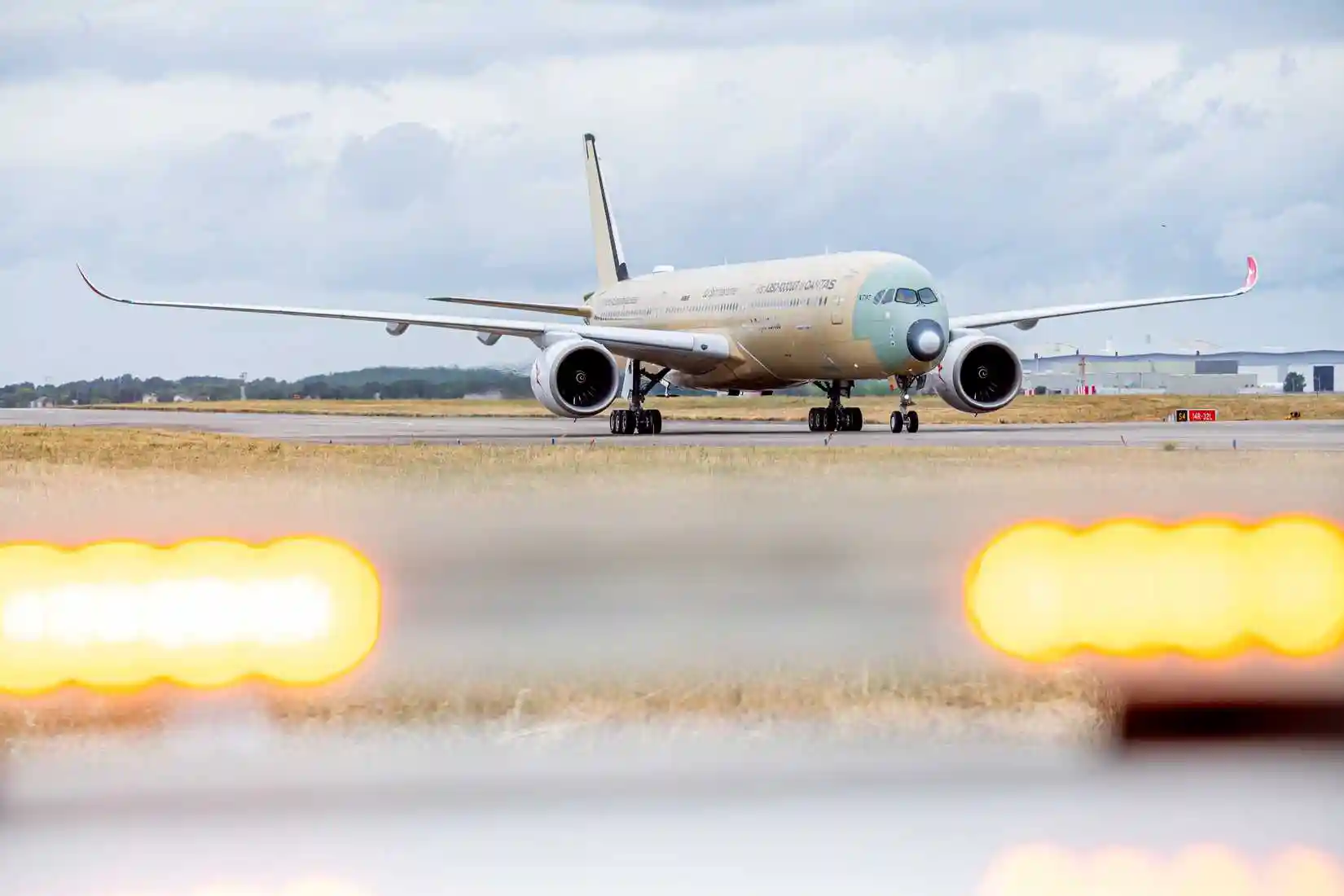
Airbus A350-1000ULR Tests Extreme Long-Range Capability
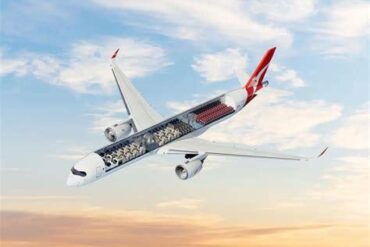
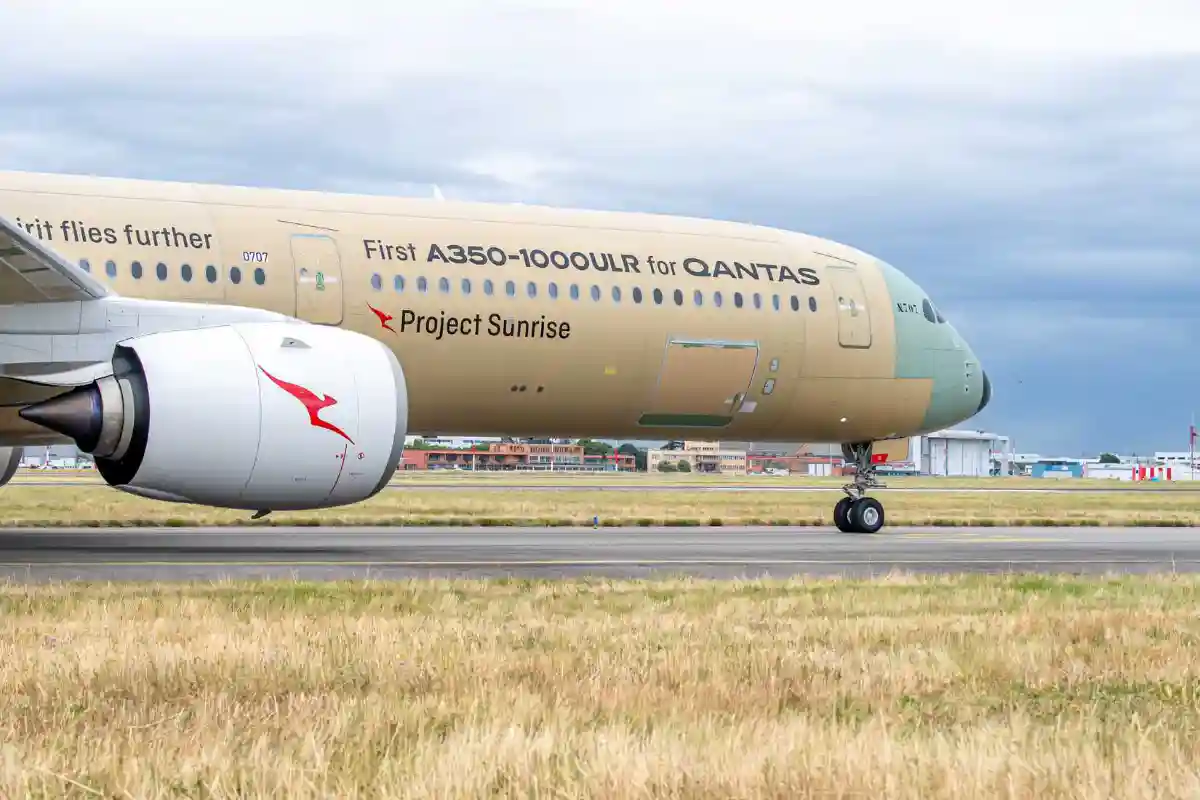
The A350-1000ULR is a specially developed version of Airbus’ flagship twin-engine widebody aircraft, designed to push the boundaries of nonstop passenger travel. Unlike standard A350-1000 models, the ultra-long-range variant features an additional rear center fuel tank, increasing its fuel capacity and extending its range by approximately 1,000 nautical miles (1,852 kilometers).
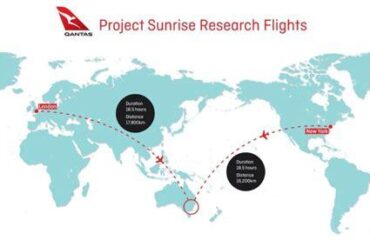
This additional capability is essential for Qantas’ plans to connect Australia’s eastern cities directly with destinations such as London and New York. These routes represent some of the most challenging commercial flights in the world because they require aircraft to remain airborne for extended periods while maintaining passenger comfort, fuel efficiency, and operational reliability.
During the test flight, the aircraft followed a route that demonstrated its ability to handle extreme distances. After departing southern France, the jet traveled southeast over Egypt, Saudi Arabia, and Oman before crossing the Arabian Sea toward India and continuing across the vast distances separating Europe and Australia.
The aircraft was still far from Melbourne when it reached the halfway point of the journey, providing Airbus engineers with valuable information about fuel consumption, aircraft systems, cabin conditions, and performance during prolonged operations.
Qantas Project Sunrise Moves Closer to Reality
The A350-1000ULR fleet will become the foundation of Qantas’ long-awaited Project Sunrise, a program designed to introduce direct flights connecting Australia’s east coast with major global destinations. The airline plans to launch the first commercial services in October 2027, with Sydney to London Heathrow expected to become the flagship route.
Currently, Qantas operates nonstop flights between Australia and Europe primarily from Perth, using the Boeing 787-9 Dreamliner. While these flights already demonstrate impressive long-distance capability, routes from Sydney and Melbourne require significantly greater range and endurance.
The introduction of the A350-1000ULR will allow Qantas to bypass traditional stopover points and offer passengers direct connections between eastern Australia and some of the world’s most important business and tourism hubs. The aircraft’s combination of advanced aerodynamics, lightweight composite materials, and highly efficient engines makes it uniquely suited for these missions.
A Premium Cabin Designed for 20-Hour Flights
Qantas is not simply focusing on range; the airline is also redesigning the long-haul experience around passenger comfort. The A350-1000ULR will feature a lower-density cabin layout with 238 seats, significantly fewer than many conventional A350 configurations.
The planned cabin arrangement includes six first-class suites, 52 business-class seats, 40 premium-economy seats, and 140 economy seats. This configuration reflects Qantas’ strategy of making extremely long flights more comfortable by providing passengers with additional personal space.
The aircraft will also support the airline’s research into passenger wellbeing during ultra-long-haul operations. Qantas has previously studied lighting systems, cabin environments, movement areas, and onboard service concepts to reduce the effects of spending nearly an entire day in the air.
The goal is to make a 20-hour journey feel less like an endurance challenge and more like a premium travel experience.
A New Era for Nonstop Aviation
The successful test flight demonstrates how modern aircraft technology is changing the possibilities of global air travel. Improvements in composite materials, engine efficiency, aerodynamics, and aircraft systems have allowed manufacturers and airlines to reconsider routes that were previously impossible with commercial passenger aircraft.
For Qantas, the A350-1000ULR represents more than a new aircraft type. It is the centerpiece of a strategy to transform Australia’s position in international aviation by creating direct links to major world cities without traditional connecting stops.
As Airbus continues analyzing the test data, the results will provide important insights into how the aircraft performs under real-world ultra-long-range conditions. Every hour spent in the air brings Qantas closer to launching a new generation of nonstop flights that could redefine expectations for commercial aviation.
The Toulouse-to-Melbourne test flight marks a significant milestone in that journey. With its exceptional range, efficient design, and passenger-focused cabin, the Airbus A350-1000ULR is set to become one of the most important aircraft for the future of long-distance travel, bringing the dream of nonstop flights between Australia’s east coast and the world closer than ever.