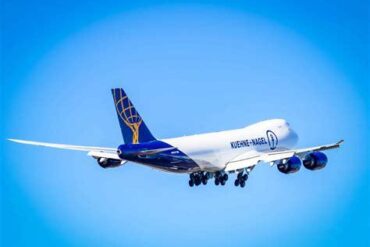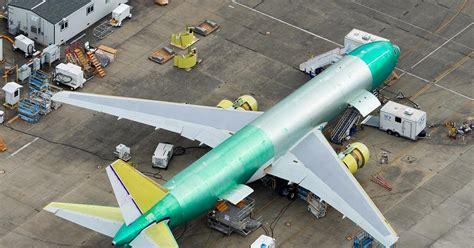
Boeing has formally requested a critical emissions waiver from the Federal Aviation Administration (FAA) to continue selling its current-generation 777 Freighter (777F) aircraft past a looming 2027 cutoff. This strategic move is driven by repeated delays in the certification and entry into service of its next-generation 777-8 Freighter (777-8F), threatening a potential gap in the global widebody cargo aircraft supply chain.
A High-Stakes Petition to the FAA
In a petition filed on December 19, Boeing requested that the FAA grant it exemption from upcoming fuel-efficiency standards, which are set to bar the certification of new aircraft models that do not meet stricter carbon emission limits starting January 1, 2028. Boeing is seeking to produce and sell an additional 35 777F aircraft beyond this deadline, emphasizing the risk of market disruption if the gap in freighter availability isn’t bridged.
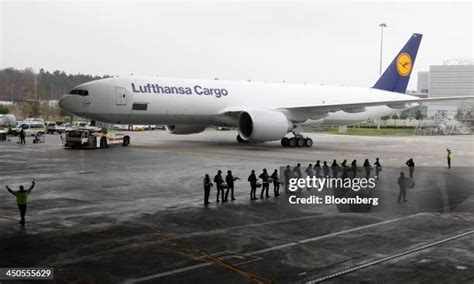
Boeing asserts that without this exemption, it would be unable to meet customer demand in the interim years before the 777-8F becomes commercially available. According to the company, the current 777F is still the most fuel-efficient, high-capacity freighter in active production, powered by the GE90 engine. However, it fails to meet the new ICAO-based emissions rules, which aim to enforce more sustainable aircraft operations.
The Fragile Freighter Pipeline and Supply Chain Pressures
The waiver petition reveals a deeper concern in the aerospace and logistics industries: a fragile widebody freighter pipeline. Boeing has indicated that the 777-8F, a key model in its 777X family, may not enter service until 2029 or later, despite earlier projections targeting 2027. This delay casts a shadow over freight carriers’ fleet renewal strategies, particularly those aiming to retire aging aircraft while maintaining lift capacity amid soaring e-commerce growth.
Industry analysts warn that the freighter market is already stretched. Recent disruptions—including the November 4 crash of a UPS MD-11F in Louisville and the subsequent grounding of similar jets—have intensified the capacity crunch. Boeing’s 777F has emerged as a critical stopgap to alleviate mounting pressure on air cargo networks, especially for time-sensitive, high-value exports.
Regulatory Trade-offs: Emissions Standards vs. Global Trade Needs
At the heart of Boeing’s request is a collision between climate policy objectives and economic imperatives. The FAA’s emissions framework, rooted in international agreements, aims to phase out less efficient aircraft from receiving new airworthiness certificates after 2027. Granting Boeing’s waiver could be seen as undermining these climate goals, particularly as more sustainable freighter alternatives like the Airbus A350F are nearing certification.
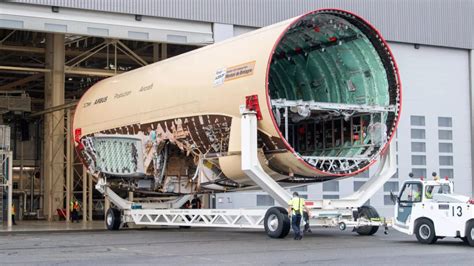
However, Boeing has framed the issue not simply as a regulatory hurdle but as a global trade bottleneck. The company stresses that large widebody freighters move the majority of high-value international exports, and halting 777F production would damage customers’ logistics capabilities. Boeing has argued that each 777F exported contributes an estimated $440 million in transaction value, bolstering its case as an economic priority rather than an environmental exception.
FAA’s Precedent and Industry Dynamics
Boeing’s petition is not without precedent. Congress previously passed legislation allowing the continued production of the Boeing 767F beyond 2028, despite it also failing to meet future emissions requirements. This historical context gives weight to Boeing’s hopes that the FAA might extend similar regulatory flexibility to the 777F line, even as critics argue that such waivers risk delaying broader fleet decarbonization.
Meanwhile, Airbus is positioning its A350F—a cleaner, composite-built freighter—as a rival to Boeing’s dominance in the sector. With Airbus targeting late 2027 for service entry, Boeing is facing a narrowing window of competitive advantage. The potential lack of a certified replacement for the 777F could result in lost orders, shifting market momentum in favor of Airbus.
Delays Across the 777X Family
Boeing’s woes are further compounded by its struggles with the wider 777X family, whose development has been marred by certification delays, technical hurdles, and shifting production schedules. Originally planned for 2020, the 777-9, the passenger variant of the 777X, is now slated for delivery no earlier than 2027. The 777-8F, which shares this architecture, is not expected until at least two years later, pushing its debut to 2029—or even 2030, according to some carriers.
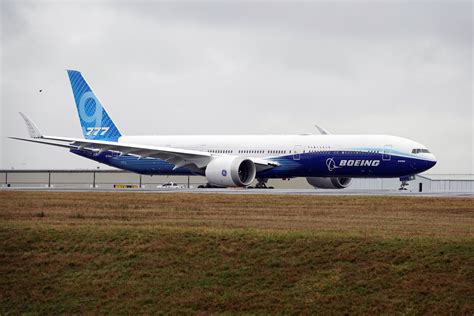
These setbacks place Boeing in a precarious position: without a compliant successor, and with regulatory deadlines looming, the company risks creating a vacuum in the large freighter market just as global cargo demand intensifies.
A Critical Decision Point for Aviation’s Future
The FAA now faces a pivotal choice. Approving Boeing’s waiver would send a signal that short-term supply pressures can justify extensions for less-efficient aircraft. Denying it would reaffirm the industry’s climate commitments, potentially accelerating retirements of older jets but leaving operators scrambling for capacity.
Whatever the outcome, Boeing’s petition underscores a growing tension in aviation: balancing technological readiness, regulatory compliance, and market demand in an era of unprecedented transformation. Airlines, freight carriers, and governments alike are watching closely, aware that this decision will shape not only Boeing’s fortunes but the future of global cargo logistics.
The Broader Economic Ripple Effects
Cargo operators such as FedEx, Qatar Airways Cargo, and Lufthansa Cargo rely on dependable deliveries of widebody freighters to maintain robust, just-in-time supply chains. Any significant shortfall in available aircraft could delay shipments, raise air freight rates, and ripple through global supply networks. Especially in industries such as pharmaceuticals, electronics, and perishables, the need for efficient, high-volume airlift is non-negotiable.
With no viable interim option besides the classic 777F, Boeing’s urgency is understandable. Even as the aerospace industry strives to decarbonize, transitional strategies—including regulatory waivers—may be essential to avoid a capacity cliff that harms commerce and sustainability alike.
Outlook: Will the FAA Grant the Waiver?
Boeing has requested a decision from the FAA by May 1, hoping to secure a production bridge until its next-generation freighter is ready. In doing so, it walks a fine line between regulatory compliance and economic necessity. A favorable ruling could stabilize the market but ignite debate over emissions policy enforcement. A rejection could fast-track the industry’s transition—but at a cost to cargo reliability.
This moment represents more than a regulatory question. It is a test case for how the aviation sector navigates the complex path from legacy systems to greener futures, all while under the weight of competitive pressure and global trade demands.
The industry now waits for the FAA’s ruling—a decision that will resonate far beyond airframes and fuel charts, shaping how aviation meets the climate challenge without grounding the gears of global commerce.