China is redefining the rules of the global fighter jet market, challenging the long-standing dominance of American F-35s and French Rafales with a potent mix of affordability, advanced technology, and diplomatic neutrality. In a strategic shift that is unsettling traditional exporters, Beijing is offering modern combat aircraft with fewer strings attached, opening the doors for countries seeking cutting-edge platforms without political entanglements.
Rising Dragon: China’s Unrelenting Push into the Fighter Jet Market
The Department of Defense’s 2025 report to the U.S. Congress underscores China’s ambitious move. As of late 2024, China had already become the fourth-largest arms exporter, driven by state-run giants like AVIC and NORINCO. These firms now form the backbone of Beijing’s military-industrial export engine, feeding demand across Asia, Africa, and the Middle East.
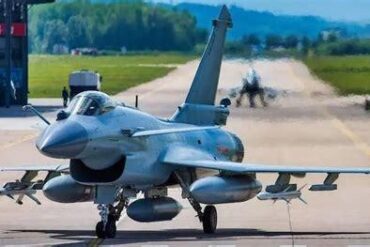
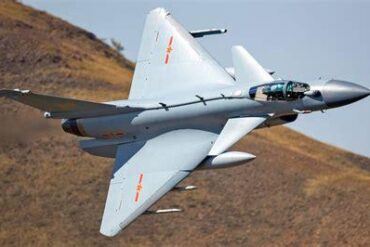
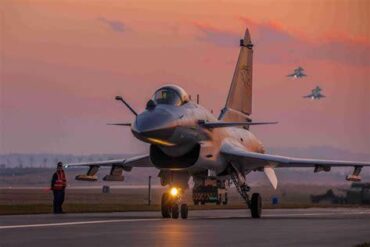
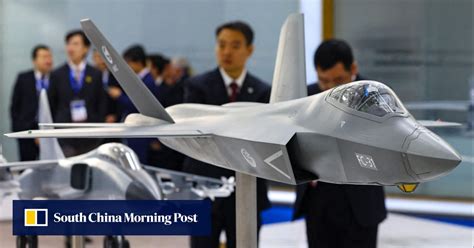
Three aircraft have taken center stage in this strategy: the fifth-generation FC-31 stealth fighter, the fourth-generation J-10C multirole jet, and the JF-17, jointly produced with Pakistan. Notably, while China’s drone exports have surged globally, its fighter jets are now poised to follow the same trajectory.
The FC-31, also referred to as the J-35 in domestic service, is China’s answer to the F-35—a stealth platform tailored for affordability and global accessibility. The Pentagon report reveals growing interest from countries like Egypt, Saudi Arabia, and the UAE, although no formal sales have been completed as of May 2025.
Pakistan’s Bet on the Dragon
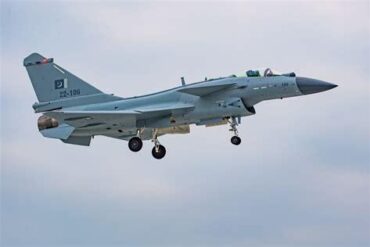
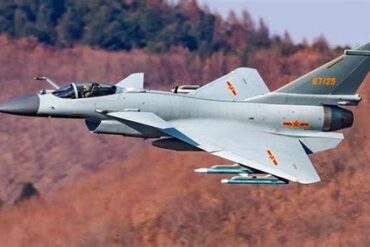
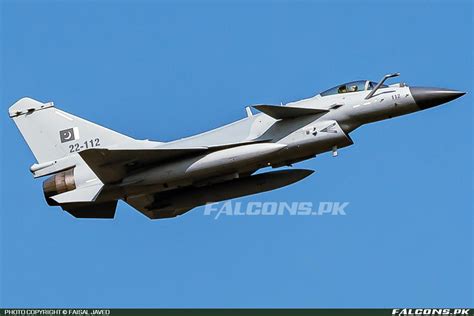
China’s most successful export so far is the J-10C, a 4.5-generation fighter jet. Pakistan has emerged as the lead customer, having already received 20 out of 36 ordered units. This follows an aggressive diplomatic and technical courtship between Islamabad and Beijing, positioning the J-10C as a cost-effective alternative to the U.S. F-16 and European Rafale.
The Pentagon notes that Pakistan’s Air Force (PAF) has even trained in China for operating the FC-31, although both governments denied a finalized deal. Nonetheless, this growing intimacy hints at deeper collaboration.
FC-31 and J-10C: Strategic Weapons, Political Tools
China’s fighter jets are more than just machines; they are foreign policy instruments. Aligned with the Belt and Road Initiative, arms exports support broader economic and strategic goals. Countries under Western arms embargoes or wary of U.S. sanctions find in China a willing supplier that doesn’t ask uncomfortable questions.
The J-10C, for instance, has been actively offered to Iran—a country long isolated by Western defense circles. Tehran was initially in talks to acquire the Russian Su-35, but delays and geopolitical risks have turned Iranian eyes eastward.
The Rafale and F-35: Expensive and Exclusive
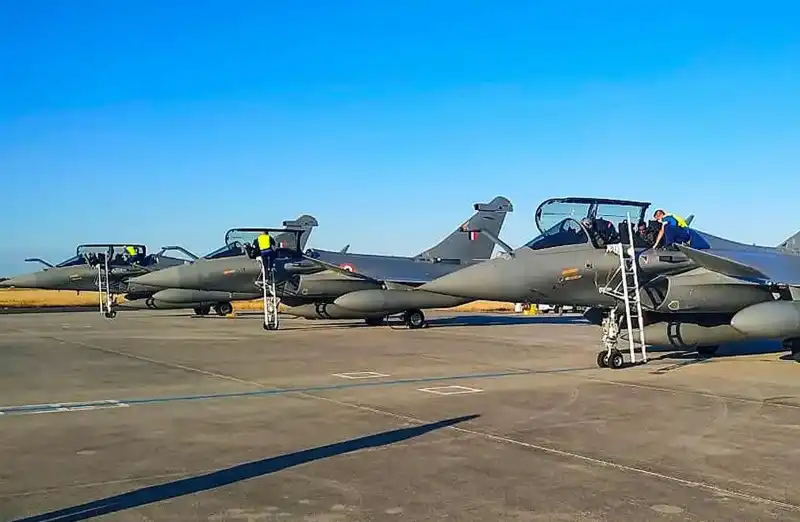
Meanwhile, France’s Dassault Rafale, despite its battle-tested status and sleek design, comes with a hefty price tag—up to $100 million per unit. Its success in nations like India, UAE, Egypt, and Indonesia is notable, yet China is steadily slicing into this premium market with cheaper, newer offerings.
Similarly, the American F-35, although technologically unmatched, remains politically and economically out of reach for many nations. For example:
- The UAE backed out of an F-35 deal in 2021 over U.S. restrictions, turning instead to France for Rafales.
- Saudi Arabia, after years of lobbying, only secured potential approval in late 2025, with no formal contract yet.
This vacuum has become fertile ground for China. Its platforms are 40–60% cheaper, and deals come without strings like technology transfer limits, end-use monitoring, or alignment with U.S. foreign policy.
J-10C vs Rafale: A Tactical Controversy
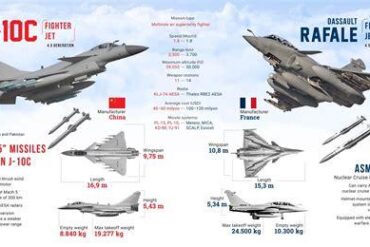
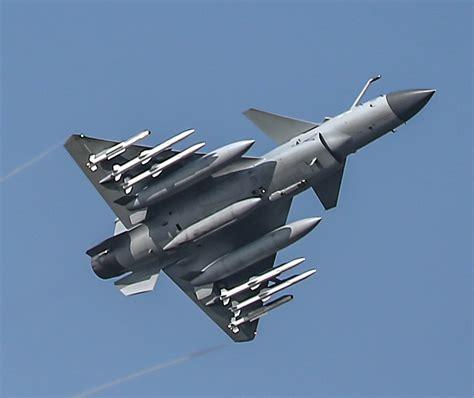
China has aggressively marketed the J-10C as a Rafale-killer, especially following the Indo-Pak conflict in May 2025. Islamabad claimed its J-10Cs—armed with long-range PL-15 air-to-air missiles—successfully neutralized multiple Indian Rafales in beyond-visual-range (BVR) combat.
India, however, disputed these claims, admitting only one Rafale loss to a technical failure. Still, China has leveraged this unverified narrative to position the J-10C as a combat-proven alternative to Western fighters.
Beijing’s marketing pitch now frequently includes:
- $40–50 million per unit pricing
- Extended range and radar-evading PL-15 missile
- Active Electronically Scanned Array (AESA) radar systems
- Streamlined procurement timelines
These features, combined with China’s proven ability to deliver quickly, make the J-10C highly attractive to countries with aging fleets or strained budgets.
Sixth-Generation Ambitions: The J-36 and J-50
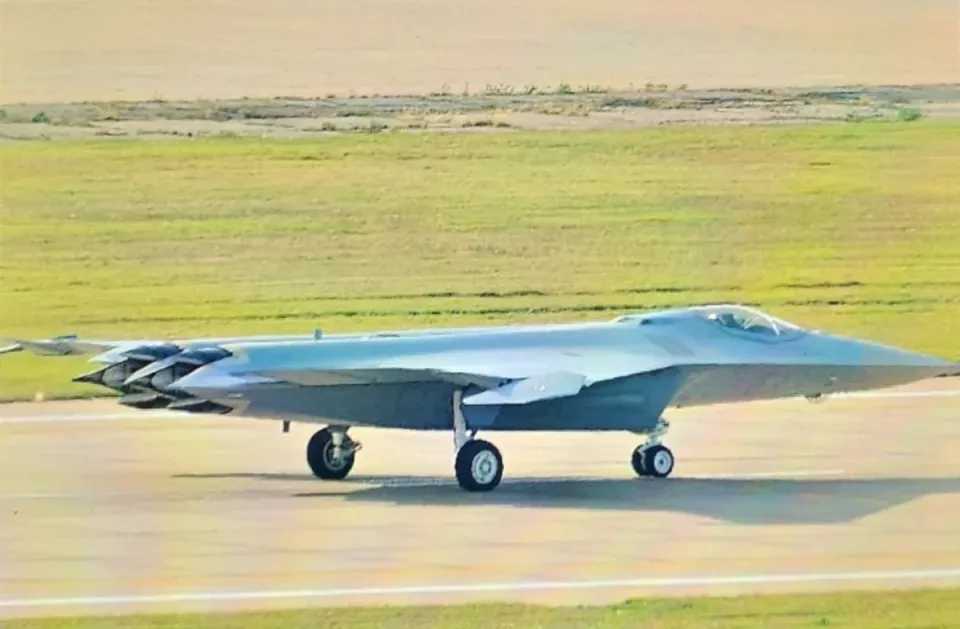
While export success for its current fighters is gradually building, China is already developing next-generation platforms. The J-36 and J-50—both sixth-generation prototypes—have taken to the skies in early trials. Although little is publicly known, these aircraft are expected to include:
- Advanced stealth profiles
- Manned-unmanned teaming (MUM-T) capabilities
- Hypersonic weapon integration
- Artificial Intelligence-assisted avionics
Such developments aim to future-proof China’s aerospace edge and further position it as a long-term competitor to Lockheed Martin and Dassault.
Filling the Russian Vacuum
Russia’s invasion of Ukraine and subsequent sanctions have severely impacted its defense exports. The once-prized Su-35 and Su-57 programs have suffered production setbacks and reputational damage. Algeria is the only known interested buyer for the Su-57, and even that deal remains unclear.
As former Russian customers—Egypt, Indonesia, Vietnam, and others—seek alternatives, China has stepped in with timely, affordable solutions. The avoidance of CAATSA restrictions further sweetens these deals.
In one case, Egypt dropped plans to procure Russian Su-35s under U.S. pressure, pivoting instead toward the J-10C, which fits within the same mission profile while dodging the geopolitical baggage.
Conclusion: The Rise of a Silent Giant
China may not yet have the brand prestige of the F-35 or the combat laurels of the Rafale, but it is shaping the battlefield of commerce, not just war. Its growing influence stems from a blend of technological progression, export agility, and political neutrality.
Whereas the U.S. still reigns as the top exporter and France climbs with Rafale revenues, China is systematically planting seeds in key markets—from Africa to the Middle East, South Asia to Southeast Asia. These regions, long underserved or politically alienated by Western suppliers, now see China as a viable partner.
As 2026 approaches, the key question remains: Can China convert interest into influence—and influence into dominance? The next few years will determine whether the dragon merely stirs, or takes full flight across the world’s skies.