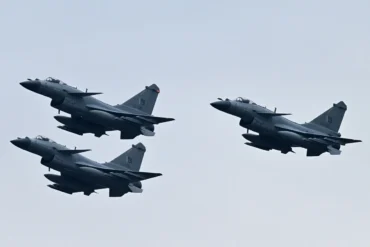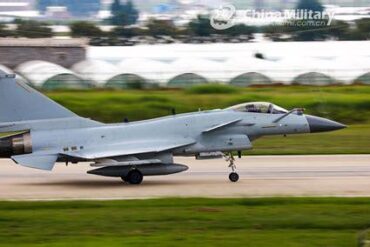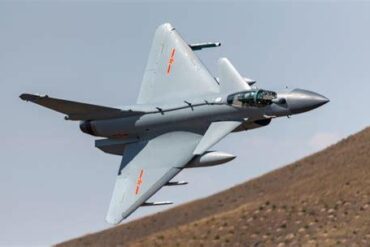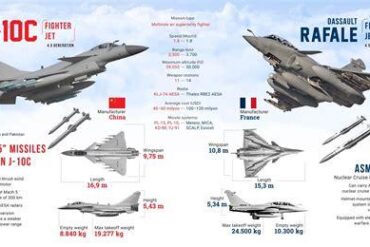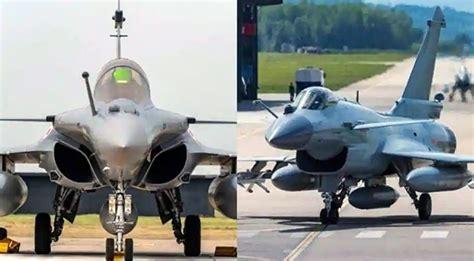
In the shadowy margins of South Asia’s most volatile flashpoint, China’s state media and military bloggers have stirred a digital storm, hailing what they describe as a “triumph” of the Chinese-made J-10C fighters over India’s Rafale jets. At the center of this unverified yet widely circulated narrative is Pakistan’s assertion that its newly acquired J-10C jets shot down five Indian aircraft, including three Dassault Rafales, during a retaliatory air engagement that allegedly followed India’s Operation Sindoor.
The Indian government has yet to confirm any such losses, and Pakistan has provided no verifiable evidence. Yet, Chinese outlets have seized upon the claims, painting them as a watershed moment for the J-10C and China’s military aviation exports.
Operation Sindoor and the Spark of Escalation
According to statements made by Pakistani Foreign Minister Ishaq Dar in the National Assembly, the events began with an Indian air raid targeting terror training camps in Pakistan following the Pahalgam terror attack. In response, Pakistan scrambled its J-10C fighters under strict orders: engage only those Indian aircraft that released payloads.
Dar claimed that five Indian fighter jets were taken down, a dramatic escalation that, if true, would be among the most significant air combat losses for India in decades. Notably, the Dassault Rafale, India’s most advanced fighter jet, was cited as one of the primary casualties.
The J-10C: A Rising Star in Chinese Military Export Strategy
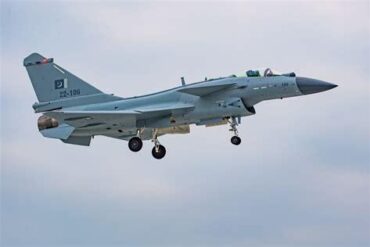
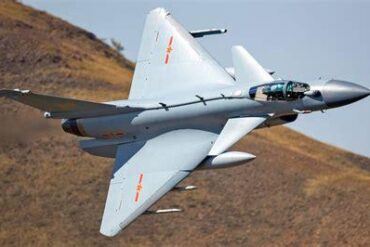
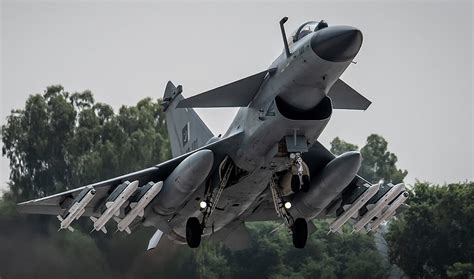
For China, the alleged success of the J-10C multirole fighter has turned into a public relations windfall. Manufactured by Chengdu Aircraft Industry Group, the J-10C represents China’s vision of a fourth-generation+ combat platform, boasting a modern AESA radar, electronic warfare (EW) capabilities, and compatibility with advanced weapons like the PL-15E beyond-visual-range air-to-air missile.
Chinese military bloggers and commentators—amplified by platforms like Sohu and Global Times—have been quick to proclaim that the J-10C outperformed the French-made Rafale, particularly through superior electronic jamming and detection systems. One widely circulated blog post even alleged that the PAF disabled Rafale radars before launching fatal BVR missiles.

Conflicting Technical Capabilities and Disputed Data
Such claims, however, are challenged by independent defense analysts and open-source data. The Rafale’s Thales RBE2 AESA radar reportedly offers a detection range of over 200–240 km, compared to the 120–200 km detection envelope attributed to the J-10CP’s radar.
Moreover, the Rafale’s SPECTRA EW suite is among the most advanced in service globally, providing a comprehensive self-protection package. While the PL-15E missile’s range—estimated at 150 km—does offer reach in BVR combat, its performance against EW-shielded and maneuverable targets like the Rafale remains speculative without telemetry, radar logs, or flight recordings.
Chinese Media’s Role and Geopolitical Messaging
Chinese state-affiliated media outlets, including Global Times, have given the Pakistani claims a wide platform. This coverage aligns with Beijing’s broader geopolitical objectives—supporting Pakistan while promoting Chinese military hardware as superior alternatives to Western platforms.
After the Indian embassy in Beijing called out the GT for propagating unverified narratives, the outlet nonetheless doubled down, quoting Dar’s statements extensively and reiterating that “J-10C fighters participated in the operation.”
This rhetoric is not merely aimed at regional audiences. China has aggressively marketed the J-10C for export, especially to countries like Uzbekistan and Egypt, both of which are considering the aircraft as part of modernization efforts. The narrative of a J-10C ‘victory’ over the Rafale thus serves a dual function: reinforcing Pakistan-China strategic ties and enhancing the aircraft’s profile in the competitive arms market.
Speculation and Media Manipulation
Adding fuel to the fire, images of aircraft wreckage and videos purportedly from Bathinda and Hoshiarpur emerged on social media, claiming to show the aftermath of the clash. One widely circulated image bore the serial number 001, allegedly belonging to India’s first Rafale EH. Fact-checkers later confirmed the image’s origin dates back to September 2024.
Likewise, footage claiming to depict a downed MiG-29 turned out to be archival material from an unrelated Barmer sector crash. India’s Press Information Bureau quickly debunked these assertions.
A separate report from a French intelligence source, anonymously quoted by CNN, added an ambiguous twist by seemingly validating that a Rafale may have been lost. While this statement fueled rumors, it lacked definitive corroboration. The Indian Air Force has issued no statement confirming or denying any losses from Operation Sindoor, keeping the waters deliberately murky.
Impact on Indian Defense Policy and Procurement Strategy
Despite the lack of hard evidence, the psychological and strategic implications of the claims are considerable. Hu Shisheng, a senior analyst from the China Institute of Modern International Relations, suggested that this incident might force India to reconsider its fighter acquisition roadmap, possibly pivoting toward American-made F-35s or intensifying efforts in developing sixth-generation fighters.
Indian defense experts, however, remain skeptical. They argue that Islamabad’s failure to provide even basic combat data—such as radar logs, cockpit audio, or satellite imagery—undermines its credibility. According to retired Air Marshal Anil Chopra, “The absence of telemetry or visual evidence makes this a textbook case of psychological warfare.”
Market Reactions: Winners and Losers
Amid the swirling reports, stock market reactions were swift and telling. Shares of Avic Chengdu Aircraft Co. Ltd., the manufacturer of the J-10C, rose by over 36% within two trading sessions. Conversely, Dassault Aviation, the French firm behind the Rafale, saw a dip between 1.64% and 5%. This shows how even unverified reports can influence defense market sentiment, investor perception, and arms diplomacy.
Strategic Motivations and Information Warfare
There is little doubt that these claims serve Beijing and Islamabad’s strategic calculus. For Pakistan, the J-10C’s alleged effectiveness offers political and military prestige, reinforcing the rationale behind its shift from American F-16s to Chinese hardware. For China, the episode is a propaganda victory and a marketing tool in arms negotiations across Asia and Africa.
China and Pakistan’s close defense cooperation, dubbed an “Iron Brotherhood” by state commentators, is underpinned by shared interests in countering Indian dominance. The portrayal of the J-10C as a Rafale-killer feeds into this axis, regardless of verifiable outcomes.
Conclusion: A War of Words, Not Missiles
While the dust from this alleged dogfight has yet to settle, one truth is undeniable: the narrative has taken on a life of its own, shaped more by propaganda and perception than confirmed aerial victories. Until Pakistan provides hard evidence—wreckage, telemetry data, or authenticated pilot accounts—the story of the J-10C downing Rafales remains an unverified tale cloaked in strategic spin.
Still, the celebration in Chinese media reflects a broader objective: to validate the J-10C’s combat prowess, challenge the Western arms ecosystem, and bolster the China-Pakistan military alliance. Whether or not a Rafale was truly downed, the information battlefield has already seen significant action—and China is claiming the high ground.