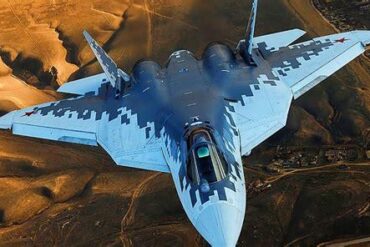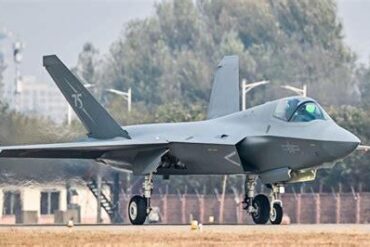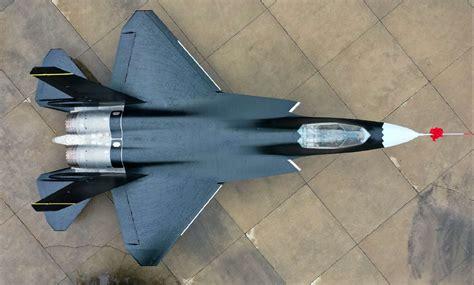
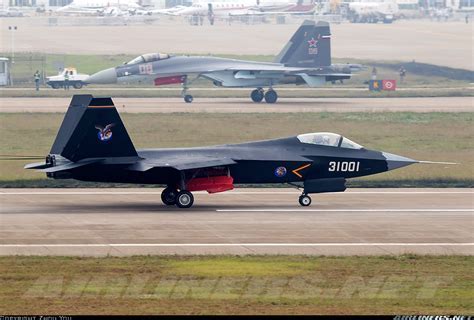
The Pakistan Air Force (PAF) is ramping up its combat readiness by training pilots on the advanced Shenyang FC-31, also known as the J-31, a fifth-generation stealth multirole fighter developed by the Shenyang Aircraft Corporation (SAC) in collaboration with the Aviation Industry Corporation of China (AVIC). This move, first reported by BOL News on July 30, 2024, and later echoed by Raad on August 1, 2024, marks a significant step in Pakistan’s efforts to modernize its air fleet and maintain strategic balance in the region, especially in the face of India’s increasing air capabilities.
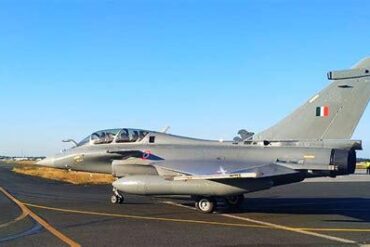
The J-31, often referred to as the FC-31 Gyrfalcon or J-35 in its naval variant, is part of a broader initiative by the PAF to counter India’s recent acquisition of the French-made Rafale jets. This acquisition reflects a deepening military cooperation between Pakistan and China, aimed at maintaining a technological edge in the volatile South Asian strategic environment.
The Strategic Rationale Behind the J-31 Induction
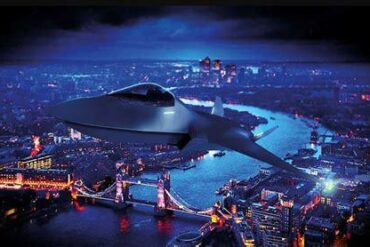
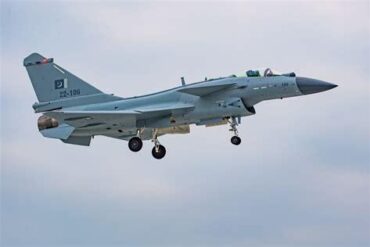
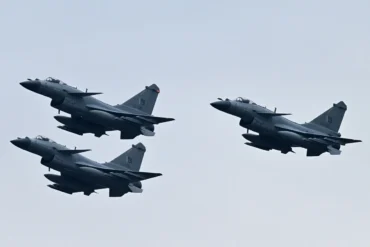
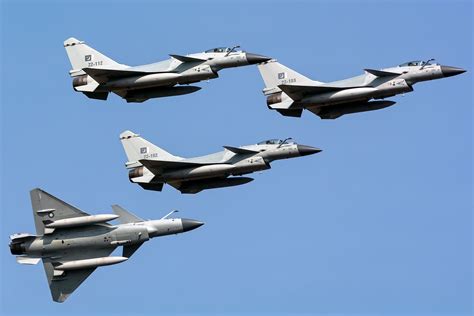
The induction of the J-31 is a critical component of Pakistan’s military strategy, aimed at securing air superiority and countering India’s formidable Rafale fleet. This decision reflects Pakistan’s longstanding reliance on Chinese military technology, including platforms like the JF-17 Block III and J-10C jets, alongside advanced radar and missile systems. The PAF’s modernization efforts are driven by the need to close the technological gap with the Indian Air Force (IAF), which has invested heavily in state-of-the-art platforms like the Tejas and Rafale, bolstered by S-400 air defense systems.
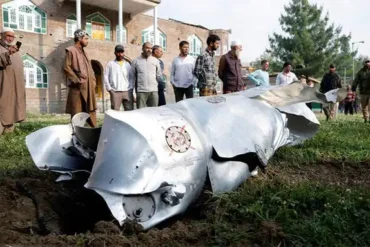
The rivalry between the PAF and IAF is rooted in a series of historical conflicts, including the 2019 aerial skirmishes over Kashmir, where Pakistan’s use of the JF-17 showcased its commitment to maintaining a credible air deterrent. With the J-31, Pakistan aims to enhance its air dominance capabilities through a combination of stealth, advanced avionics, and precision strike potential.
Key Features of the J-31 Stealth Fighter
The J-31 represents a significant leap in Pakistan’s air combat capabilities, offering advanced features that include:
- Stealth Design: Reduced radar cross-section with stealth-optimized airframe.
- High Maneuverability: Aerodynamic refinements for superior dogfighting capabilities.
- Advanced Avionics: State-of-the-art sensors and integrated data links for enhanced situational awareness.
- Multirole Flexibility: Capable of performing air-to-air, air-to-ground, and electronic warfare missions.
- High Payload Capacity: Internal and external hardpoints for a wide range of munitions.
Comparing the J-31 and Rafale
While the Rafale has proven its mettle in numerous combat operations globally, the J-31 is still refining its capabilities. The Rafale, a 4.5-generation multirole fighter developed by Dassault Aviation, offers a battle-tested platform with extensive operational history, including missions in Libya, Mali, and the Middle East. In contrast, the J-31 represents a bold step into the fifth generation, offering enhanced stealth and modern avionics, though it remains untested in real-world combat.

Key comparative aspects include:
- Speed: J-31 can reach Mach 1.8, while the Rafale has a top speed of Mach 1.8 as well.
- Combat Radius: J-31 has a reported combat radius of 1,200 km, extendable to 1,900 km with refueling, while the Rafale offers a similar range.
- Weapon Load: J-31 can carry up to 8,000 kg of munitions, including air-to-air and air-to-ground weapons, while the Rafale’s payload is slightly more diverse, including nuclear-capable systems.
The Geopolitical Implications
The induction of the J-31 also signals a broader geopolitical shift. It underscores China’s role as a key defense supplier to Pakistan and highlights the deepening strategic alignment between the two countries. This partnership extends beyond just hardware, encompassing training, joint exercises, and shared technological developments aimed at countering India’s growing defense ties with the United States and Western Europe.
The J-31 program has not been without controversy. Allegations of industrial espionage have long shadowed its development, with some experts suggesting that the aircraft’s design may have been influenced by data obtained from the U.S. F-35 program. However, Chinese officials have consistently denied these claims, asserting that the J-31 is an indigenous platform.
Conclusion
As the PAF begins integrating the J-31 into its fleet, the regional air power dynamics are set for a significant shift. For Pakistan, the J-31 represents not just a technological upgrade, but a strategic asset in maintaining air superiority in a rapidly evolving military landscape. With its stealth capabilities, advanced avionics, and potential for carrier-based operations, the J-31 could play a pivotal role in Pakistan’s future air operations, particularly in high-stakes scenarios where air dominance is a critical factor.
Ultimately, the coming years will reveal whether the J-31 can fulfill its promise and become a true counter to India’s Rafale jets, reshaping the balance of power in one of the world’s most contested airspaces.