Indonesia’s arrival into the elite circle of Rafale operators marks more than a ceremonial handover of aircraft. It signals a calculated shift in regional airpower, industrial partnerships, and strategic alignment with France at a moment when aerial dominance is being redefined by sensors, data fusion, and long-range precision. As Jakarta inducts its first three Dassault-built jets, New Delhi is preparing a far larger expansion, seeking to add 114 more Rafales to its already formidable inventory.
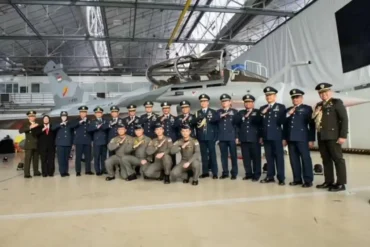
The first three Rafale fighters touched down in Indonesia on January 24, completing the initial phase of an $8.1 billion contract signed in 2022. Stationed at a military airbase in Pekanbaru, Sumatra, the aircraft are already cleared for operational use following full technical and administrative handover. Indonesian officials have framed the delivery as a cornerstone of air force modernization, replacing aging platforms and expanding multirole capabilities across the archipelago’s vast airspace.
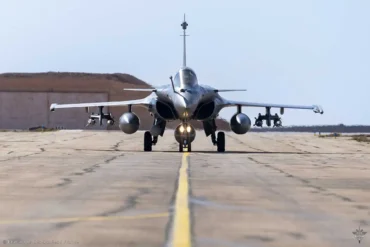
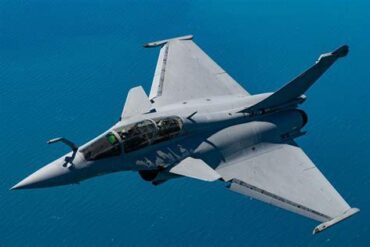
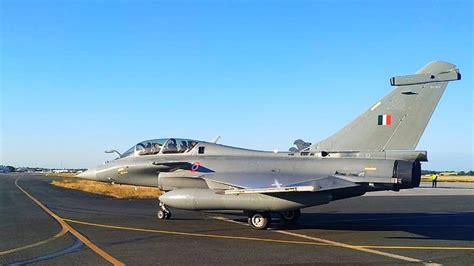
For Indonesia, the Rafale represents a leap in operational sophistication. The jet’s omnirole design, capable of air superiority, deep strike, reconnaissance, and nuclear deterrence missions, aligns neatly with Jakarta’s need for flexibility rather than sheer fleet size. Advanced AESA radar, Spectra electronic warfare systems, and network-centric combat features provide Indonesia with tools previously limited to a handful of regional powers.
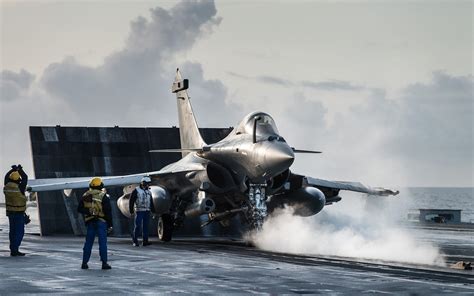
Indonesia’s Rafale Deal and Strategic Calculus
The broader agreement covers 42 aircraft, with deliveries staggered over several years. During President Emmanuel Macron’s visit to Jakarta, France and Indonesia also signed a letter of intent for potential additional purchases, underscoring Paris’s ambition to become Southeast Asia’s preferred high-end defense supplier. For Indonesia, the deal diversifies procurement away from reliance on any single power bloc while embedding long-term training, maintenance, and industrial cooperation.
The Rafale’s appeal lies not only in performance but in autonomy. Unlike some competitors, the aircraft comes without restrictive export conditions, allowing Indonesia to integrate weapons, tactics, and doctrines tailored to national priorities. This freedom has become a decisive factor as regional militaries seek independence in an increasingly polarized geopolitical environment.
France’s Global Push for Rafale Dominance
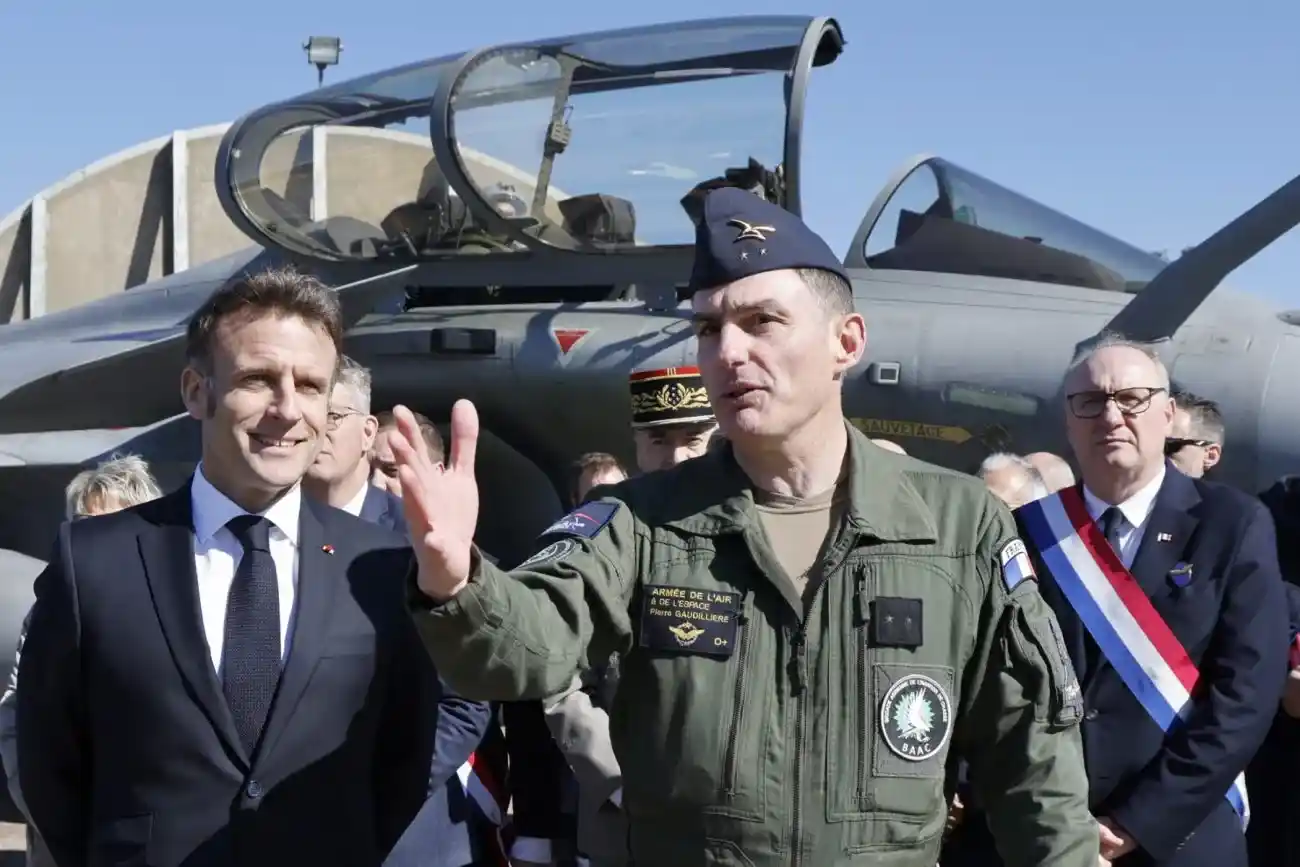
France’s Rafale diplomacy extends well beyond Southeast Asia. Paris has positioned the jet as a symbol of strategic sovereignty, marketing it to partners seeking advanced capability without political strings. The most striking example emerged with Ukraine, where a letter of intent outlines the possible acquisition of up to 100 Rafale fighters over a decade, alongside drones and interceptors.
President Macron has openly framed these deals as part of a broader effort to regenerate allied air forces in the shadow of Russia’s invasion of Ukraine. The Rafale, already battle-proven in Libya, Syria, and the Sahel, is presented as a platform capable of deterring future incursions through credible airpower and integrated strike options.
India’s Expanding Rafale Vision
India remains the Rafale program’s most strategically consequential customer. The Indian Air Force is pursuing 114 additional fighters under the Multi-Role Fighter Aircraft program, aiming to arrest declining squadron numbers while maintaining technological parity with regional rivals. The Rafale’s strong showing in Indian service, particularly its sensor fusion and long-range Meteor missile integration, has reinforced confidence in the platform.
In parallel, New Delhi signed a $7.6 billion agreement in April 2025 for 26 Rafale-Marine jets for the Indian Navy. With 95 percent commonality with air force variants, the naval Rafales promise seamless interoperability, shared logistics, and unified training pipelines across services.
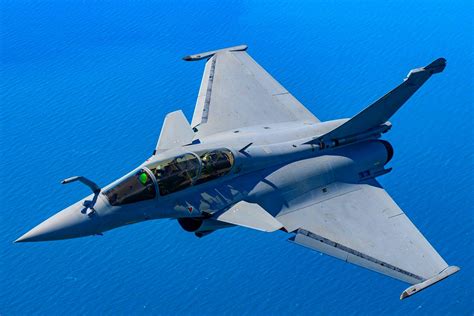
Controversy, Combat Claims, and Strategic Reality
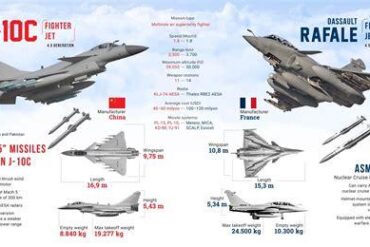
The Rafale’s reputation faced scrutiny during India’s brief May 2025 clash with Pakistan, when a technical malfunction reportedly led to the loss of an aircraft. Islamabad’s unverified claims of multiple shootdowns were amplified by Chinese promotion of the J-10C, highlighting how modern air combat narratives are shaped as much by information warfare as by facts.
Yet within professional air force circles, the Rafale’s standing remains intact. Losses due to technical anomalies are not uncommon in high-performance aviation, and India’s continued expansion plans suggest institutional confidence rather than doubt. In an era where airpower hinges on systems integration, training, and doctrine, the Rafale continues to be valued less as a single aircraft and more as a flying network.