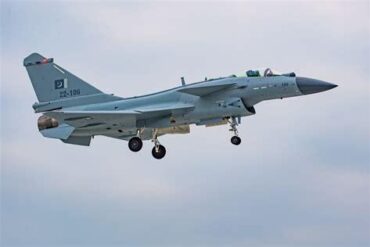
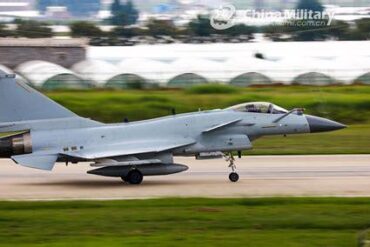
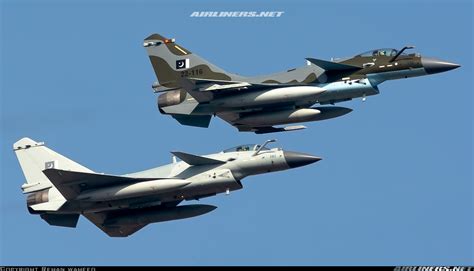
Iran is actively considering the procurement of Chinese Chengdu J-10CE fighter jets in a strategic move to modernize its long-neglected air force. This development follows high-level defense meetings in Beijing, where Iranian Defense Minister Aziz Nasirzadeh reportedly discussed potential arms deals with Chinese officials. The Chinese-built J-10CE, already a staple in Pakistan’s air fleet, has emerged as a prime candidate for Tehran’s urgent combat aviation renewal plan.
The urgency behind this potential acquisition lies in the deteriorating state of Iran’s current fighter fleet, much of which dates back to the 1970s and 1980s. Despite decades of embargoes, makeshift repairs, and domestic retrofitting, the Iranian Air Force is no longer capable of meeting the strategic demands posed by regional threats, particularly from adversaries such as Israel and the United States.
J-10CE: China’s 4++ Generation Workhorse
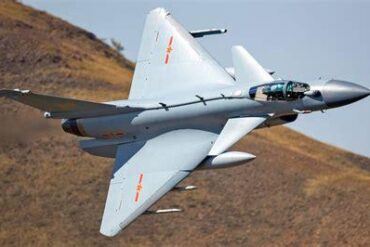
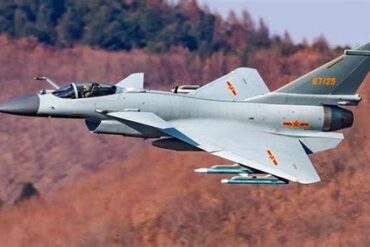
The J-10CE is a modern multi-role fighter aircraft developed by the Chengdu Aircraft Industry Group. It represents one of China’s most mature and exported fighter platforms, boasting advanced avionics and weapons systems that rival Western 4.5-generation aircraft.
Equipped with a KLJ-7A active electronically scanned array (AESA) radar and armed with PL-15 long-range air-to-air missiles, the J-10CE has already proven its effectiveness in service with the Pakistan Air Force (PAF). In regional air exercises and simulations, the J-10CE has reportedly achieved air superiority against Indian Dassault Rafale F3R fighters—an important benchmark, as Tehran considers performance parity with regional foes.
Iran’s Fading Air Superiority: A Crisis in the Sky
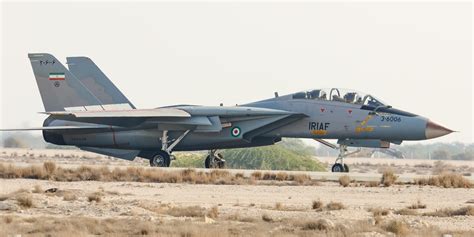
Iran’s current air fleet tells a story of stagnation and attrition. Despite its historical ingenuity in maintaining an isolated air force, including operating complex aircraft like the F-14A Tomcat for over four decades without U.S. support, the cracks are now impossible to ignore. According to the World Directory of Modern Military Warships, Iran’s air force includes:
- 63 F-4D/E/RF Phantom IIs
- 41 F-14A/AM Tomcats
- 35 F-5E Tigers
- 23 Su-24MKs
- 18 MiG-29As
- 17 F-7s
- 12 Mirage F1EQs
Iran also fields limited numbers of domestically developed fighters such as the Kowsar, Azarakhsh, and Saeqeh, along with Russian-made YAK-130 trainers, but none of these aircraft possess the modern sensor or weapon integration needed for 21st-century air dominance.
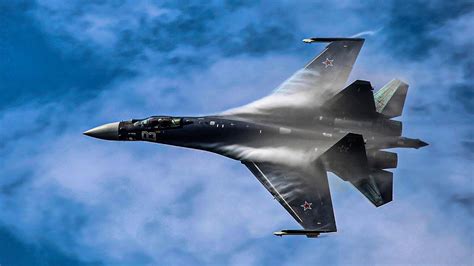
Su-35 Delays: A Vacuum Filled by Beijing
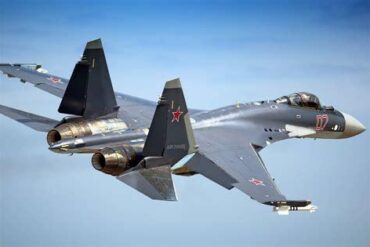
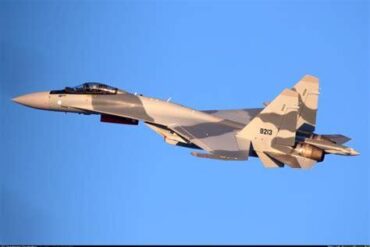
Originally, Iran had turned to Russia’s Su-35 fighters to fill the same role now eyed for the J-10C. However, the Su-35 deal has become mired in uncertainty. Iranian officials announced a finalized contract as early as late 2023, with expectations for 24 aircraft, but conflicting reports and Iranian state media denials have since muddied the waters.
In January 2025, IRGC Commander Ali Shadmani publicly claimed Su-35s had been purchased, yet offered no delivery timelines or operational plans. The lack of follow-through is widely attributed to Russia’s own military constraints as it remains embroiled in high-tempo operations against NATO-aligned forces in Eastern Europe.
The Strategic Logic Behind the J-10C Pivot
Iran’s renewed interest in Chinese fighters is not merely reactive. There is compelling operational logic behind pivoting toward the J-10CE. The platform offers:
- Rapid acquisition timelines, already proven in Pakistan
- Lower dependency on Russian logistics amid supply chain instability
- Strategic alignment with China, which increasingly positions itself as a counterweight to U.S. and Western influence
Moreover, integrating the J-10C could offer synergistic benefits with Iran’s ground-based air defenses, many of which already utilize Chinese or domestically reverse-engineered systems. Enhanced sensor fusion between aircraft and SAM systems could radically improve Iran’s defensive envelope, especially near critical sites such as Fordow or Natanz.
Air Parity Debates: Can Iran Operate Modern Fighters Effectively?
Critics argue that Iran lacks the training infrastructure, logistical support, and doctrinal experience to transition effectively to modern airframes like the J-10C or Su-35. Some estimates suggest it would take a decade and at least 100–300 aircraft for Iran to achieve even basic regional air parity.
However, these assessments may underestimate Iran’s capabilities. Military Watch Magazine contends that Iran’s experience maintaining advanced fighters under sanctions gives it a uniquely resilient air force culture. For example, India’s transition from the MiG-29 to Su-30MKI—a far more complex jet—occurred in under two years.
Limited Numbers, Asymmetric Impact
Even if Iran acquires only a dozen or two J-10CEs, the impact on regional air dynamics could be significant. With their PL-15 missiles exceeding ranges of 200km and their stealth-reduced airframes, these jets would immediately elevate Iran’s threat posture against reconnaissance and support aircraft, particularly Israeli aerial refueling tankers.
Forcing Israeli F-35s into air superiority roles would also compromise their strike capability—a subtle but important shift in the airpower calculus. Additionally, forward-deployed J-10CEs could enhance Iran’s integrated air defense network, making pre-emptive strikes on Iranian infrastructure riskier and more complicated.
A Post-Embargo Paradox: Time Lost, Threats Gained
When the U.N. arms embargo on Iran expired in 2020, many expected a rapid modernization of Iran’s air force. Yet nearly five years later, the skies over Iran remain dominated by legacy aircraft that were already nearing obsolescence during the Gulf War era.
Analysts suggest Iran’s delay has already cost more than the $3–5 billion price tag that might have secured a fleet of modern multi-role fighters. The costs have instead manifested in strategic vulnerability, operational stagnation, and missed opportunities for deterrence.
Iran now faces a critical juncture. The decision to pursue the J-10CE, if finalized, will not only be a military purchase—it will be a strategic realignment. As China and Russia increasingly challenge the Western-led global order, Iran’s choice of fighter jet will speak volumes about its future alliances, doctrine, and ambitions.
Conclusion: Fighter Jets as Strategic Currency
The J-10CE offer represents more than a technological upgrade for Iran—it’s a test of strategic urgency and political will. With the Su-35s indefinitely delayed and domestic aircraft projects unable to fill the void, Chinese fighters could be the key to preventing a rapid decline in Iran’s air combat capability.
Whether this shift will materialize in signed contracts and deliveries remains to be seen. However, one thing is clear: the skies over the Middle East are changing, and Tehran’s next move will shape the aerial battlespace for years to come.